Senior Editor: Alan Agbele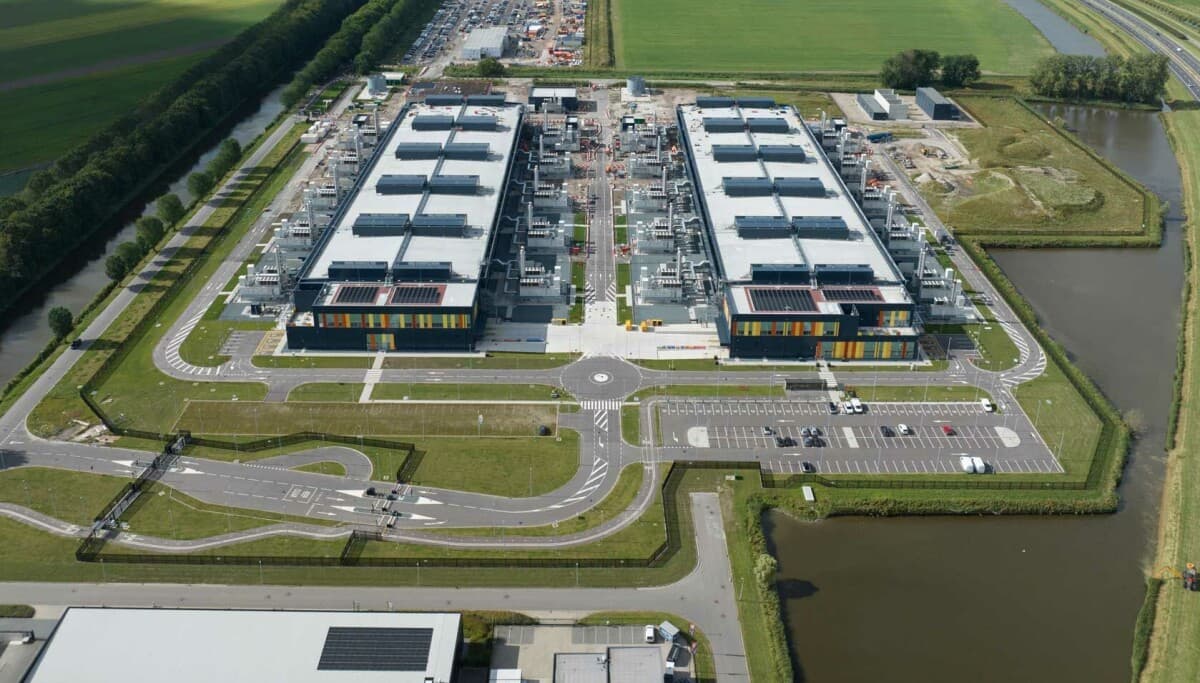
Irish datacenters now consume nearly a quarter of the nation's electricity, a record high that underscores the tension between digital expansion and energy infrastructure. The country's grid, once built for modest industrial demand, now faces structural strain from server farms powering global cloud computing.
Energy Demand Outpaces Supply
The Irish electricity grid reported that datacenters accounted for 23% of total power consumption in 2024, up from 18% the prior year. That share exceeds the combined electricity use of all urban homes in the country. Grid operator EirGrid projects that datacenters could consume 30% of national supply by 2027 if current growth rates hold.
Several technology companies including Google, Microsoft and Amazon operate large server farms across Ireland. These facilities require continuous high-voltage power for computing and cooling. The concentration of demand in a small network creates vulnerability during peak hours or generation shortfalls.
Key factors driving the surge include:
Policy Tradeoffs Emerge
The Irish government faces a difficult balancing act. Datacenters generate significant corporate tax revenue and employment during construction. Yet they also consume power that could otherwise support housing, electrified transport or light industry. Environmental groups argue that approving new datacenters without corresponding renewable capacity undermines Ireland's climate targets.
In response, the Commission for Regulation of Utilities introduced a moratorium on new grid connections for datacenters in Dublin until 2028. The policy aims to force new facilities into regions with spare capacity or to require on-site generation. Some developers have responded by proposing gas-fired backup plants, which create their own emissions concerns.
Why This Matters
Ireland's experience signals a broader conflict between digital infrastructure and national energy systems. As artificial intelligence and streaming services drive explosive data demand, other countries will face similar choices. The Irish case shows that without coordinated planning between tech companies and grid operators, the carbon footprint of cloud computing shifts from the data center itself to the broader energy system. The outcome in Ireland will inform how regulators worldwide treat data center power requests, potentially reshaping where and how the industry builds.
A Template for Other Nations
The Irish data center boom offers a preview of tensions likely to repeat in other grid-constrained markets. Regulators in Singapore, the Netherlands and parts of the United States have already imposed restrictions on new facilities. The core question remains the same: should grid capacity serve industrial digital expansion or local residential and commercial needs?
One emerging solution involves requiring datacenters to participate in demand-response programs, where they voluntarily reduce power during peak times. Another approach would tie construction permits directly to the developer's investment in new renewable generation. Both ideas are under discussion in Irish policy circles and could become standard practice elsewhere.