Editor: Porcia Akua Holmes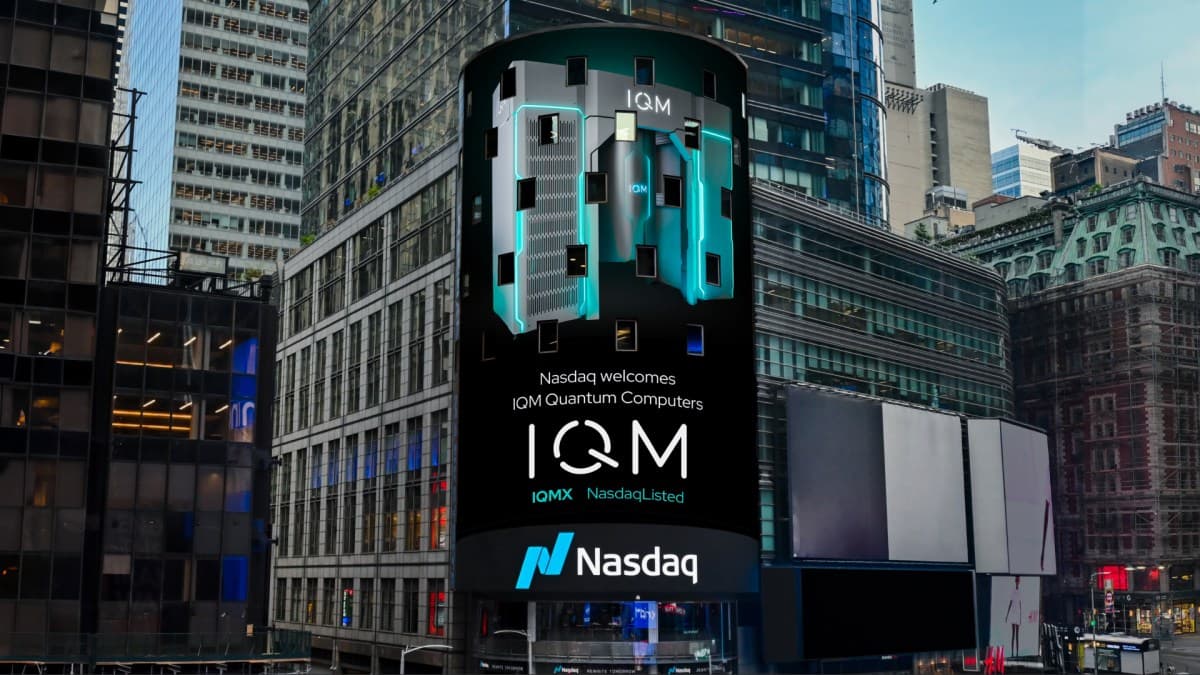
IQM, a Finnish quantum computing company, became the first European pure-play quantum firm to list on the Nasdaq on Tuesday, achieving a valuation of roughly $1.9 billion. The company's leadership, however, also warned that the commercialization path for quantum technology remains unclear.
The Nordic Quantum IPO
IQM, founded in 2018 in Espoo, Finland, went public through a direct listing on the Nasdaq. The company offers both quantum processors and a cloud platform for running quantum algorithms. Its $1.9 billion valuation places it among the most valuable deeptech startups in Europe. The listing follows similar moves by U.S. quantum companies such as IonQ and Rigetti but marks the first time a European quantum pure-play has reached public markets.
Raising capital through a public listing gives IQM access to a broader investor base and funding for its research and development pipeline. The company plans to use the proceeds to accelerate its roadmap toward fault-tolerant quantum computers, a goal that the entire industry is still chasing.
The Uncertainty Factor
IQM's leaders did not shy away from the risks. In statements tied to the listing, the company acknowledged that the timeline for achieving widespread quantum advantage remains highly uncertain. The technology faces several fundamental hurdles that could delay or limit its commercial impact. Among the key challenges:
These technical uncertainties mirror broader industry realities. Even as companies like IBM, Google and Quantinuum make progress, no firm has yet demonstrated a clear commercial advantage for quantum computing outside of niche research. IQM's public listing forces investors to weigh the long-term promise against the near-term unknowns.
Why This Matters
IQM's IPO provides a new public market vehicle for betting on quantum technology, but it also raises stakes for the entire sector. If IQM performs well, it could unlock more capital for European quantum startups and validate investor appetite for deep tech. If it struggles, it may cool enthusiasm for similar offerings. For companies already in the space, the listing creates a benchmark for valuation and performance. The European quantum ecosystem, which includes research institutions and startups like Pasqal and Alice & Bob, now has a public flagship. Yet the company's own cautious tone serves as a reminder that quantum computing remains a high risk, long term bet. The IPO marks a milestone, not a conclusion.