Senior Editor: Alan Agbele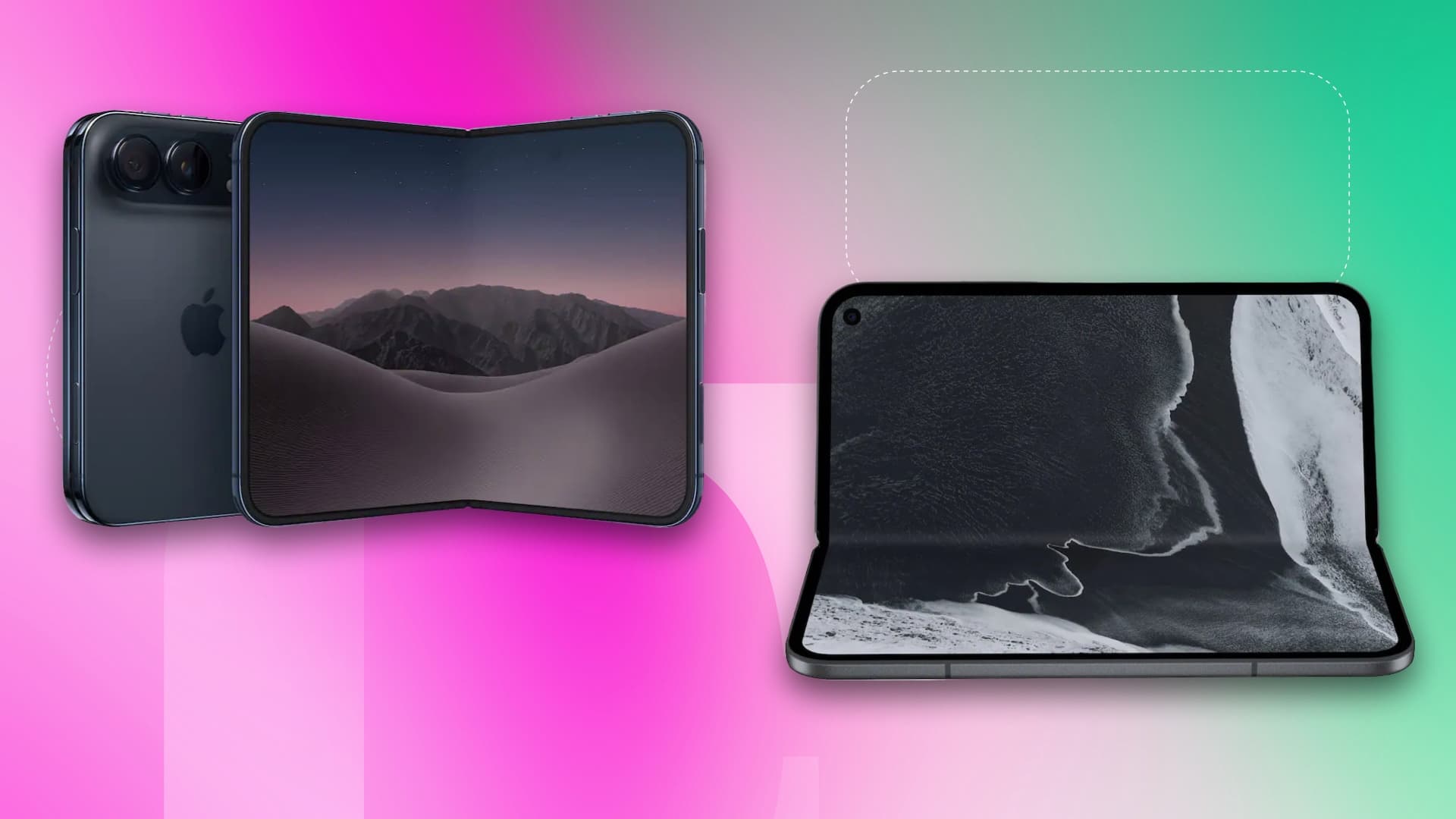
The rivalry between Apple and Google in the foldable phone market is heating up, with both companies reportedly prioritizing durability in their upcoming devices. The iPhone Duo, Apple's anticipated entry into the foldable space, is set to square off against Google's Pixel 11 Pro Fold, a device that has already made waves with its robust hinge design and water resistance. This competition marks a turning point for consumers who have long hesitated to adopt foldables due to fragility concerns. The Durable Foldables Face Off is not just about specs; it reflects a broader industry push to make bendable screens a mainstream reality.
Design and Durability Features
Apple and Google have taken distinct approaches to making their foldables tough. The iPhone Duo is said to employ a clamshell design with a hidden hinge mechanism that reduces dust ingress. The Pixel 11 Pro Fold, meanwhile, builds on Google's previous generation with a wider opening angle and a stainless steel frame. Both companies claim their devices can survive over 200,000 folds, a threshold that matches or exceeds Samsung's current standards.
Why This Matters
The success of the iPhone Duo and Pixel 11 Pro Fold will determine whether foldable phones can finally win over everyday users. Early adopters have faced screen creases and hinge failures, but these new models aim to solve those problems. If Apple and Google deliver on durability promises, they could accelerate the decline of traditional slab phones. For consumers, the immediate impact is more choice in a premium price segment, with both devices expected to start around $1,700. The real question is whether improved hardware is enough to justify a premium over non-folding flagship phones.
Market Implications
The foldable market has been dominated by Samsung, but the entry of Apple and Google could reshape the landscape. The iPhone Duo benefits from Apple's ecosystem lock-in, while the Pixel 11 Pro Fold offers tighter integration with Google's AI and camera software. Analysts predict that combined shipments for these two devices could reach 15 million units in their first year, representing a significant share of the premium smartphone market. This competition will likely push all manufacturers to invest more in hinge research and screen protection, ultimately benefiting consumers with more reliable devices.
The Durable Foldables Face Off is more than a marketing showdown. It signals a maturation of the technology that could finally make foldable screens a practical choice for daily use. Whether you prefer iOS or Android, the progress in durability is a welcome development for anyone tired of handling delicate glass slabs.