 Senior Editor: Alan Agbele
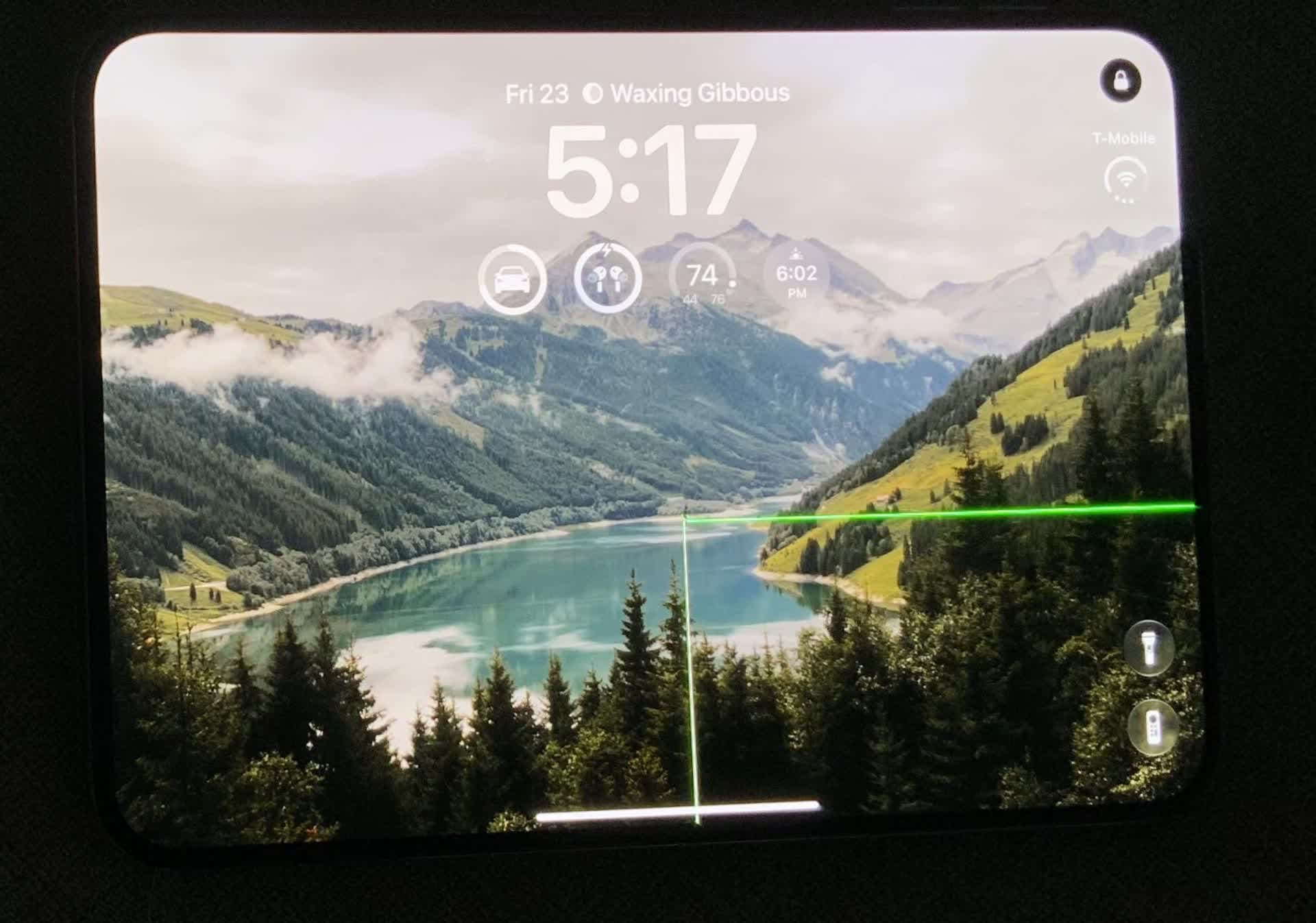
Multiple iPhone Duo owners are reporting cracked screens in the same L-shaped pattern, with the damage appearing near the hinge rather than at the fold itself. The reports, concentrated on the iPhone Duo subreddit, suggest a possible design or manufacturing issue affecting Apple's $2,000 foldable.
The Pattern Behind the Cracks
The cracks are not random. Owners describe an L-shaped fracture that starts near the hinge and extends across the display, a pattern that points to stress concentration at a specific point in the foldable's chassis.
That consistency matters. Random drops produce random damage. Identical fractures across multiple devices suggest a design flaw, a manufacturing defect or a materials issue that affects a production batch.
Apple has not publicly commented on the reports. The company's silence leaves owners uncertain about whether the cracks are covered under warranty or treated as accidental damage.
Apple's Replacement Strategy Under Scrutiny
Some owners report that Apple has replaced cracked iPhone Duo units without charge, a response that suggests the company is aware of the issue. That generosity, however, may not last.
Replacement policies often tighten once a company completes its initial investigation. If Apple determines the cracks stem from user handling rather than a defect, free replacements could stop abruptly.
The stakes are high for a $2,000 device. A repair bill for a foldable display can run into the hundreds of dollars, and Apple has not published a repair pricing schedule for the iPhone Duo.
Why This Matters
The iPhone Duo is Apple's entry into the foldable market, a segment where durability has long been the central concern. If the L-shaped cracks prove widespread, they could undermine confidence in Apple's engineering and slow adoption of its most expensive iPhone.
Competitors are watching closely. Samsung, which has shipped foldables for years, has faced its own durability complaints. A high-profile defect in Apple's first foldable would give rivals a marketing opening and could push regulators to scrutinize foldable durability claims more closely.
For owners, the immediate question is whether to keep using the device normally or treat it as fragile. For Apple, the question is whether to issue a formal acknowledgment or manage the issue quietly through replacements.
What Owners Should Do Now
Owners who notice a hairline crack should document it immediately with photos and a timestamp. Early documentation strengthens a warranty claim if Apple later changes its replacement policy.
Avoid opening the device past its designed range and keep the hinge area free of debris. Small particles trapped near the hinge can accelerate stress fractures in foldable displays.
The Foldable Durability Question
Foldable phones have struggled with durability since their commercial debut. Early models from Samsung and Huawei faced screen failures, hinge problems and debris damage that led to costly recalls and redesigns.
Apple entered the category later, betting that its engineering could solve the durability problems that plagued first-generation foldables. The iPhone Duo's L-shaped cracks suggest that bet may not have paid off yet.
The broader foldable market depends on consumer trust. If early adopters report identical failures, the category's growth could stall, especially at premium price points where buyers expect flawless hardware.


