Senior Editor: Alan Agbele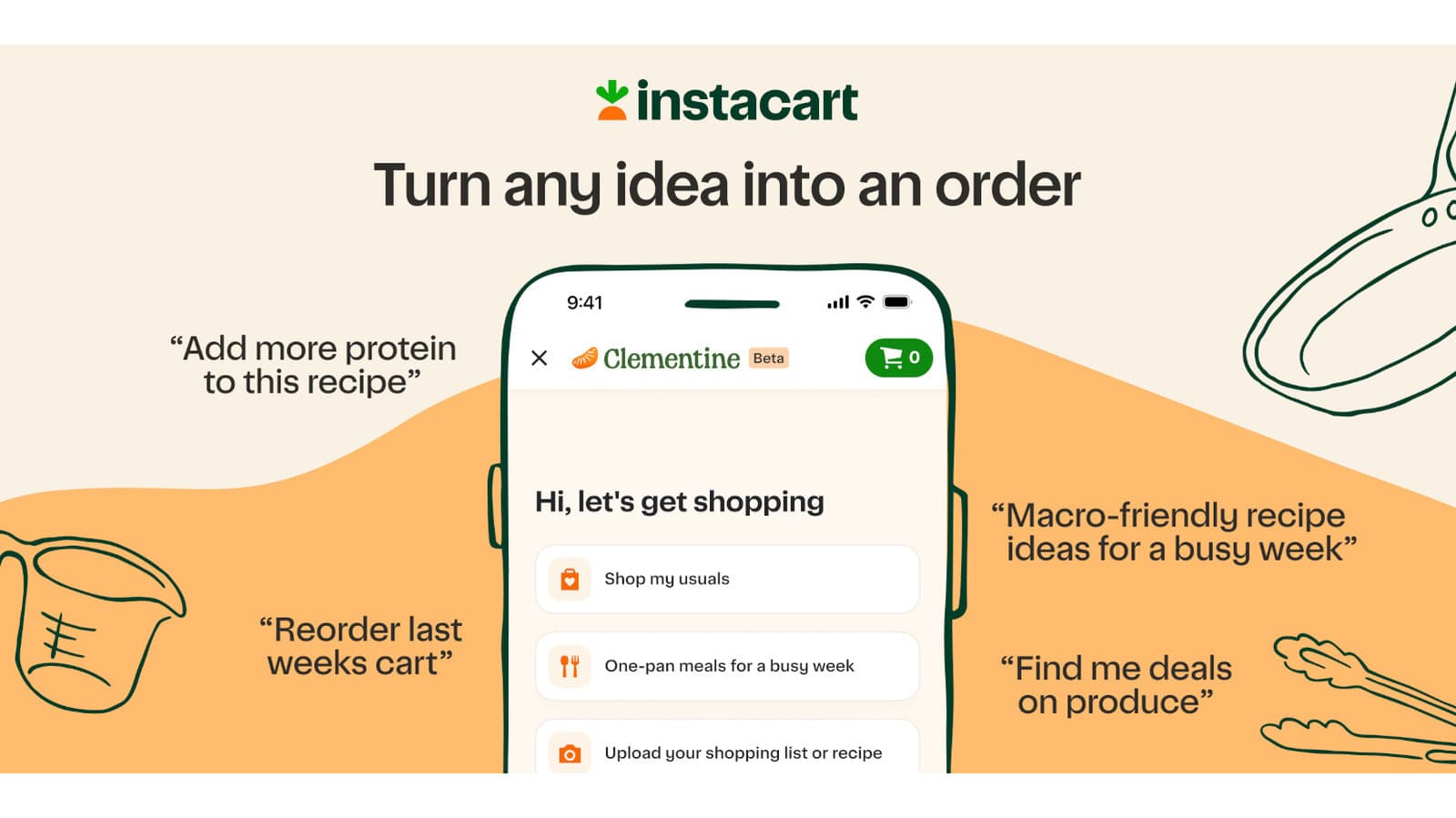
Instacart has released an artificial intelligence assistant called Clementine that helps users decide what to buy. The tool, now available within the Instacart app, is designed to make grocery planning faster and more personalized. Clementine can answer questions, suggest recipes and recommend products based on a shopper's preferences.
How Clementine Changes the Shopping Experience
Clementine responds to natural language queries such as "What should I make for dinner?" or "Find me a dairy-free dessert." The assistant taps into Instacart's inventory database and user purchase history to provide relevant options. It can also help users discover new brands and products they might not have considered.
The Broader AI Shopping Trend
Instacart is not alone in deploying generative AI for retail. Amazon has rolled out Rufus, a shopping assistant that answers product questions. Walmart has experimented with similar tools. The difference lies in integration: Clementine sits directly inside the grocery ordering flow, reducing the steps between decision and purchase.
Retail analysts see this as a natural extension of the shift to online grocery shopping. Customers increasingly expect intelligent recommendations that adapt to their habits. The challenge for Instacart will be maintaining accuracy while respecting user privacy.
Why This Matters
For shoppers, Clementine could reduce the time spent browsing aisles and comparing products. For Instacart, the assistant represents a strategic move to deepen user engagement and differentiate from competitors like Amazon Fresh and DoorDash. The broader implication is that AI assistants may become the default interface for online grocery shopping, reshaping how consumers interact with food brands and retailers. Data handling will be a key issue as these tools rely heavily on personal shopping history.
What Comes Next
Instacart has not disclosed specific adoption numbers for Clementine. The company, however, plans to expand the assistant's capabilities over time. Future updates may include voice support and integration with smart home devices. For now, the focus is on refining the recommendation engine and expanding the product knowledge base. The success of Clementine Instacart will depend on how well it balances helpfulness with autonomy, leaving the final purchasing decision in the hands of the user.