Editor: Porcia Akua Holmes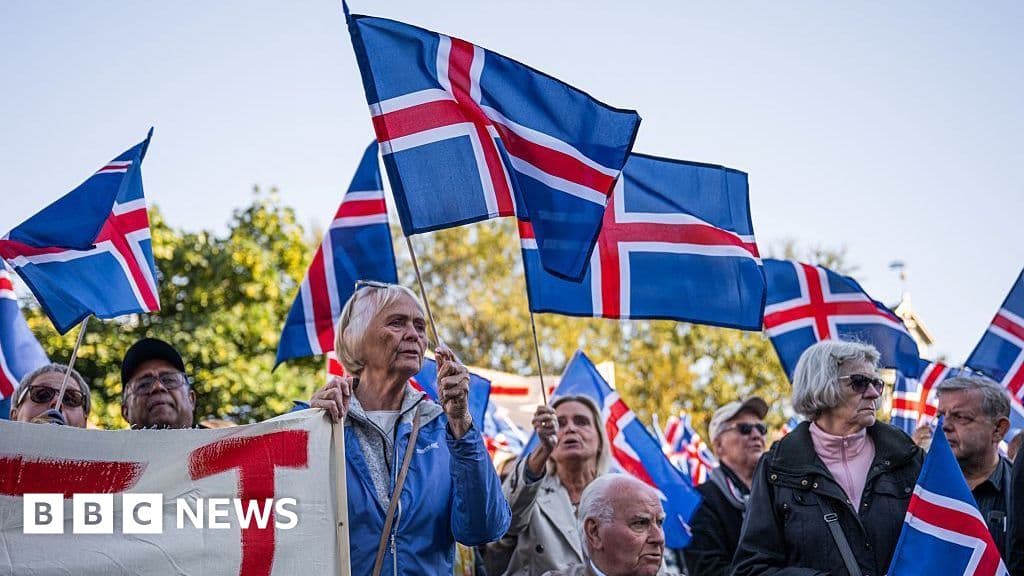
Iceland is holding a vote on whether to resume negotiations to join the European Union, a move that would bring significant changes to the country's technology landscape. The decision could reshape how digital services operate in the Nordic nation, forcing alignment with Brussels' expanding regulatory framework.
The EU's Digital Rulebook
Brussels has built a comprehensive set of regulations covering data privacy, content moderation and market competition. The Digital Services Act and Digital Markets Act impose strict rules on platforms like Google and Meta. Iceland, currently outside this framework, would need to implement these laws as a condition of membership.
For Icelandic tech companies, the change would be twofold. Smaller firms would face higher compliance costs, while larger data center operators might gain easier access to the single market. The balance between innovation and regulation remains a central tension.
Why This Matters
The vote represents more than a political pivot. For the tech industry, it determines whether Iceland becomes a regulatory outlier or a full participant in Europe's digital economy. Joining the EU would force local companies to meet standards that global giants already follow, potentially giving them a competitive edge in cross-border operations. At the same time, stricter rules could slow the growth of Iceland's cloud and data services sector, which has thrived on its flexible national policies.
Stakeholders at the Table
The outcome directly affects several groups:
What the Vote Means for Europe
Iceland's potential return to the negotiating table occurs as the EU pushes to standardize digital policy across its 27 members. A new member would add weight to arguments for uniform rules on artificial intelligence and online liability. Critics, however, worry that adding Iceland's small market to the mix would not significantly shift power dynamics but could slow future rule-making as Brussels accommodates another national voice.
The referendum itself is non-binding, but it sets the stage for formal talks. If approved, negotiations could take years, with digital policy emerging as a key sticking point. For now, all eyes are on Iceland's voters.