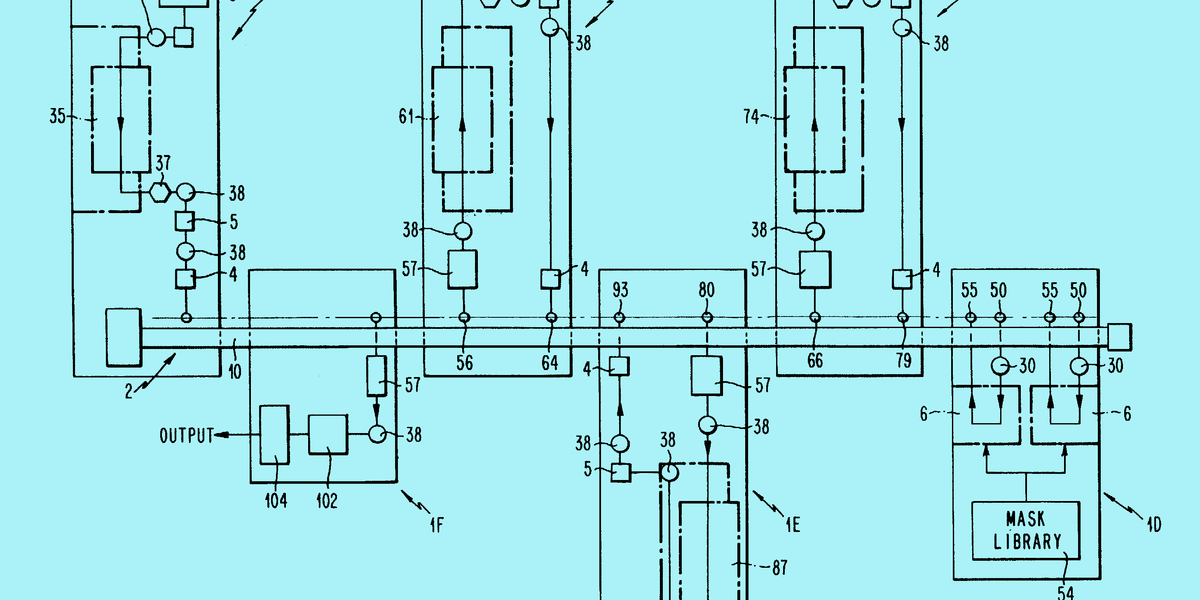
IBM has quietly claimed a pivotal role in the history of chip making. The company says it invented semiconductor manufacturing automation. That assertion, if widely accepted, would rewrite a key chapter of tech history.
The claim surfaced in a recent internal review of IBM's patents and engineering milestones. Engineers at the company developed systems that removed human hands from the production of silicon wafers. Those systems allowed chips to be made faster, with fewer defects.
The Innovation
In the 1960s and 1970s, most semiconductor fabrication relied on skilled technicians. Each wafer moved through dozens of manual steps. IBM's team built automated conveyors, robots and computer controls. They linked etching, doping and testing into a single continuous process.
The work took place at IBM's facilities in East Fishkill, New York, and Burlington, Vermont. The automation allowed the company to produce memory chips and processors at unprecedented scale. By the early 1980s, IBM's fabs ran with minimal human intervention.
Competitors took notice. Companies like Intel and Texas Instruments later adopted similar systems. The automation wave eventually gave rise to the contract chip manufacturers of Asia. Today, TSMC and Samsung operate fully automated factories that run around the clock.
Why This Matters
Semiconductor manufacturing automation directly affects every consumer of electronics. It determines the cost, quality and availability of chips. Without automation, modern laptops, phones and cars would cost far more and take much longer to produce.
The claim also matters for the ongoing debate about chip independence. The United States is investing billions to rebuild domestic fabrication capacity. Understanding who first automated those factories helps inform which technologies to revive or license.
IBM's legacy in chip manufacturing extends beyond automation. The company invented the single-transistor DRAM cell and introduced copper interconnects. But automation may be its most consequential contribution to volume production.
Legacy and Recognition
IBM never commercialized its automation systems as a separate product. Instead, the company used them internally to build mainframes and later servers. The patent portfolio covering those systems largely expired years ago.
Industry historians have often credited Japanese companies with pioneering factory automation in electronics. Sony and Panasonic automated assembly lines for consumer goods. But IBM's work happened earlier and targeted the most complex manufacturing process of the era.
The company has not pursued royalties or licensing fees for its automation patents. It has focused instead on current chip research, including quantum computing and 2-nanometer process technology. But the historical record, IBM argues, should reflect its role as the inventor of automated semiconductor production.