Senior Editor: Alan Agbele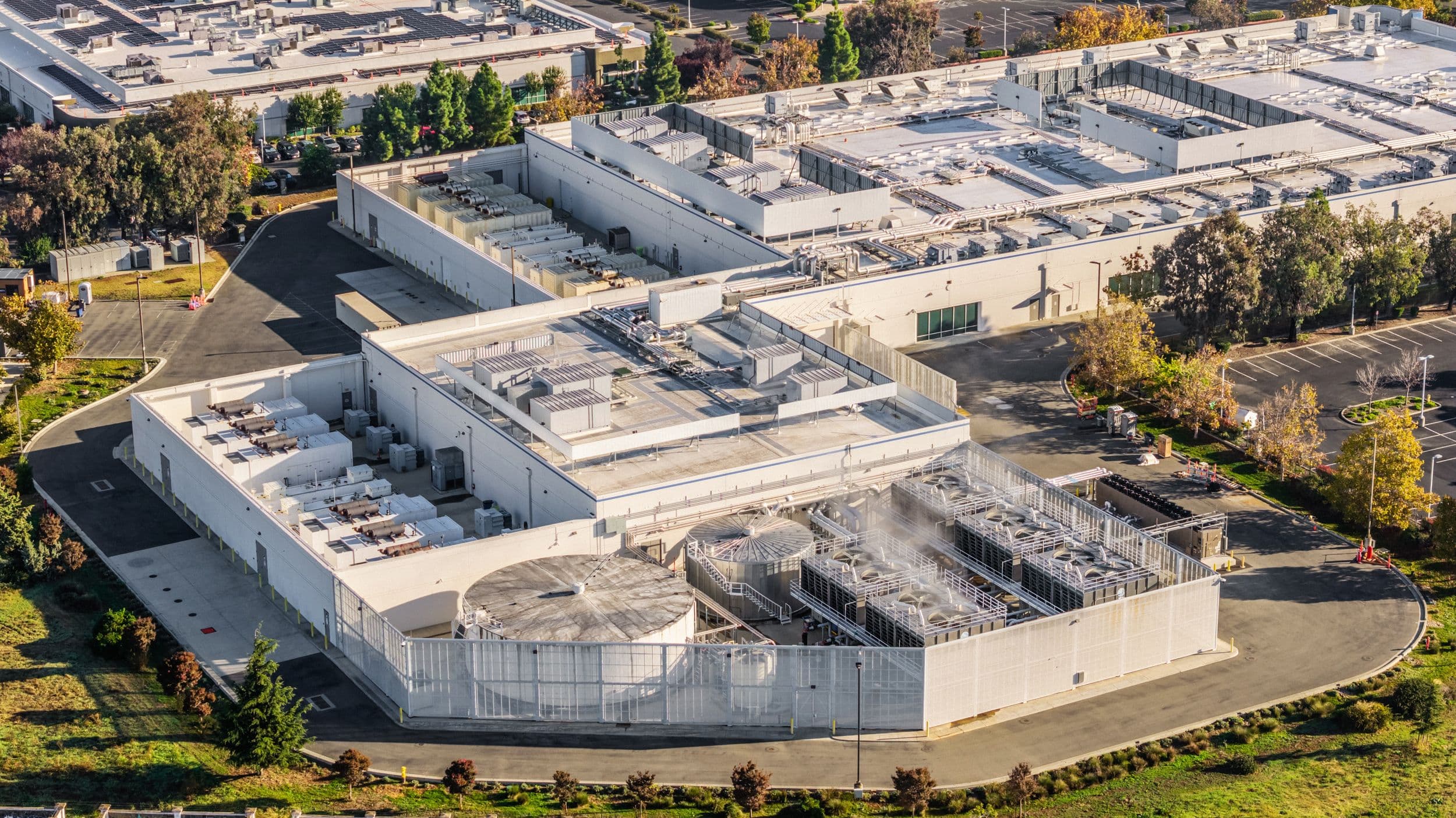
The rapid expansion of cloud computing and artificial intelligence is forcing a reckoning with a less visible resource: water. Google, Microsoft and other hyperscale data center operators are confronting growing scrutiny over their water usage as drought conditions intensify worldwide.
Data centers require vast amounts of water for cooling servers that generate enormous heat. In regions already struggling with water scarcity, this demand has drawn criticism from environmental groups and local communities. Operators are now racing to implement new technologies and strategies to reduce their water footprint.
Water Use Under the Microscope
Reports from environmental organizations have highlighted that a single large data center can consume millions of gallons of water each year. Much of this water is used for evaporative cooling systems, which pull water from local supplies and release it as vapor. In water stressed areas, that can strain municipal systems and exacerbate shortages.
Google has pledged to replenish 120% of the water it consumes by 2030. Microsoft aims to be water positive by the same year, meaning it will put back more water than it uses. Both companies have invested in water recycling and non potable water sources, but the scale of their operations makes progress challenging.
Why This Matters
The issue affects everyone who relies on cloud services, from streaming video to using AI tools. As demand for AI grows, so will the need for data centers. Without significant changes, water conflicts could slow infrastructure expansion or lead to stricter regulations. Communities near data centers are already pushing back against new construction permits. The outcome of these efforts will shape whether the tech industry can grow sustainably without harming local water supplies.
New Cooling Technologies Emerge
Operators are exploring alternatives to evaporative cooling. Liquid immersion cooling, where server components are submerged in non conductive fluid, can drastically cut water use. Some facilities are testing air cooling systems that use less water but require more energy. Others are locating data centers in cooler climates or near water reclamation plants to reduce freshwater consumption.
Microsoft recently announced a pilot program using recycled water from a nearby wastewater treatment facility for one of its data centers in Arizona. Google has deployed machine learning to optimize cooling schedules, reducing water usage by up to 30% at some facilities. These measures show progress, but they are not yet widespread across the industry.
Regulatory and Market Pressures Build
Governments are beginning to act. In the European Union, new rules require large data centers to report their environmental impact, including water use. Some U.S. states like Oregon and California are considering legislation that would mandate water efficiency standards for large facilities.
Investors are also paying attention. Shareholder resolutions have pushed companies to disclose water risks and set reduction targets. The financial sector views water scarcity as a material risk to data center operations and long term growth.
The tech industry’s water problem is not going away. But the combination of advanced cooling techniques, policy shifts and corporate commitments offers a path forward. How quickly those solutions scale will determine whether data centers can slake their thirst without draining the communities they serve.