Editor: Porcia Akua Holmes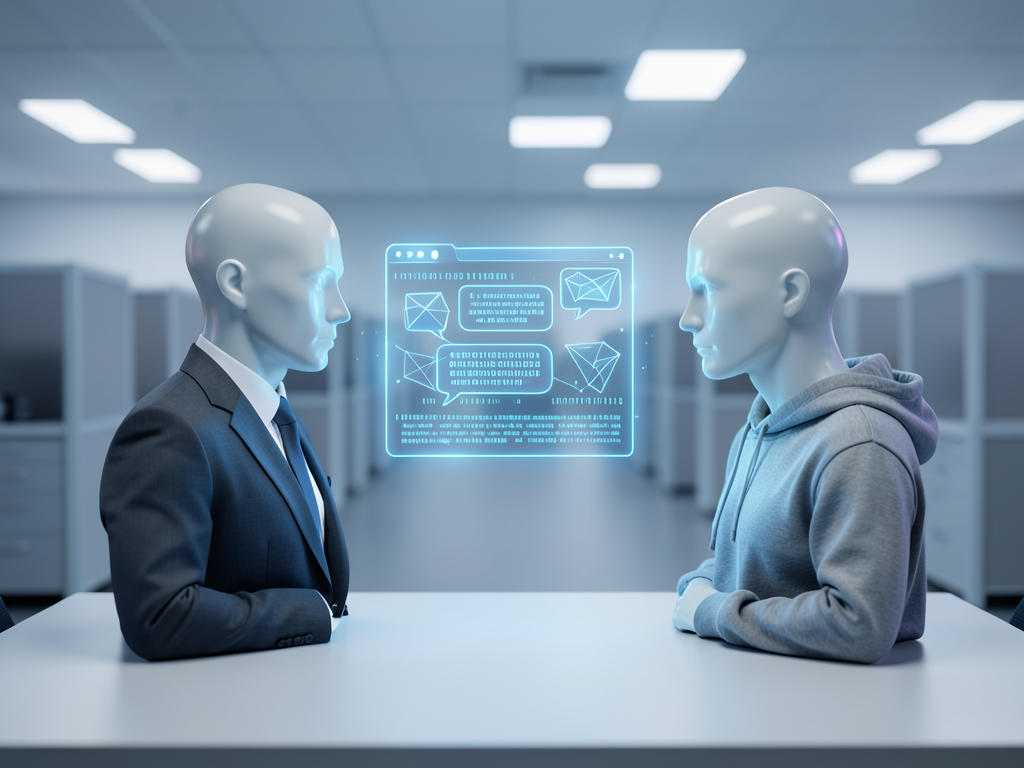
Christopher had spent weeks applying for jobs and hearing nothing back from automated screening systems. So he did something both logical and absurd: he unleashed ChatGPT on the recruiter chatbot that had failed to call him back.
The Rise of AI Recruiters
Automated interview platforms have become standard at many large firms. These systems ask preset questions, record responses and use natural language processing to score candidates. Supporters say the approach saves time and reduces human bias. Critics argue it creates an impersonal funnel that discards qualified applicants based on rigid algorithms.
Christopher experienced that funnel firsthand. After sending dozens of applications, he received generic rejection emails or no reply at all. One recruiter chatbot scheduled an interview then never connected. That was the breaking point.
A New Kind of Standoff
Instead of abandoning the process, Christopher fed the chatbot's questions into ChatGPT and let the AI generate answers in real time. The recruiter chatbot, designed to evaluate human responses, could not detect that it was trading messages with another machine. The result was a conversation between two bots, each pretending to be something it was not.
This is not an isolated stunt. Online forums now share scripts that let job candidates automate initial video interviews or chat screenings. Some developers have built browser extensions that transcribe recruiter questions and feed them to language models for instant answers.
Why This Matters
The logical end point of AI job interviews is two bots talking to each other, and that outcome undermines the entire purpose of screening. Companies deploy these tools to identify human talent, but the tools cannot tell if they are evaluating a person or a language model. When both sides automate, the hiring process loses its value for everyone involved.
For job seekers, the arms race means that honest candidates are disadvantaged against those willing to use AI assistants. For employers, it means screening data becomes unreliable. The trend may push companies to adopt more sophisticated verification methods or abandon automated interviews altogether. Until then, the bots will keep talking, and the humans will keep waiting.