Senior Editor: Alan Agbele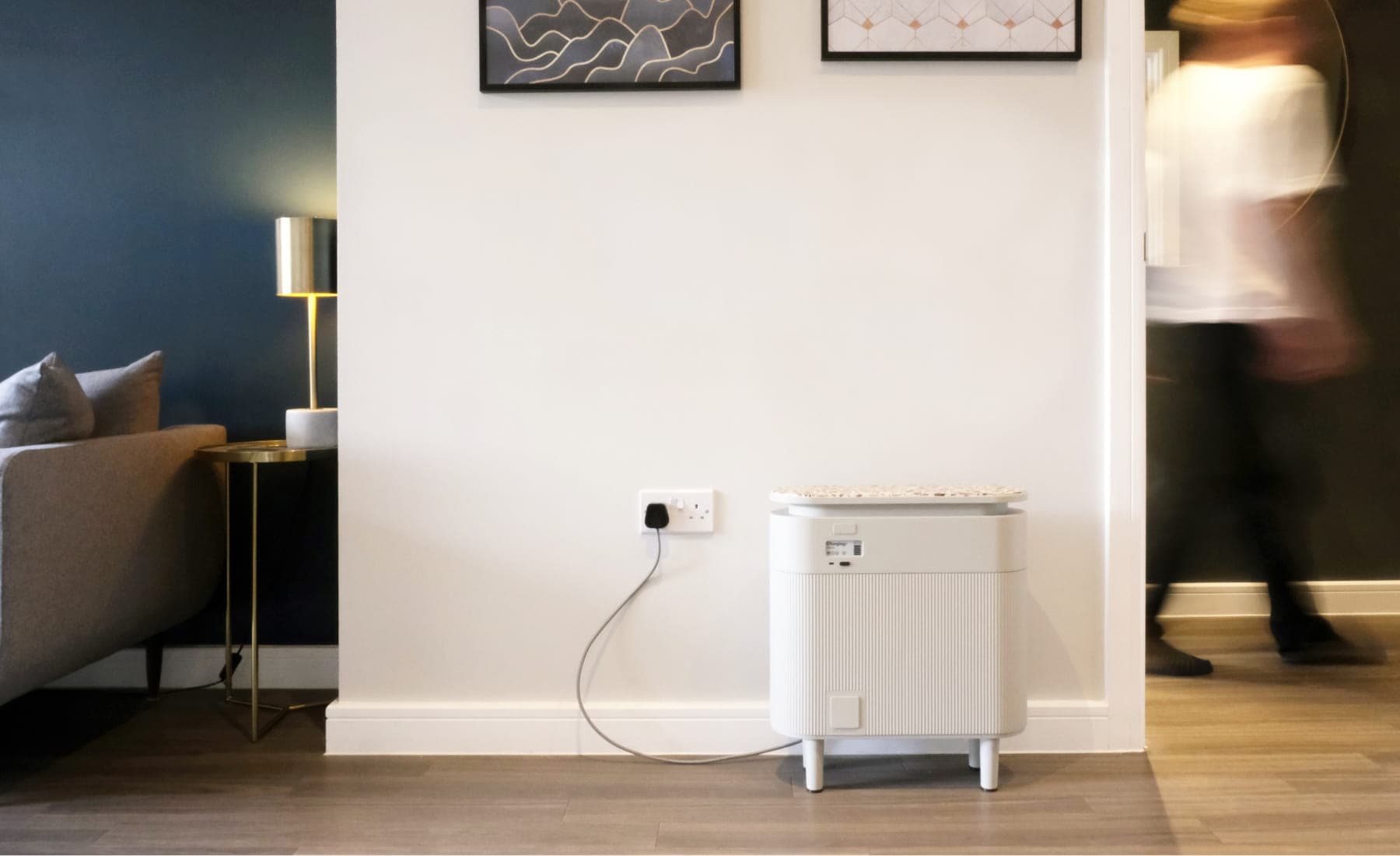
The shift toward plug-and-play solar panels has opened the door for homeowners to generate electricity without professional installation. A growing number of manufacturers now sell panels that plug directly into wall outlets, reducing upfront costs and eliminating complex wiring. The same logic, many experts argue, should soon apply to home batteries.
The Rise of Plug-and-Play Solar
Plug-in solar systems, sometimes called grid-tied microinverter kits, typically include panels, a microinverter and a standard NEMA plug. Homeowners mount the panels and plug them into a dedicated outlet. The system synchronizes with the grid and offsets consumption. This approach reduces installation costs by 30 to 50 percent compared with professionally installed arrays. The trend accelerated after UL updated its standard for utility-interactive inverters to explicitly cover plug-and-play configurations.
Companies such as Enphase and SunPower already offer components for these kits. The equipment is sold through online retailers and home improvement stores. Sales have risen steadily as more states adopt net metering policies that credit exported power at retail rates.
Why Batteries Lag Behind
Home batteries today are almost always hardwired by licensed electricians. The process involves significant labor, permits and sometimes a panel upgrade. The chief obstacle for plug-in batteries is safety. A battery system can backfeed power during an outage, creating risks for utility workers. Inverters must also detect islanding and disconnect automatically. The same requirements apply to solar, but batteries add the challenge of managing stored energy that can fluctuate unpredictably.
Regulators are beginning to address these issues. Enphase recently received certification for a plug-in battery prototype that meets UL 9540, the standard for energy storage systems. The company expects to launch a consumer version within a year. Other manufacturers are developing similar products that communicate with smart meters to ensure safe operation.
Why This Matters
If plug-in batteries enter the mainstream, the residential energy landscape will change significantly. Homeowners could gradually assemble a backup power system without large upfront contracts. Utilities would need to manage a growing number of behind-the-meter resources that are invisible to traditional load forecasting. The DIY market could also pressure incumbent installers to lower prices, making home storage more affordable for low-income households. The most immediate effect, however, is the shift in control from professional electricians to consumers. Plug-in batteries put energy independence within reach for millions of households that cannot currently justify the cost and hassle of a permanent installation.
The Road Ahead
Plug-in battery products are expected to hit shelves in 2025. The early models will likely have smaller capacities, around 1 to 3 kilowatt-hours, suitable for powering a refrigerator and lights during short outages. As standards mature, larger units with 5 to 10 kWh capacity could follow. Consumer education will be critical. Not every home outlet can safely support a battery, and improper use creates fire risks. Manufacturers must provide clear instructions, automatic safety checks and seamless integration with existing plug-in solar systems. If they succeed, the plug-in battery could become as common a home improvement item as the portable generator it would replace.