 Editor: Porcia Akua Holmes
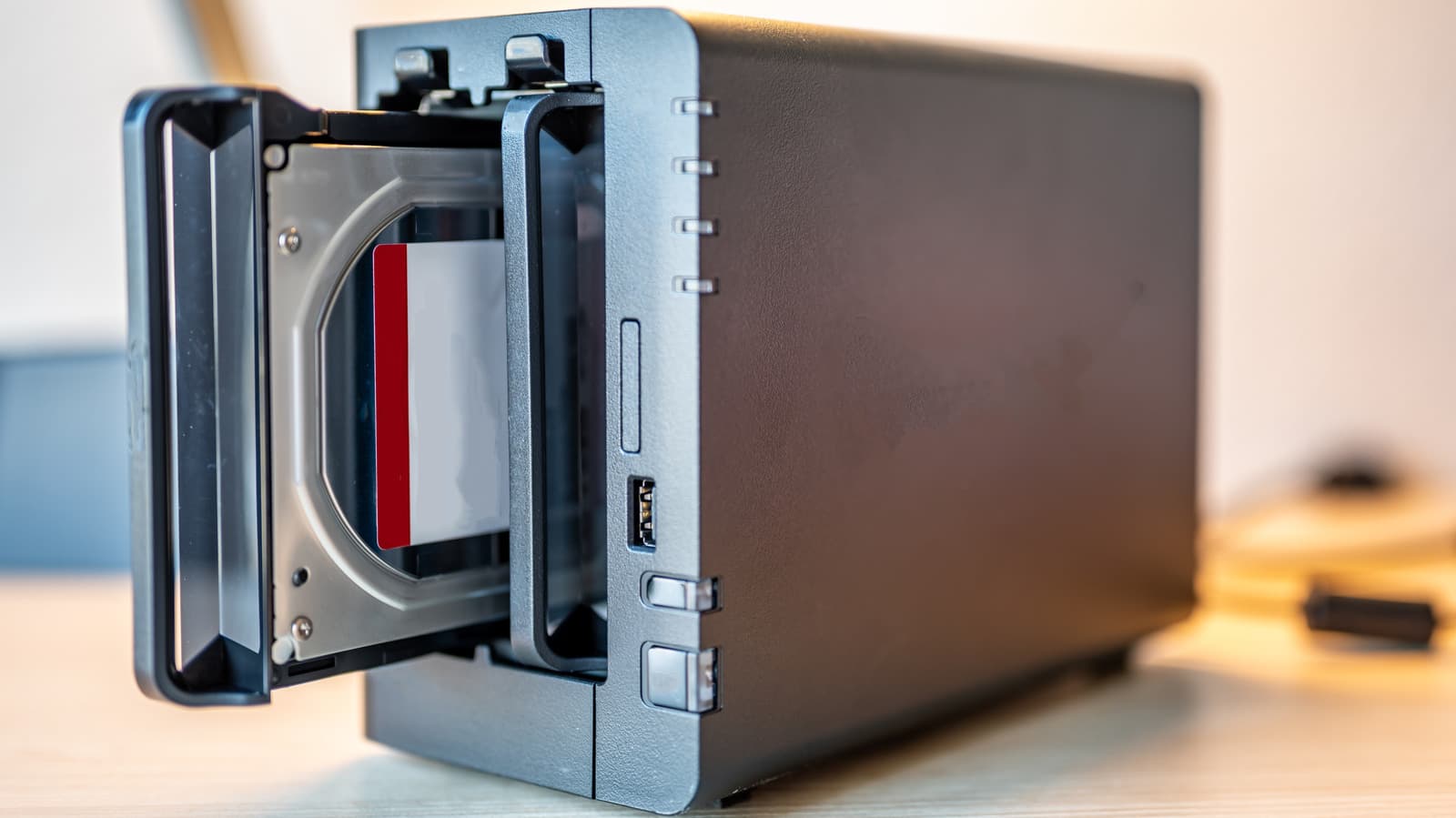
Building a full storage server to back up documents and photos is complicated and expensive. Home NAS devices offer a simpler solution for users who want personal cloud storage without the technical overhead.
The Shift Toward Appliance-Based Storage
The traditional approach to personal storage involved assembling a PC from parts, installing a server operating system and configuring network services. This method offered maximum flexibility but demanded significant time and technical skill.
Home NAS devices have changed that equation. They arrive preconfigured with drives, an operating system and management software. Users connect the device to their router and follow a setup wizard. The result is a working storage server in minutes rather than hours.
This shift mirrors a broader trend in consumer technology: moving from do-it-yourself builds to integrated appliances. Just as smart speakers replaced custom home automation setups, NAS devices are making personal cloud storage accessible to non-experts.
Why Home NAS Devices Make Sense for Most Users
For the majority of households, the benefits of a NAS outweigh the flexibility of a custom server. The key advantages include:
These factors make NAS devices particularly attractive to small businesses and home users who need reliable storage without dedicating time to server maintenance.
When a Custom Server Still Makes Sense
Custom-built storage servers retain advantages for users with specific requirements. Those who need extreme performance, specialized hardware or full control over every component may still prefer a DIY approach.
Enthusiasts who enjoy tinkering and want to repurpose old hardware also find custom servers appealing. The trade-off is clear: more flexibility and potentially higher performance in exchange for greater complexity and time investment.
For everyone else, the question is not whether a NAS can match a custom server feature for feature. It is whether the extra capabilities of a custom build are worth the added effort. In most cases, they are not.
Why This Matters
The growing popularity of home NAS devices signals a shift in how people think about personal data storage. As photos, documents and media libraries grow, reliance on cloud subscriptions becomes more expensive and raises privacy concerns.
A NAS offers a middle ground: the convenience of centralized storage without ongoing fees or data leaving the home. This matters for users who want control over their data but lack the skills to build a server from scratch.
Manufacturers are responding with more consumer-friendly devices, and the category is likely to see continued innovation in ease of use and integration. For the average household, the home NAS is becoming the default answer to personal storage needs.


