Senior Editor: Alan Agbele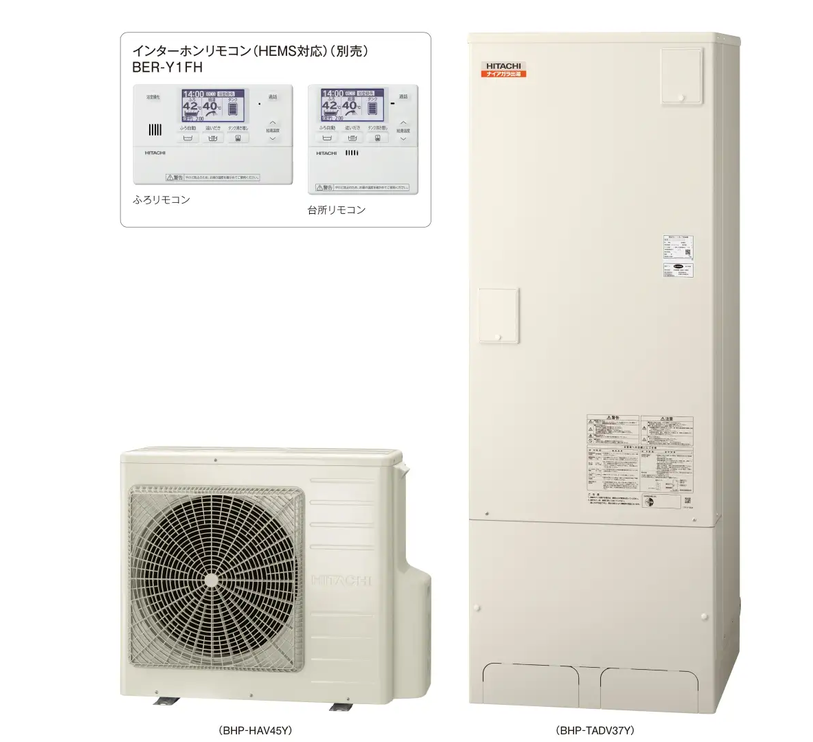
Hitachi has rolled out a new class of water heaters that use carbon dioxide as a refrigerant and can automatically shift their operation to match fluctuating electricity prices. The units incorporate a tariff control system designed to align heating cycles with periods when grid power is cheapest or when rooftop solar panels are producing the most energy.
How the Tariff Control System Works
Hitachi's water heaters connect to home smart meters and solar inverters using standard communication protocols. The tariff control system continuously monitors energy prices and solar output, then decides the optimal times to heat water. This automation removes guesswork for consumers and ensures the appliance runs when it is both economical and environmentally friendly.
These features allow the water heater to function as a flexible energy asset. Instead of consuming power at fixed hours, it adapts to real-time conditions. For homes with solar panels, the tariff control system can almost entirely shift water heating to daytime hours, maximizing the use of self-generated electricity.
Why This Matters
This development addresses a critical bottleneck in home electrification. Water heating accounts for about 18 percent of a typical household's energy use. Shifting that load to off-peak or solar-rich hours reduces strain on the grid and makes variable renewable sources more viable. For homeowners, the promise is lower bills without sacrificing comfort. For utilities, each smart water heater acts as a thermal battery that can absorb excess renewable power, helping to balance supply and demand.
The introduction of tariff controls into a mature appliance category signals a broader push toward intelligent energy management. Hitachi's CO2 heat pump water heaters could accelerate the adoption of heat pumps by making them more economical in markets with dynamic pricing. As more homes install solar panels and utilities adopt time-of-use rates, the value of such automated load shifting will only grow.