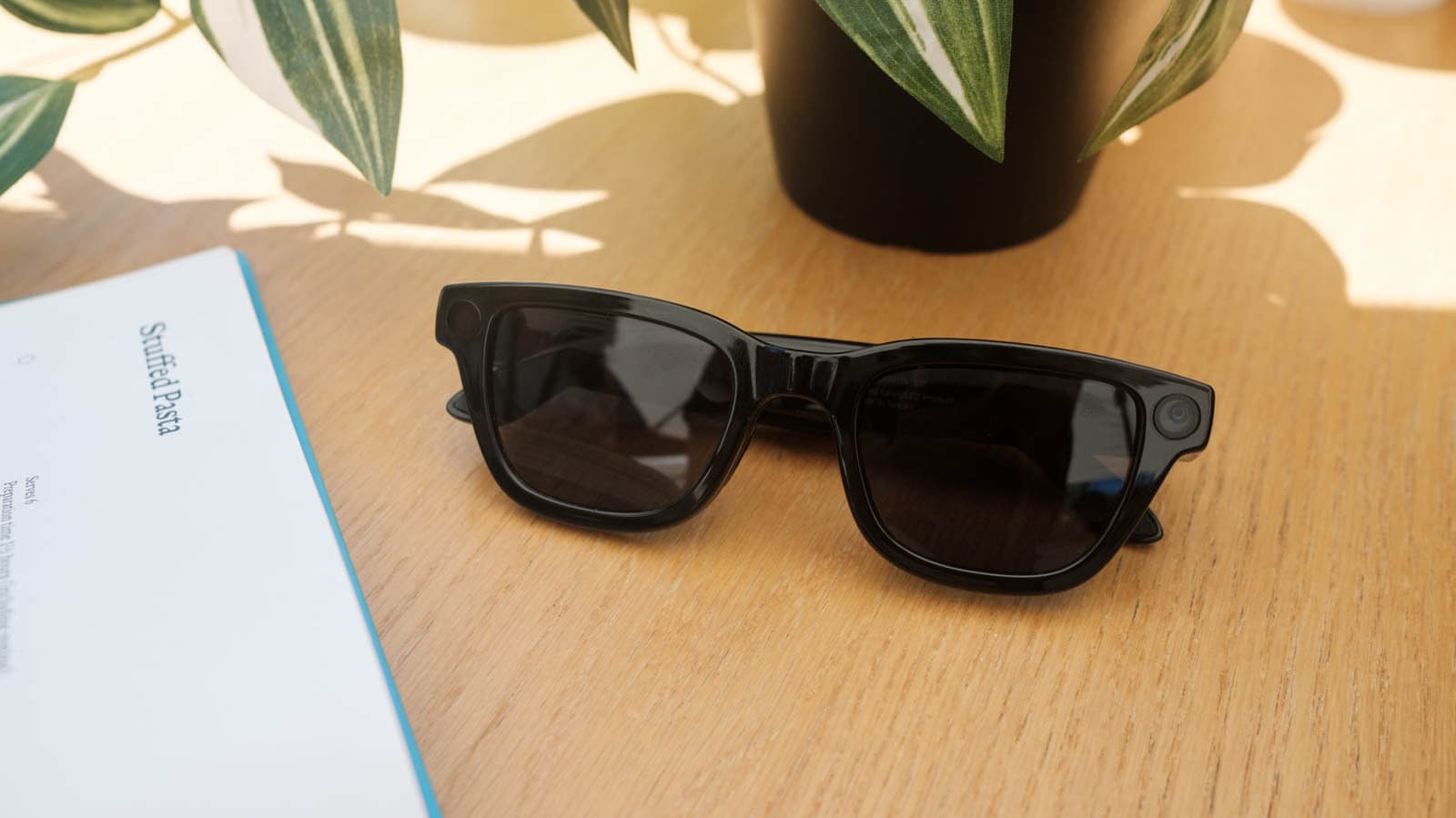
Google has spent years exploring augmented reality. Now Android XR is poised to bring that work to consumers. The company faces intense competition and a history of hardware stumbles. But its upcoming smart glasses may offer advantages that rivals cannot match.
The State of Android XR
Android XR is Google's operating system for extended reality devices. It is designed to power headsets and smart glasses. The platform has been in development for years. Recent reports suggest the software is finally close to launch. Google is expected to release smart glasses running Android XR within the next year.
The company has not confirmed exact specifications or pricing. But the glasses are expected to be lightweight and focused on practical everyday use. They will likely integrate deeply with Google's ecosystem. This includes Maps, YouTube and Assistant. That integration could set them apart from dedicated devices like the Apple Vision Pro or Meta Quest.
Why This Matters
Android XR represents Google's best chance to compete in the spatial computing market. Apple and Meta already dominate consumer and developer mindshare. If Google fails to deliver a compelling product, it risks being sidelined in a category that could reshape how people interact with digital information. Success would give Android a foothold in augmented reality. Failure would reinforce doubts about Google's ability to execute in hardware.
Consumers are directly affected because smart glasses may replace phone use for certain tasks. Navigation, notifications and translation could appear directly in a user's field of view. A well executed Google product could make that experience seamless. A poor one would push people toward Apple or Meta alternatives.
Potential Advantages Over Rivals
Google's smart glasses have a few key strengths. The first is software integration. Android XR will run Android apps natively. That means developers can bring existing apps to the glasses with minimal work. Apple Vision Pro runs iPad apps, but they are not tailored for AR. Meta's Quest is powerful but remains game focused.
Another advantage is weight and form factor. Google is aiming for glasses that look like normal eyewear. That approach could appeal to people who want AR without wearing a bulky headset. The company also has years of data from its earlier Google Glass experiment, which taught it what users find acceptable and what they reject.
Price could also be a factor. Google may undercut the $3,500 Vision Pro by a significant margin. A sub $1,000 price point would make the glasses accessible to a wider audience. Meta's Quest 3 starts at $500 but is a VR headset, not lightweight AR glasses. Android XR glasses could fill a gap between full VR and none.
Challenges Ahead
Google has plenty to prove. Its hardware track record is mixed. The Pixel phone line is successful but not dominant. Stadia failed. Nest struggled early on. Google Glass became a privacy cautionary tale. The company must convince consumers that it is serious about this product and will support it for years.
Developer buy in is also critical. Android XR needs a rich app library to be useful. Google must offer clear incentives for developers to build for the platform. If the glasses launch with few compelling apps, early adopters will quickly lose interest.
Competition will only intensify. Apple is working on a cheaper Vision headset. Meta is refining its own AR glasses. Google cannot afford to delay. The next 12 months will determine whether Android XR becomes a real platform or another forgotten experiment.