Senior Editor: Alan Agbele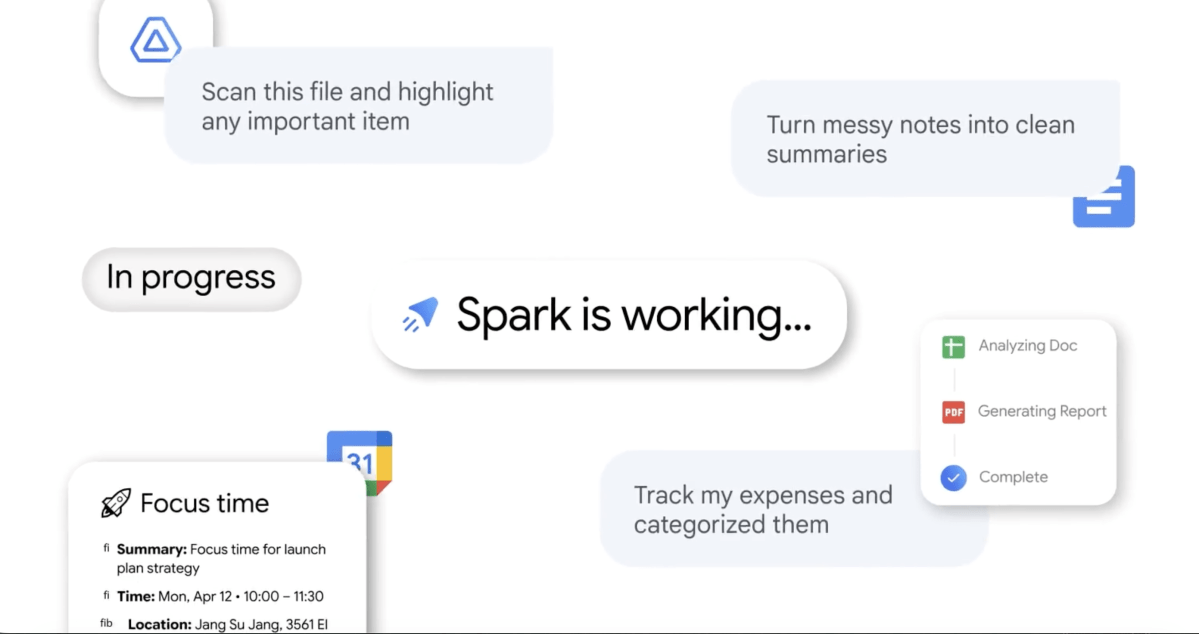
Google unveiled a suite of always-on AI tools at its I/O 2026 developer conference, promising to simplify daily life. The new features include Gemini Spark, an AI agent that can organize events, and Daily Brief, which summarizes what to expect each day. Google also expanded access to its Gmail AI inbox, which drafts replies and creates to-do lists from email content.
These tools appear useful on the surface. But they share a common foundation: an AI engine that relies on a deep well of personal information. The company is asking users to hand over more data than ever before, and that tradeoff is drawing scrutiny.
Always-On AI Agents
Gemini Spark represents Google's most ambitious push into proactive AI assistance. Unlike chatbots that wait for input, Spark runs continuously in the background. It monitors calendars, emails and browsing habits to offer suggestions before a user asks.
Daily Brief offers a similar always-on approach. It scans a user's schedule, messages and past behavior to produce a morning rundown. The Gmail AI inbox goes further, analyzing the content of every message to generate personalized responses and action items.
Google argues these tools save time and reduce cognitive load. Critics say they also create a permanent record of user behavior that the company can mine for advertising or product development.
Data as Currency
The shift marks a departure from earlier AI products, which often processed data on device or with limited permissions. Google's new agents require continuous access to sensitive information across multiple services.
Users who want the convenience must accept that their data flows through Google's cloud servers. The company has promised strong encryption and privacy controls, but the underlying model depends on centralizing personal data to train and improve its AI.
Google is not alone in this direction. Competitors like OpenAI and Microsoft are also building agents that learn from user activity. But Google's existing dominance in search, email and cloud storage gives it a unique advantage in data collection.
Why This Matters
Millions of people already rely on Google for email, calendars and document storage. The company is now asking them to trust it with even deeper access to their daily routines. Anyone who uses Gmail, Google Calendar or Google Drive will be affected by these changes.
The practical implications are significant. Users may gain genuine convenience, but they also face increased privacy risks. If Google's AI misinterprets data or suffers a breach, the consequences could be serious. For businesses and individuals alike, the decision to enable these agents is a bet on Google's ability to safeguard personal information.
The broader tech industry is watching closely. Google's approach could set a standard for how AI assistants handle user data. If users reject the tradeoff, it could slow adoption of always-on AI across the entire sector. If they embrace it, rivals will likely follow suit with similar data hungry models.