Senior Editor: Alan Agbele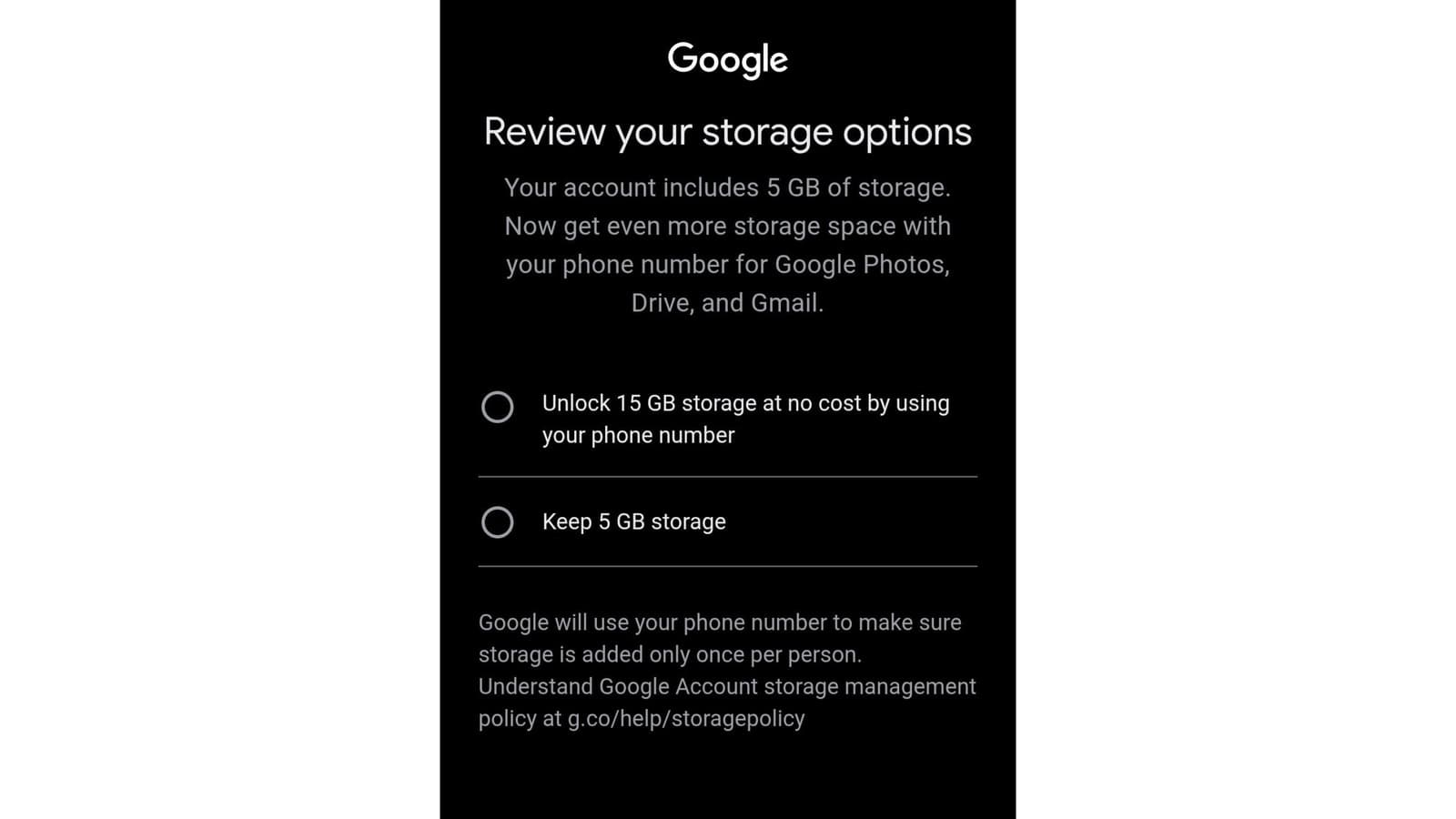
Google has begun testing a controversial change for new account holders in some regions. New users may only receive 5GB of free cloud storage unless they provide a phone number. The policy shifts how the company manages its free storage tier, traditionally set at 15GB for all users.
The Policy Change
Reports indicate the test applies to newly created Google accounts in certain markets. Without linking a phone number, storage is capped at 5GB across Google Drive, Gmail and Google Photos. Users who add a number regain access to the standard 15GB free tier.
The company described the change as a regional experiment. Google has not confirmed which countries are affected or how long the test will run. The policy does not impact existing accounts.
The Rationale
The move appears aimed at reducing abuse of Google's free services. Spammers and bad actors often create multiple accounts to bypass restrictions. Requiring a phone number adds friction and makes it easier to track malicious activity.
Google has long required phone numbers for some services. Adding a number for more storage is a new step. The change may also encourage users to adopt paid plans like Google One, which offers larger storage capacities starting at 100GB.
Why This Matters
For consumers, the test introduces a trade off between privacy and storage. Users who want the full 15GB free tier must hand over a personal phone number, raising concerns about data collection and security. Those who refuse face a 66 percent reduction in free storage.
The shift could frustrate users in regions where privacy laws are weak or where phone numbers are tied to identity. It may also complicate account creation for legitimate users who do not want to share personal information.
The test signals Google's growing focus on account verification. If successful, the policy could expand to more countries. Users should monitor announcements from Google about any permanent changes to free storage terms.
For now, new account holders in test regions face a simple choice: share a number or lose storage. The outcome of this experiment could shape how big tech companies balance free offerings with security measures.