Editor: Porcia Akua Holmes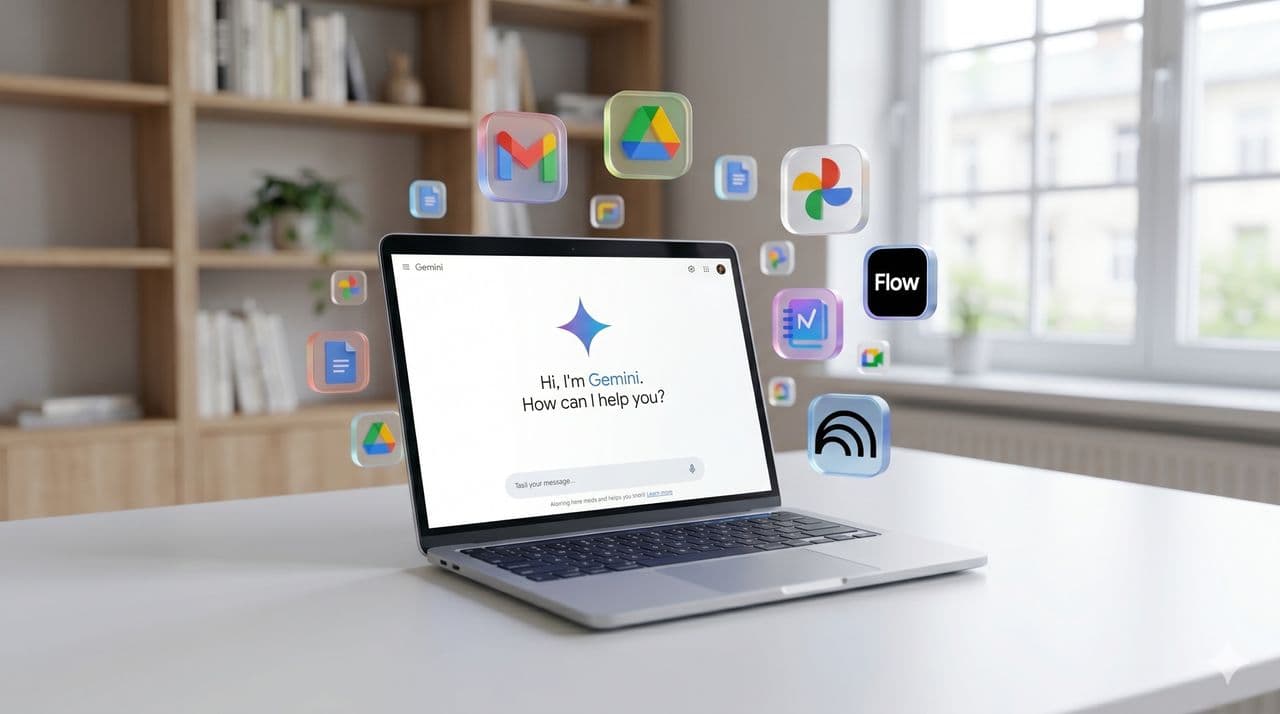
Google has launched a $4.99 monthly subscription for its Gemini AI assistant, directly undercutting OpenAI's ChatGPT Plus and signaling a more aggressive push into the consumer AI market. The new tier, which offers extended access to Gemini's advanced capabilities, is about 60% cheaper than OpenAI's $20 per month ChatGPT Plus plan.
What the Gemini Plan Includes
The $4.99 subscription provides subscribers with priority access to Gemini's latest models, faster response times and expanded usage limits compared to the free tier. Users also get deeper integration with Google's ecosystem, including Gmail, Google Docs and Google Drive. The plan appears designed to appeal to cost-conscious consumers who want more than a free AI assistant but hesitate to pay $20 monthly.
Google has not yet disclosed the exact usage cap differences between free and paid tiers, but early reviews suggest the $4.99 plan effectively removes many of the throttling restrictions that frustrated free users. This pricing structure mirrors the strategy Google used with Google One cloud storage plans: a low entry price to lock users into the ecosystem.
The Competitive Landscape
OpenAI's ChatGPT Plus currently costs $20 per month and has not changed its pricing since launch. While ChatGPT Plus offers access to GPT-4 and DALL-E 3, Google's Gemini model competes on multimodal reasoning and integration with productivity tools. The price gap creates a clear value differentiator for Google, especially among students, freelancers and small businesses.
Microsoft's Copilot, which also uses OpenAI models, remains free with a Microsoft 365 subscription but lacks the standalone consumer focus of Gemini and ChatGPT. Google's move forces competitors to reconsider their pricing or add more features to justify higher costs.
Why This Matters
Consumers directly benefit from this price war. For many users, $4.99 is an impulse purchase threshold while $20 demands justification. Google's lower price could accelerate adoption of paid AI assistants among casual users who rely on tools like email summarization, writing assistance and data analysis.
The pricing shift also pressures OpenAI to respond. If Google gains significant market share at $4.99, OpenAI may need to introduce a cheaper tier or bundle additional services. The long-term implication is that consumer AI subscriptions may settle into a price range closer to $5 than $20, similar to the trajectory of music streaming services following early premium pricing.
For Google, the plan is not just about subscription revenue. It incentivizes users to stay within Google's ecosystem for AI tasks, collecting more training data and reinforcing brand loyalty. OpenAI, which lacks a comparable productivity suite, faces a structural disadvantage in offering competitive pricing without sacrificing margins.
This subscription battle underscores a broader trend: the commoditization of general-purpose AI assistants. As models improve and costs drop, pricing will become a primary battleground. Google's $4.99 plan may be the opening salvo in a race to the bottom that ultimately benefits users but squeezes smaller AI startups.