 Editor: Porcia Akua Holmes
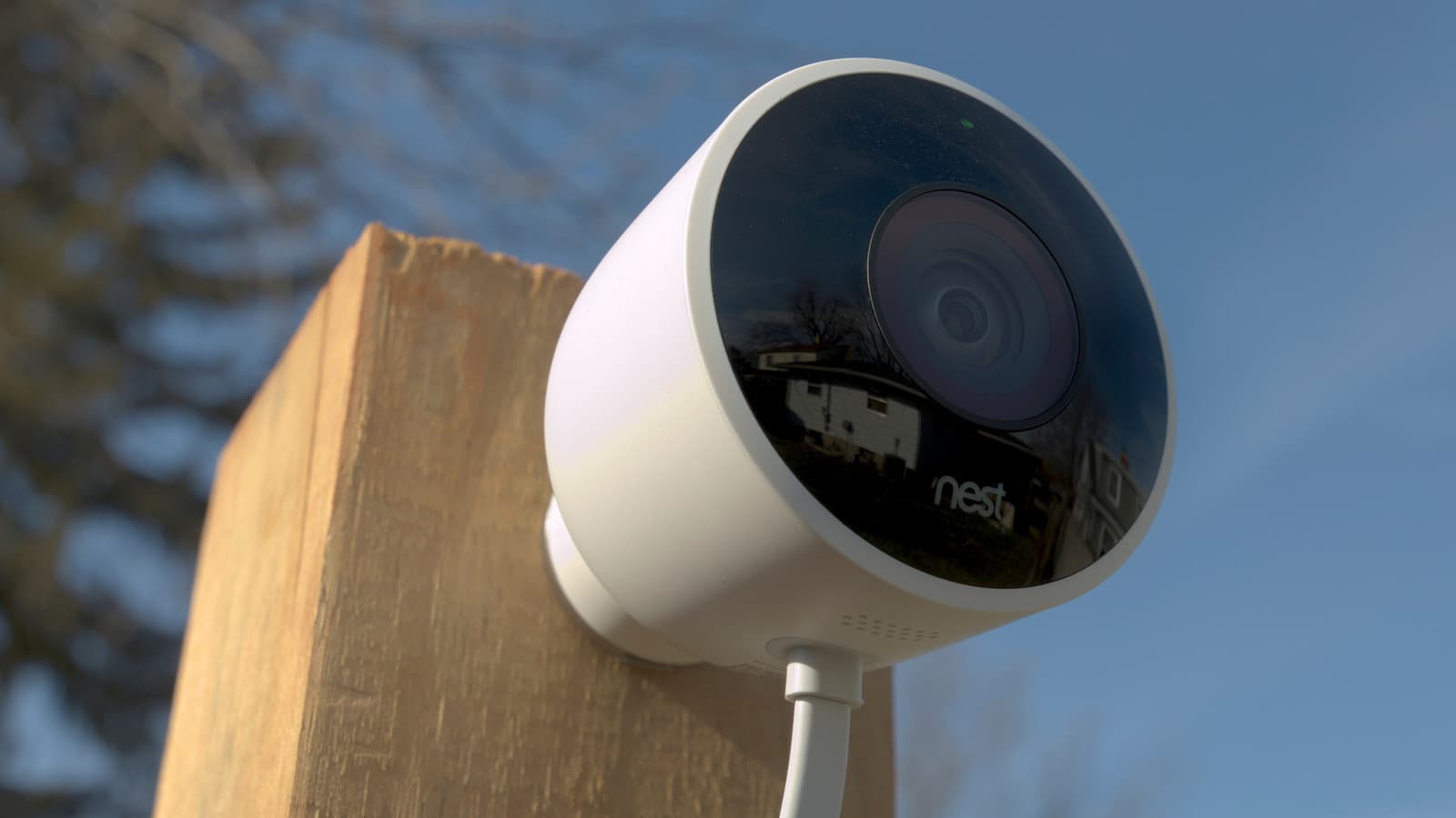
Security camera shoppers are increasingly discovering that the device itself is only half the purchase. The other half is whether it works with the smart home platform they already use, and for millions of households that platform is Google Home.
The Shift From Standalone Cameras to Ecosystem Devices
Security cameras were once judged on resolution, night vision and storage. Those specs still matter, but the buying question has changed. Consumers now ask whether a camera can talk to the rest of their home.
Google Home has become a central hub for that conversation. A compatible camera can stream footage to a Nest Hub or a phone, respond to voice commands and join routines that tie together lights, locks and sensors.
This shift mirrors what happened with smart speakers and thermostats. Hardware alone no longer wins. The platform connection does.
What Google Home Compatibility Actually Delivers
Compatibility is not a single feature. It is a bundle of capabilities that vary by camera model and manufacturer. Buyers should check for the specific functions they plan to use.
Each of these depends on the camera maker's implementation. Some cameras support only basic streaming. Others integrate deeply with routines and notifications.
Buyers should confirm the exact level of support on the product page or with the manufacturer before committing. A logo on the box does not guarantee every feature.
The Cost of Choosing the Wrong Camera
A camera that lacks Google Home support is not useless. It still records and stores footage. The problem is isolation.
An isolated camera lives in its own app. It cannot be called up by voice. It cannot join a routine that turns on lights when motion is detected. The user ends up juggling multiple apps and missing the convenience that smart home systems promise.
This fragmentation is a common source of frustration. Consumers often discover the gap only after installation, when returning the product is inconvenient.
Why This Matters
The security camera market is converging on ecosystem compatibility as a primary purchase criterion. Manufacturers that fail to integrate with Google Home risk losing customers who have already standardized on that platform.
For consumers, the implication is practical. A camera purchase is now a platform decision. Choosing a model that works with Google Home protects the value of existing smart displays and speakers and keeps the door open for future automations.
For the industry, the pressure is clear. Camera makers must invest in software integration, not just hardware specs. Those that do will earn loyalty from Google Home users. Those that do not will be relegated to standalone status.
The next wave of buyers will likely treat Google Home compatibility as a baseline requirement, not a bonus feature. That shift will reward camera brands that treat integration as a core product capability.


