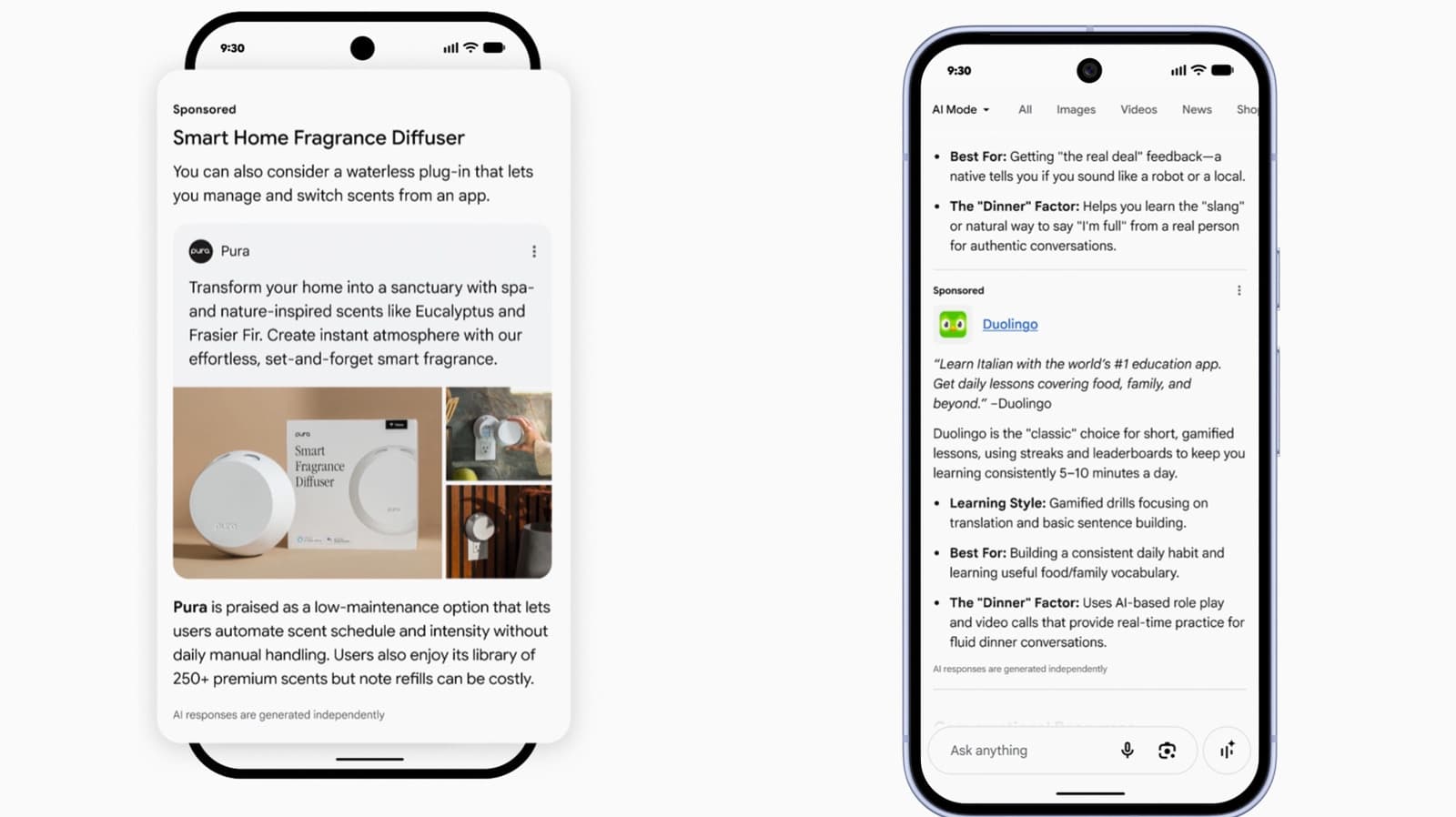
Google used its annual I/O developer conference to announce a major shift in search advertising. The company is rolling out new AI-powered ad formats that leverage generative models to create more dynamic and personalized marketing content directly within search results.
The New Ad Formats
These formats go beyond traditional text or shopping ads. Google's AI can now generate ad copy, adjust imagery and even produce short video clips based on a brand's assets and campaign goals. The system analyzes user intent signals in real time, tailoring the ad presentation to each query.
One key format introduces interactive ads that let users ask follow-up questions within the ad unit itself. Another places AI-generated product showcases at the top of search results, blending sponsored content with organic listings in a more seamless way.
Why This Matters
For advertisers, this means less manual work but also less direct control over creative choices. Small businesses without large marketing teams could gain access to sophisticated ad creation tools that were previously available only to big brands. But they must trust Google's AI to represent their products accurately.
For users, the change could make ads feel more useful and less intrusive. Relevant, well-crafted ads may answer questions before a click is even needed. At the same time, the line between organic results and paid content becomes harder to see, raising concerns about transparency.
The broader advertising industry is watching closely. Google controls the largest share of digital ad spending worldwide. If these AI formats prove effective, competitors like Amazon Ads and Meta will face pressure to introduce similar generative capabilities. The decision also comes amid rising scrutiny over how AI affects privacy and data usage.
Google has said the new formats comply with its existing privacy standards and that advertisers can opt out of AI-generated content. But critics argue that the system's reliance on user behavior data amplifies privacy risks, especially as regulators in Europe and the U.S. craft new rules for AI systems.
Rollout begins later this year in select markets. Google plans to expand availability globally in 2026. Early adopters include major retailers and travel brands, though the company expects broader adoption once performance metrics become clear.
This is not the first time Google has used AI in advertising. The company already applies machine learning for bid optimization and audience targeting. The new formats represent a qualitative leap, placing generative AI at the center of ad creation for the first time.