 Editor: Porcia Akua Holmes
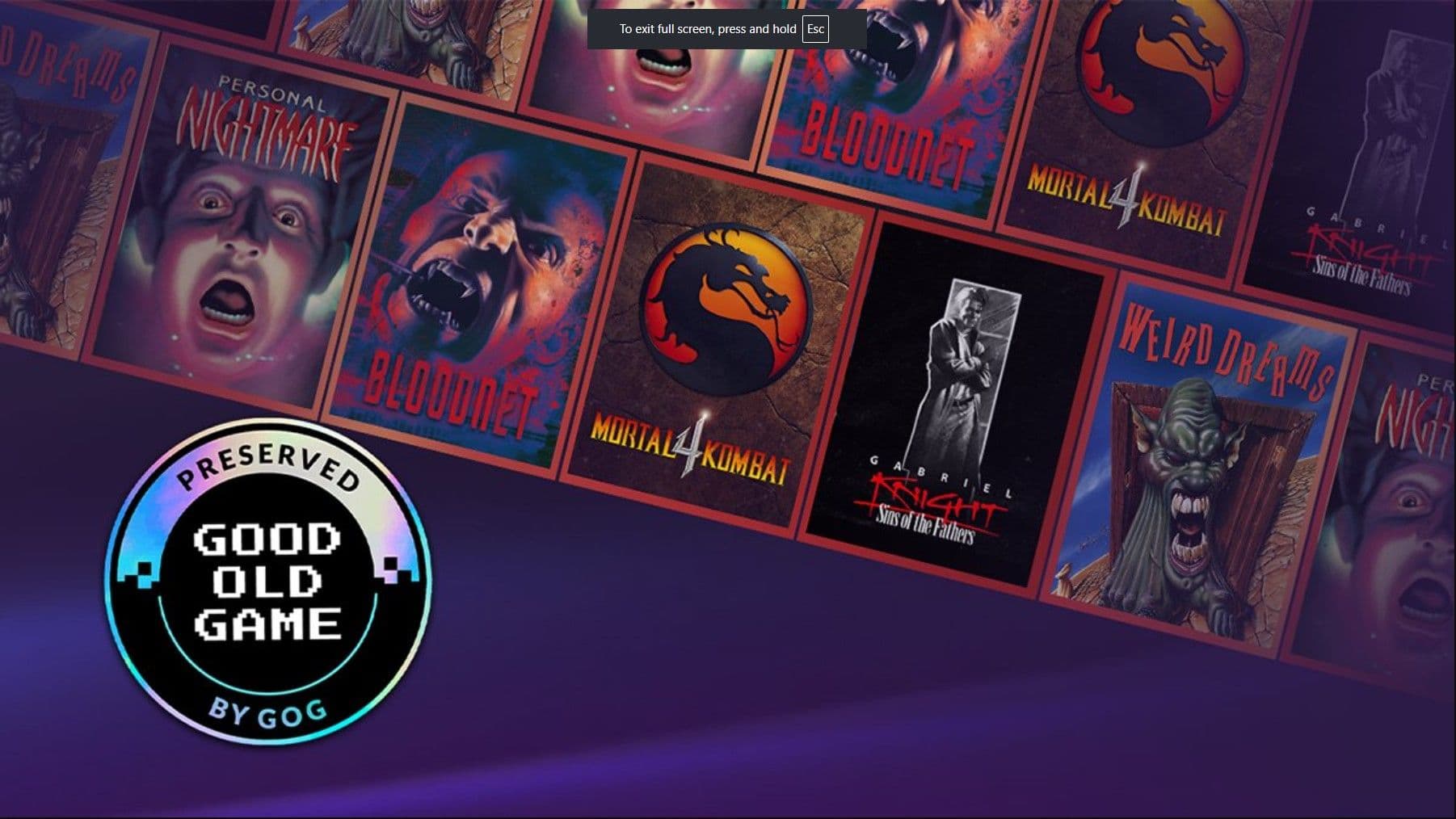
GOG wants to put boxed PC games back on store shelves, a move that would reverse decades of digital-only momentum and directly challenge the industry's shift away from physical media. Marcin Paczynski, the storefront's business development and partnerships manager, told GamesRadar that selling tangible copies is a personal goal.
The Dream: Click, Order, Unbox
Paczynski outlined a scenario where a customer browses their GOG shelf, selects a title and orders a physical copy that arrives at their door. He called that outcome a perfect scenario in the GamesRadar interview.
The vision extends beyond nostalgia. GOG has already invested in game preservation through its Preservation Program, which keeps older titles playable on modern hardware. Physical editions would add a tangible layer to that mission.
Paczynski also sees physical copies as a way to give gamers more agency over their libraries. That could include reviving a used market where players swap or resell discs and cartridges, a practice that has largely disappeared from PC gaming.
Logistics and Legal Hurdles Stand in the Way
GOG has never handled physical inventory. The company would need to manage manufacturing, warehousing and shipping, all of which are outside its current digital-only workflow.
Publisher approvals present a second obstacle. Paczynski said GOG would need additional permissions to sell physical versions of games, meaning each title would require fresh negotiations.
The format question remains unresolved. Optical drives are now rare on PCs, making CDs, DVDs and Blu-rays unlikely candidates. GOG has not specified what media it would use.
Any of these options would let publishers include exclusive physical bonuses, turning a game purchase into a collector's item. The tactile experience of opening a new game and discovering extras remains a powerful draw for a segment of players.
Why This Matters
GOG's exploration lands at a moment when physical media is retreating across the console market. Sony and Microsoft have both announced plans to reduce or eliminate disc production, leaving consumers with fewer ownership options. A successful physical PC initiative from GOG would create a rare countertrend.
For publishers, the model offers a new revenue stream and a way to court collectors. For gamers, it could restore the ability to lend, resell or display games, rights that digital licenses often restrict.
The bigger question is whether GOG can make the economics work. Physical games carry higher margins for retailers but also higher costs for manufacturing and distribution. GOG's digital-first infrastructure gives it no existing advantage in that arena.
If GOG succeeds, it could pressure other storefronts to reconsider physical options. If it fails, the experiment will likely reinforce the industry's digital trajectory. Either way, the outcome will shape how PC gamers think about ownership for years to come.


