Senior Editor: Alan Agbele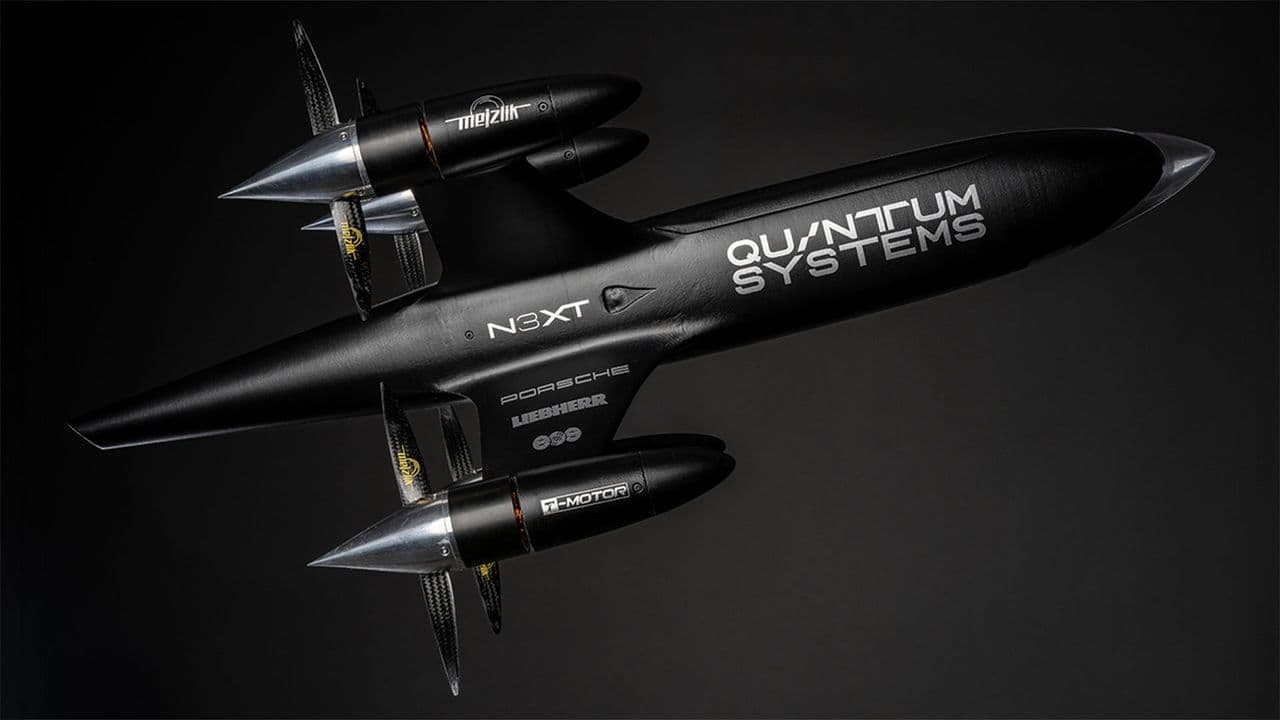
A Munich-based company has clocked an electric drone at 434 mph, a speed that would shatter the current world record if officially verified. Quantum Systems Group recorded its Apex Recordhunter drone hitting 699 km/h (434 mph) during internal testing last month, surpassing the existing record of 409 mph. The company is now preparing a formal attempt to secure a Guinness World Record.
Interceptor Ambitions
The Apex Recordhunter drone was developed over the past year as a technology demonstrator. Ukrainian engineers are working on the project under WIY Drones, a branch of Quantum Systems. The drone is being assessed for future interceptor drone programs, specifically targeting anti-aircraft roles.
WIY Drones plans include record attempts for an FPV interceptor drone carrying a 0.5 kg payload and for an anti-aircraft class FPV interceptor drone. These efforts could provide a Ukrainian answer to increasingly fast and maneuverable aerial threats.
Competing Recordhunters
Quantum Systems is not alone in pursuing speed records. In May, drone builders Aidan and Ben from New Zealand recorded speeds of up to 453 mph (730 km/h) in tests of their Blackbird drone. The Blackbird uses exotic sawtooth carbon fiber propeller blades to achieve its speed.
Both the Apex Recordhunter and Blackbird records remain unofficial. Verification requires a certified independent observer, verified measurement equipment, documentation and a controlled two-way run.
Why This Matters
The speed records signal a shift in drone technology toward high-speed electric propulsion. For militaries, faster drones mean better interception capabilities against threats like kamikaze drones. The involvement of Ukrainian engineers highlights the real-world urgency behind these developments. If officially verified, these speeds could redefine what is possible for electric drones in both civilian and defense applications.