Senior Editor: Alan Agbele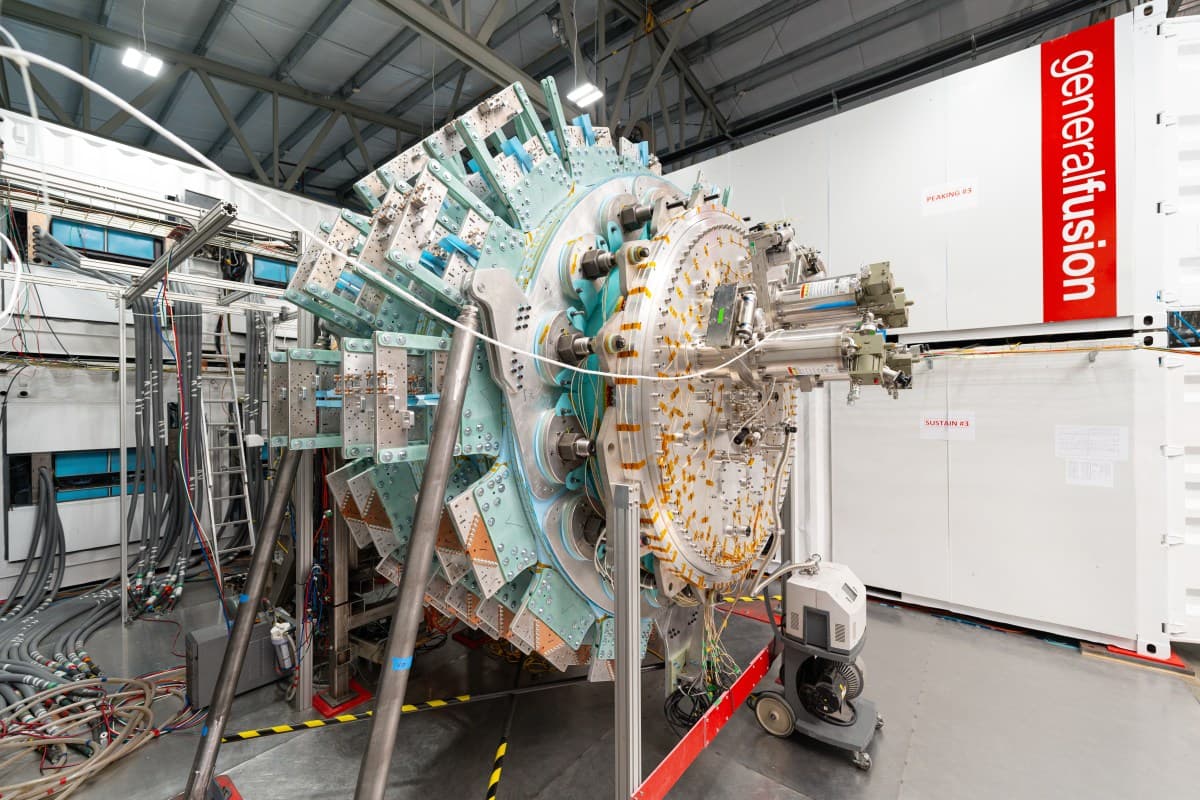
General Fusion began trading on the Nasdaq this week, marking the first time a fusion energy company has gone public. Shares surged in the debut, reflecting strong demand from investors betting on the long-term promise of commercial fusion power.
Fusion's Public Market Debut
The Vancouver-based company completed its merger with a blank-check firm and began trading under the ticker symbol GFL. Investors responded enthusiastically, pushing the stock price well above its reference level. The move makes General Fusion the first pure-play fusion stock on a major exchange.
General Fusion develops a technology called magnetized target fusion, which uses plasma compressed by pistons to create fusion conditions. The company has raised more than $200 million from private investors, including Jeff Bezos and the Canadian government. Going public provides access to additional capital needed to build a demonstration plant.
Industry Context
The public debut of General Fusion arrives as the global fusion industry attracts record investment. More than 40 private fusion companies are now operating worldwide, raising a combined $5 billion in venture funding. The sector has shifted from pure research toward commercial engineering, with several players promising working reactors within a decade.
Fusion energy promises near-limitless clean power by replicating the processes that fuel the sun. If realized, it could transform the energy grid and displace fossil fuels. But skeptics note that no fusion company has yet produced more energy than it consumes, and timelines have repeatedly slipped.
Why This Matters
General Fusion's public listing changes the investment calculus for fusion energy. For the first time, ordinary shareholders can bet on the technology's future rather than relying on private markets. The move also pressures other fusion firms to accelerate their own paths to public markets or risk losing investor attention.
The real test, however, lies ahead. General Fusion must demonstrate that its reactor can achieve breakeven and then scale. If the company succeeds, it will validate the entire fusion sector. If it stalls, the setback could cool investor enthusiasm for years. The stock's trading performance will serve as a barometer of public confidence in fusion's commercial viability.
For the energy industry, the arrival of publicly traded fusion companies introduces a new variable in the transition to clean power. Utilities and grid operators will watch closely, weighing the possibility of fusion as a baseload complement to solar and wind.