Senior Editor: Alan Agbele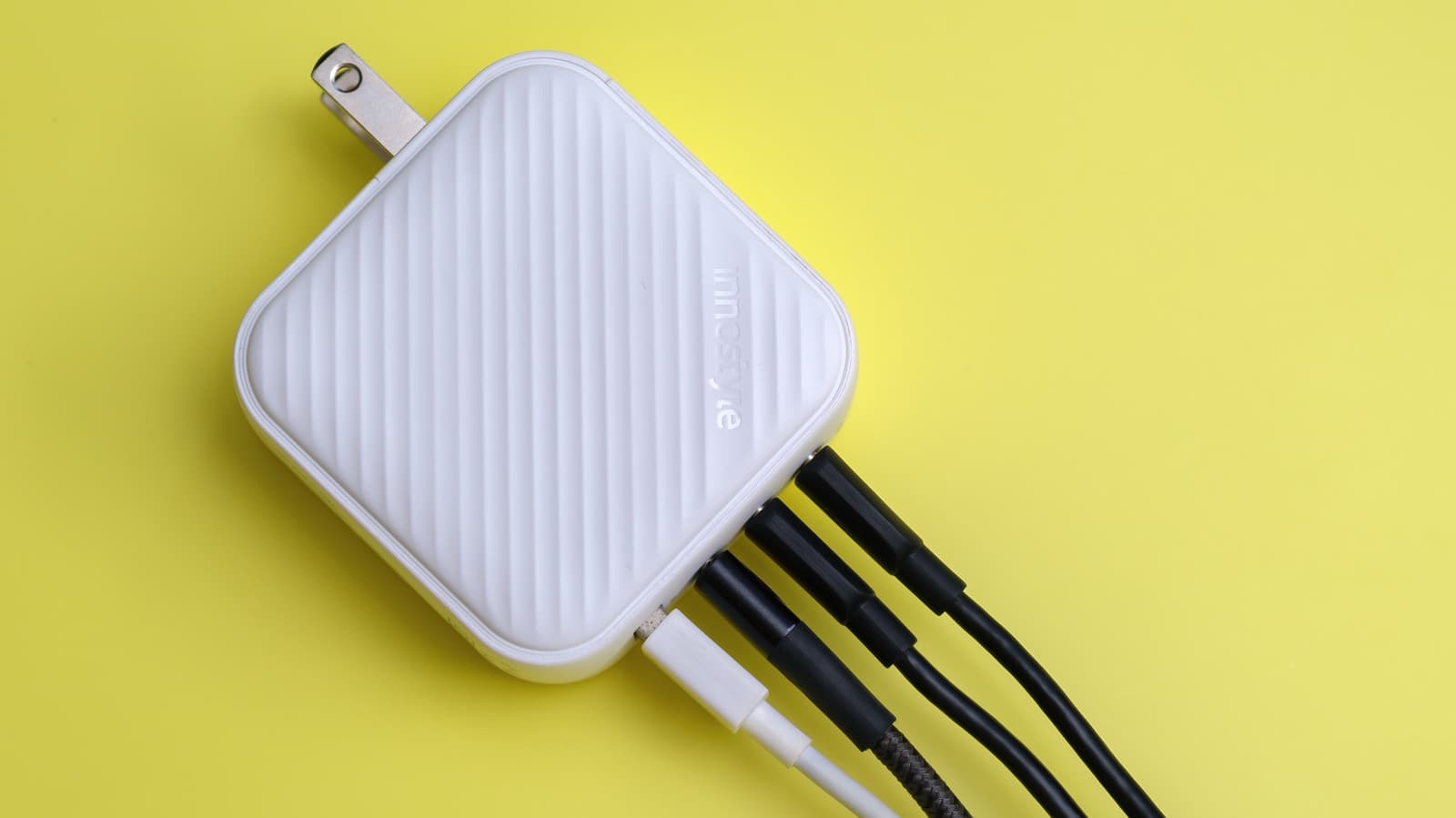
Walking through the electronics aisle these days means seeing a new three-letter label on many power adapters: GaN. Brands from Anker to Belkin prominently display it on their fast chargers, but the term rarely comes with a plain English explanation. Understanding what Gallium Nitride actually does inside a charger explains not only why these adapters cost more but also why they are rapidly becoming the new standard for power delivery.
The Science Behind the Label
Gallium Nitride is not a new discovery. Engineers have used it in radio frequency applications and LED lighting for years. What is relatively new is applying it to consumer power electronics. Silicon, the material in standard chargers, has physical limits on how thin its transistors can get and how much heat they can handle. GaN transistors can switch at much higher frequencies while generating less heat.
This higher switching frequency is the key. A charger works by converting wall AC power into the DC voltage a device needs. That conversion happens through a transformer, and the physical size of that transformer is directly tied to the switching frequency. Higher frequency means a physically smaller transformer can do the same job. Smaller components mean a smaller overall charger.
Real World Tradeoffs
The shift to GaN is not a minor specification bump. The difference in size between a 65W silicon charger and a 65W GaN charger is immediately visible. The GaN version can be roughly half the volume while delivering the same power. For travelers or anyone who carries a laptop charger in a bag, that reduction is significant.
Buyers, however, should be aware of a key trade-off. The price gap between GaN and silicon chargers has narrowed over the past two years but still exists. A 65W GaN charger from a major brand typically costs between $40 and $60, while a comparable silicon model may sell for $25 to $35. The extra cost buys portability and cooler operation, but not necessarily faster charging speeds at the same wattage rating.
Why This Matters
The rise of GaN chargers signals a broader shift in consumer electronics toward thermal and space efficiency. As laptops, tablets and phones consolidate around USB-C charging, users increasingly want one small adapter that can charge multiple devices. GaN makes that multi device compact design possible in ways silicon cannot match. For the average consumer, the most practical takeaway is that GaN is worth the premium if portability and lower heat matter. For desktop users who plug a charger in once and leave it, a standard silicon charger still works fine. The industry is moving toward GaN as the default, and within a few years, the price difference is expected to disappear entirely.
Compatibility and Practical Use
GaN chargers work with the same devices as silicon chargers. There is no special compatibility requirement. The USB Power Delivery standard remains the same, and any device that accepts USB-C charging will work with a GaN adapter. The main practical differences are size, heat output and physical durability. GaN transistors are more rugged than silicon and generally tolerate higher operating temperatures without degradation.
Before buying, shoppers should check the power requirements of their devices. A 65W GaN charger works for laptops that need up to 65W but will not properly charge a 100W laptop at full speed. The wattage rating matters more than the semiconductor material. GaN is an enabler of better design, not a performance booster on its own.