Editor: Porcia Akua Holmes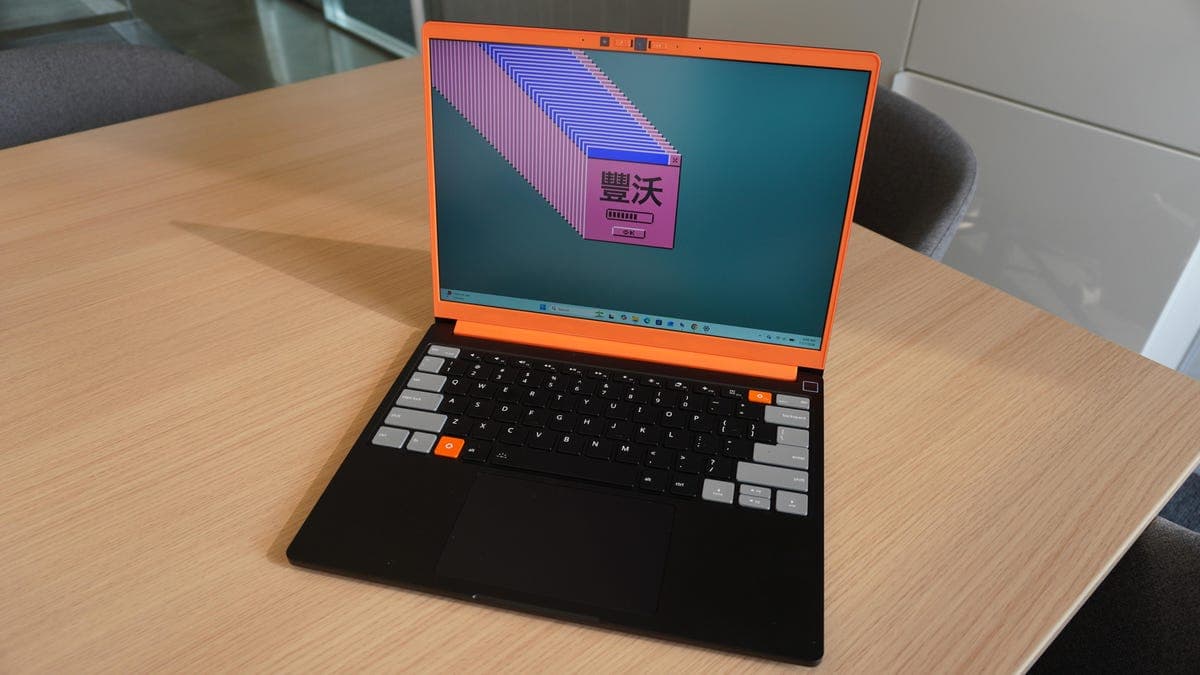
Framework has delivered a polished successor to its modular laptop line, but the Laptop 13 Pro arrives at a moment when memory prices are climbing sharply. The company's signature repairability and upgradeability remain intact, yet the cost of outfitting the machine with sufficient RAM now undercuts the value proposition for many buyers.
What the New Framework Delivers
The Laptop 13 Pro builds on the company's ethos of modularity. Every component from the keyboard to the USB-C ports can be swapped by the user. The 13.5-inch 3:2 display provides excellent color accuracy, and the new haptic touchpad replaces the mechanical clicker with a responsive, silent surface. Battery life exceeds 12 hours in mixed use, a significant improvement over the previous generation.
Framework also introduced a new expansion card system that supports USB4, HDMI 2.1, and 2.5Gb Ethernet. The chassis is made from recycled aluminum and feels sturdy without being heavy. The Plenty design language, which emphasizes clean lines and minimal branding, carries over from the earlier models.
The RAM Crisis and Its Impact
The primary challenge facing the Laptop 13 Pro is the market for DDR5 SO-DIMMs. The memory modules that give the laptop its upgradeability now cost roughly double what they did two years ago. A 64GB kit, for example, can add $300 to the total price. This undercuts the cost advantage of buying a lower-spec unit and upgrading later.
Framework, however, maintains that long-term value remains strong. Users can start with 16GB and add more when prices eventually fall. The ability to reuse RAM across future mainboards also extends the laptop's lifespan. Still, for buyers who need 32GB or more today, the upfront cost is a hurdle.
Why This Matters
Framework's mission to make electronics less disposable depends on users being able to afford upgrades. The current RAM crisis tests that model: if memory stays expensive, the financial incentive to repair rather than replace weakens. The Laptop 13 Pro remains a compelling machine for enthusiasts who value repairability above all else, but mainstream buyers may balk at the total cost of ownership. The broader implication is that the modular laptop market cannot thrive without stable component pricing. Framework must either absorb costs or lean harder on its other differentiators, such as the Plenty design philosophy and the growing ecosystem of expansion cards.
What the Competition Looks Like
Laptops from Dell, HP, and Apple offer comparable performance and build quality, often at lower prices for equivalent RAM configurations. The Framework Laptop 13 Pro, however, is the only machine that lets users swap the mainboard, keyboard, and ports. No other device in this segment offers a haptic touchpad from a third-party supplier. The trade-off is clear: modularity now comes at a premium, but it buys future flexibility.
For users who plan to keep a laptop for five years or more, the Framework approach still makes financial sense. The ability to replace a failing battery or upgrade the CPU without discarding the entire chassis reduces long-term costs. The ram crisis is a temporary setback, not a permanent flaw in the concept.
Bottom Line
The Framework Laptop 13 Pro is a well-engineered, repairable machine that delivers on its promises. The haptic touchpad, battery life, and build quality are genuinely impressive. Yet the RAM crisis forces a difficult calculation: pay more now for modularity, or buy a cheaper sealed laptop. For now, the choice depends on how much you value the freedom to repair and upgrade. The Laptop remains a strong recommendation for the environmentally conscious buyer who can accept the current price reality.