Editor: Porcia Akua Holmes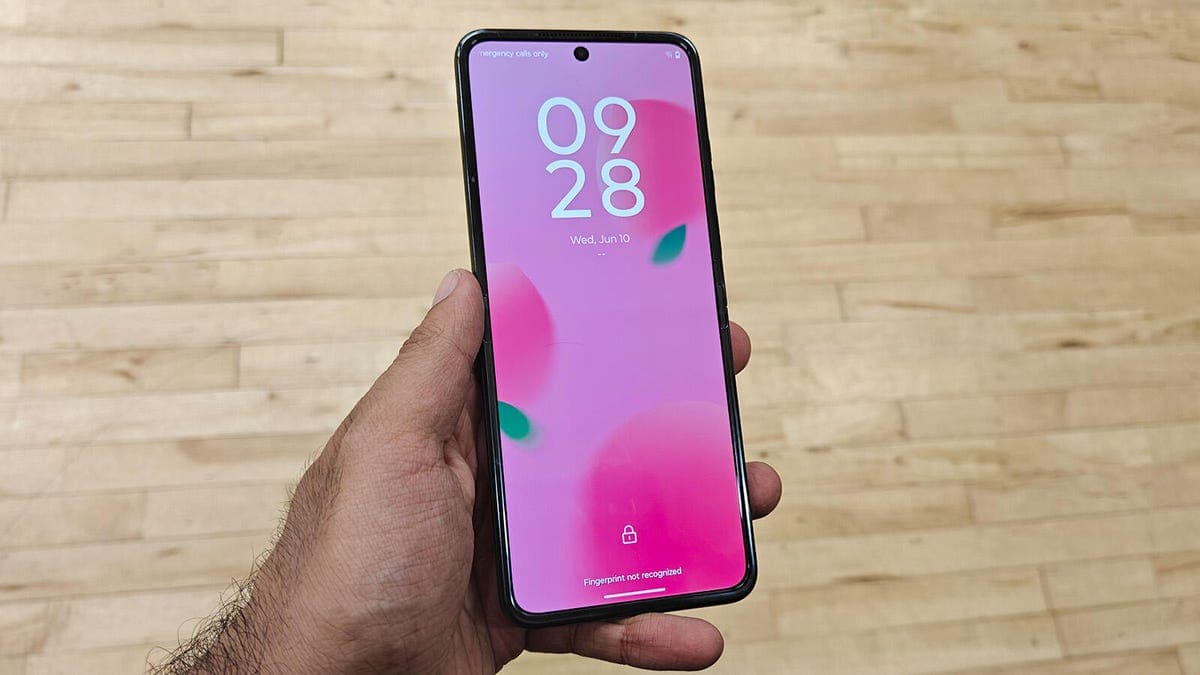
A month with a foldable phone has convinced many users that premium slab-style flagships no longer make sense. The shift points to a broader industry change where form factor innovation outweighs spec sheet bragging rights.
The Foldable Advantage
Motorola's Razr+ offers a compelling balance of portability and screen real estate. When folded, it fits easily into pockets. Unfolded, it provides a tablet-like experience. This versatility has made traditional ultra-premium phones feel bulky and one-dimensional by comparison. After using the Razr+ for a month, the appeal of a large glass slab such as the Samsung Galaxy S24 Ultra fades quickly.
Why Ultra Models Lose Appeal
Premium flagships like the Galaxy S24 Ultra pack top-tier cameras and processors. But they also force users to carry a device that is heavy and hard to use one-handed. Foldable phones sacrifice some camera quality and processing power in exchange for a design that adapts to different tasks. For many daily activities, that trade-off now feels like a win. The value proposition of a $1,200 non-folding phone has weakened as foldables improve durability and software support.
A Broader Market Shift
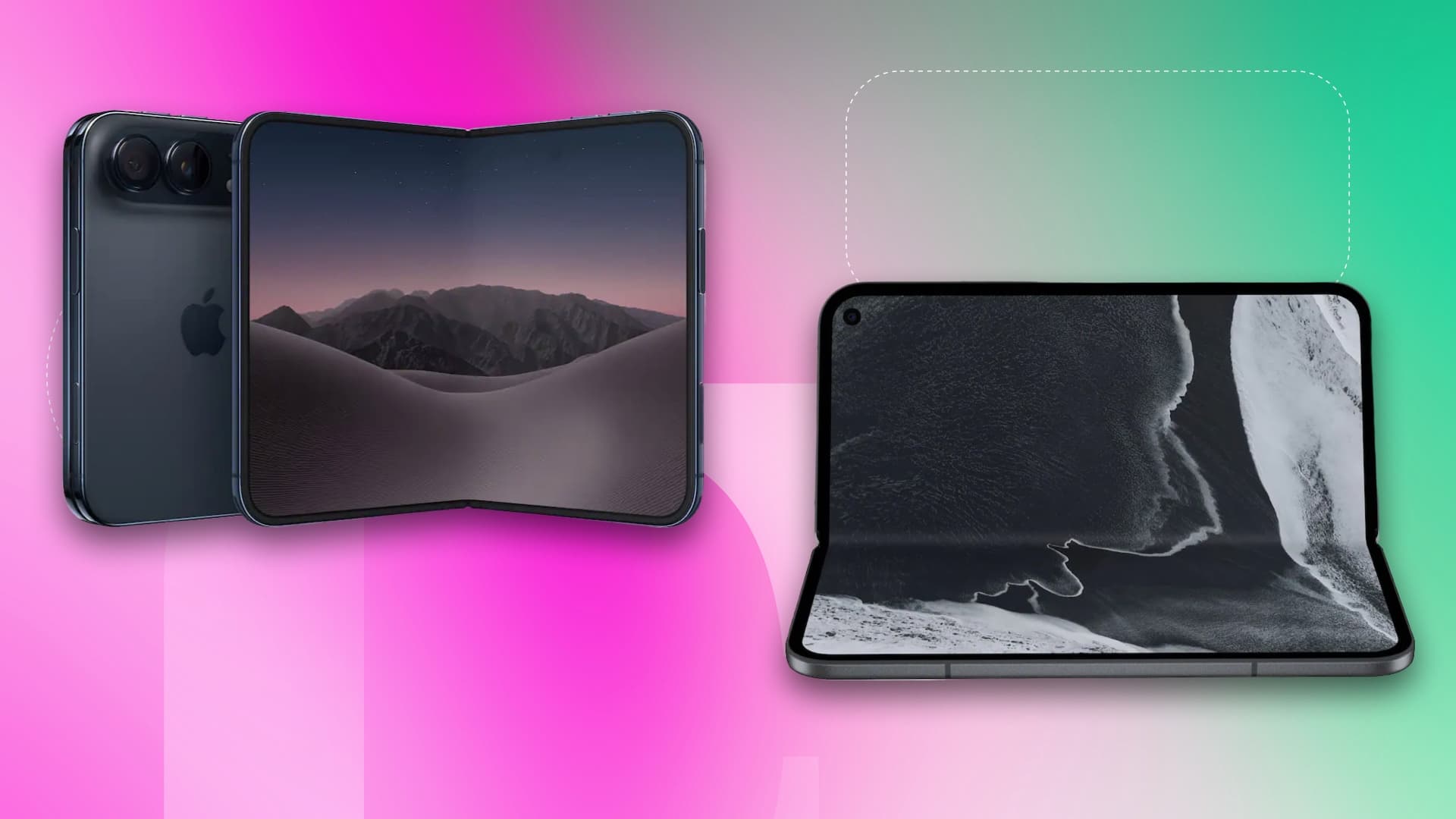
The success of foldable phones signals a long-term change in consumer expectations. Apple has not yet released a foldable iPhone. This leaves room for companies like Motorola and Samsung to define a new category. If foldables continue to improve, we may see the end of the premium slab form factor within a few years. Industry data already shows foldable sales growing at double-digit rates while the overall smartphone market stagnates.
Why This Matters
This trend directly affects millions of consumers who upgrade every two to three years. Buyers now face a choice between a traditional flagship with slightly better specs or a foldable that offers a fundamentally different experience. For the masses, the foldable option is becoming more practical and more affordable. Carriers and manufacturers must adjust their product strategies to reflect this shifting demand. The era of the glass slab as the default premium phone may be ending.