Editor: Porcia Akua Holmes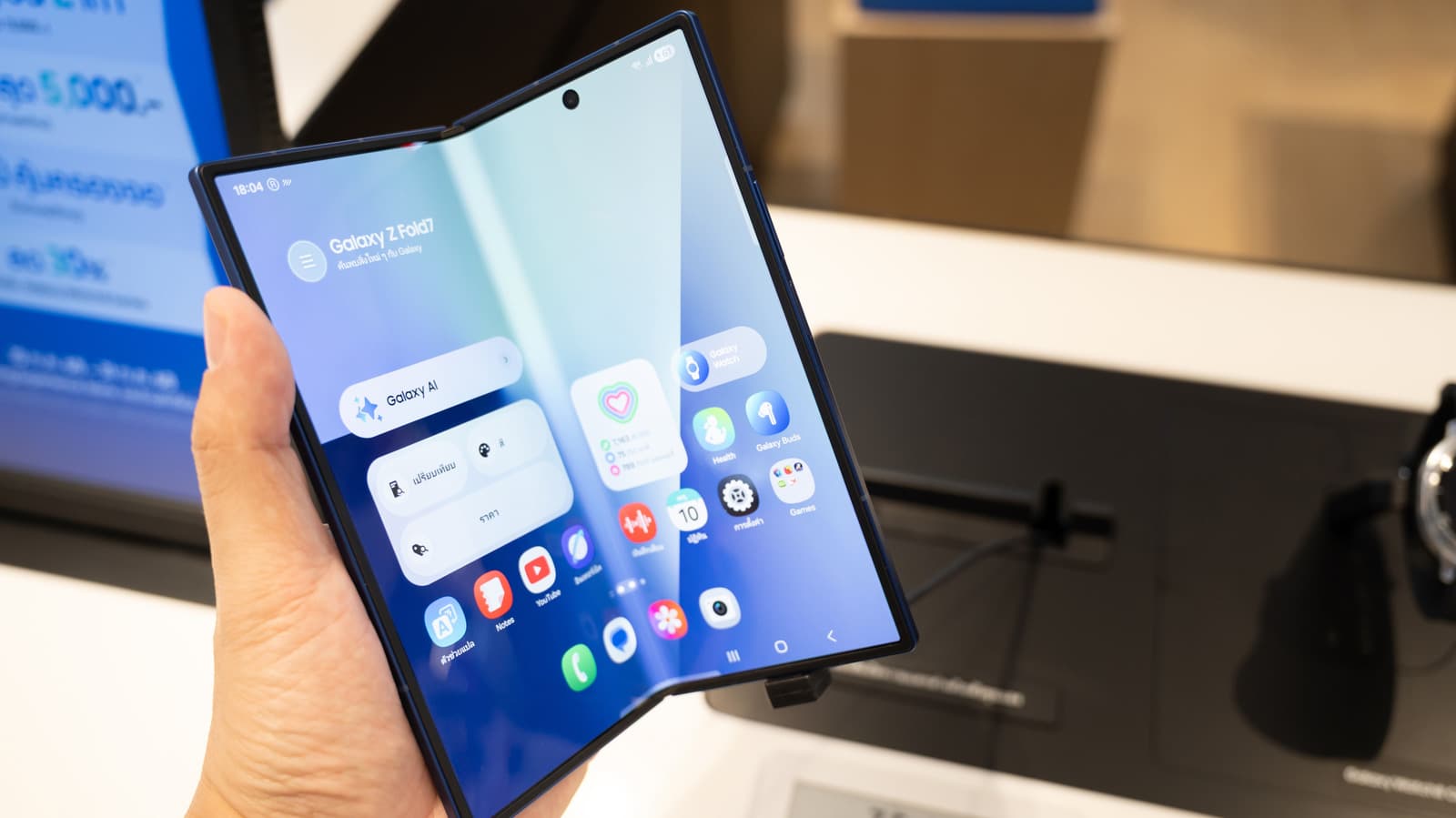
The promise of a phone that unfolds into a tablet has captivated the tech world for years. Yet for the people who actually live with foldable phones every day, the experience is a mix of genuine innovation and persistent compromise. A recent survey compiled the exact features that owners say make these devices shine or stumble, offering a clear look at where the technology stands today.
What Users Love About Foldables
Owners consistently highlight the unique ability to carry a phone-sized device that opens into a mini-tablet. The expanded screen real estate transforms how people work, watch video and browse the web. Key advantages reported by users include:
The Biggest Frustrations
No foldable phone is perfect, and owners have been vocal about recurring problems. The most common complaints revolve around the physical compromises required by the hinge and flexible display. Among the top issues:
Why This Matters
The divide between what foldables promise and what they deliver has direct consequences for the smartphone market. If manufacturers can address durability and price concerns, foldable phones could become the default form factor for power users. But if the current compromises persist, the technology may remain a niche product that appeals only to early adopters willing to accept trade-offs. For consumers, the decision comes down to whether expanded screen utility justifies the higher risk of damage and higher upfront cost. The next generation of devices will need to narrow that gap to win over the mainstream buyer.
The Road Ahead
Manufacturers are already working on stronger display materials, improved hinge seals and lower price points. Early signs suggest the crease may become less pronounced with each new model iteration. For now, anyone considering a foldable phone should weigh the productivity and entertainment benefits against the potential downsides of owning a device that remains a work in progress.
Note: This article is based on aggregated user feedback and does not endorse any specific product.