Editor: Porcia Akua Holmes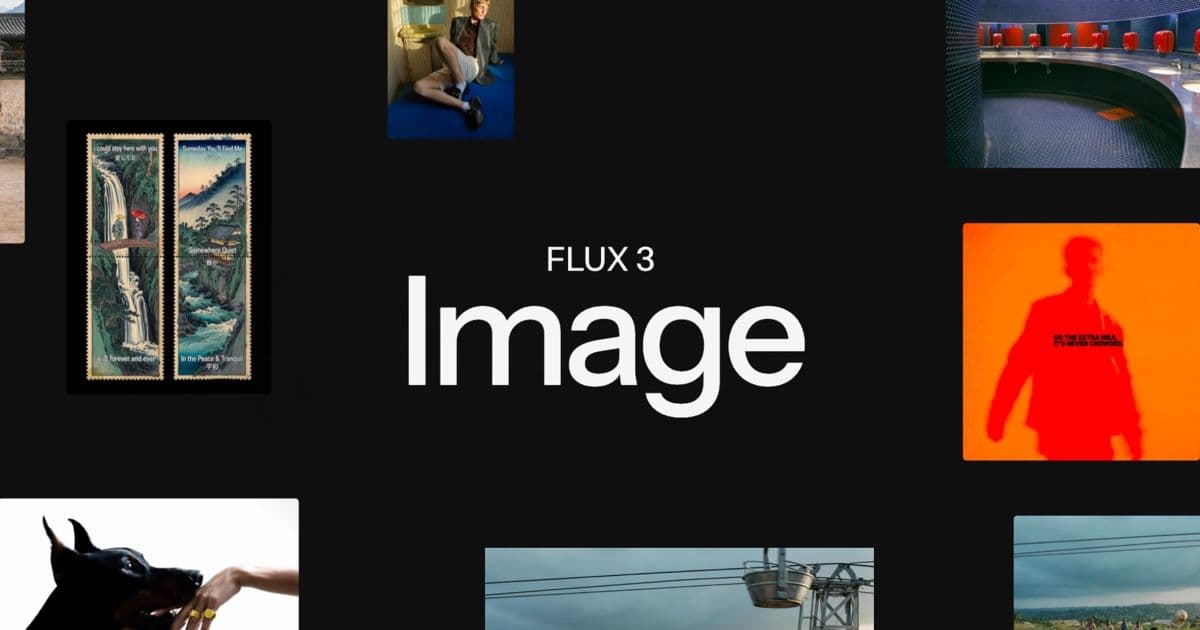
Black Forest Labs has released FLUX 3, the latest version of its open-source text-to-image generation model. The update arrives amid fierce competition among AI image tools and promises significant improvements in output quality and inference speed.
Next Generation Image Synthesis
FLUX 3 builds on the architecture that made its predecessor a favorite among developers and artists. The new model introduces a refined transformer backbone and improved latent diffusion techniques. Early benchmarks suggest it matches or exceeds the performance of proprietary models like DALL-E 3 and Midjourney on standard image quality metrics while maintaining the flexibility of an open license.
Key Improvements in FLUX 3
The developers focused on three areas that directly affect user experience:
Why This Matters
The release of FLUX 3 lowers barriers for small teams and independent creators who cannot afford expensive API subscriptions to closed models. By providing a high-performing open-source alternative, Black Forest Labs pressures proprietary vendors to improve their offerings or risk losing market share. The model's permissive license also enables customization for specialized domains such as medical imaging, game asset creation, and marketing materials. This shift could accelerate innovation in visual AI while raising questions about the sustainability of the open-source approach given the high compute costs required for training.
Competitive Landscape
FLUX 3 enters a market dominated by closed models from OpenAI, Google, and Midjourney. Stability AI's Stable Diffusion series has struggled to keep pace in quality, while newer entrants like Ideogram focus on specific niches. FLUX 3's combination of speed, fidelity, and openness could make it the default choice for developers building image generation into their applications. The active discussion on platforms like Hacker News indicates strong community interest in benchmarking and fine-tuning the model for specific tasks.