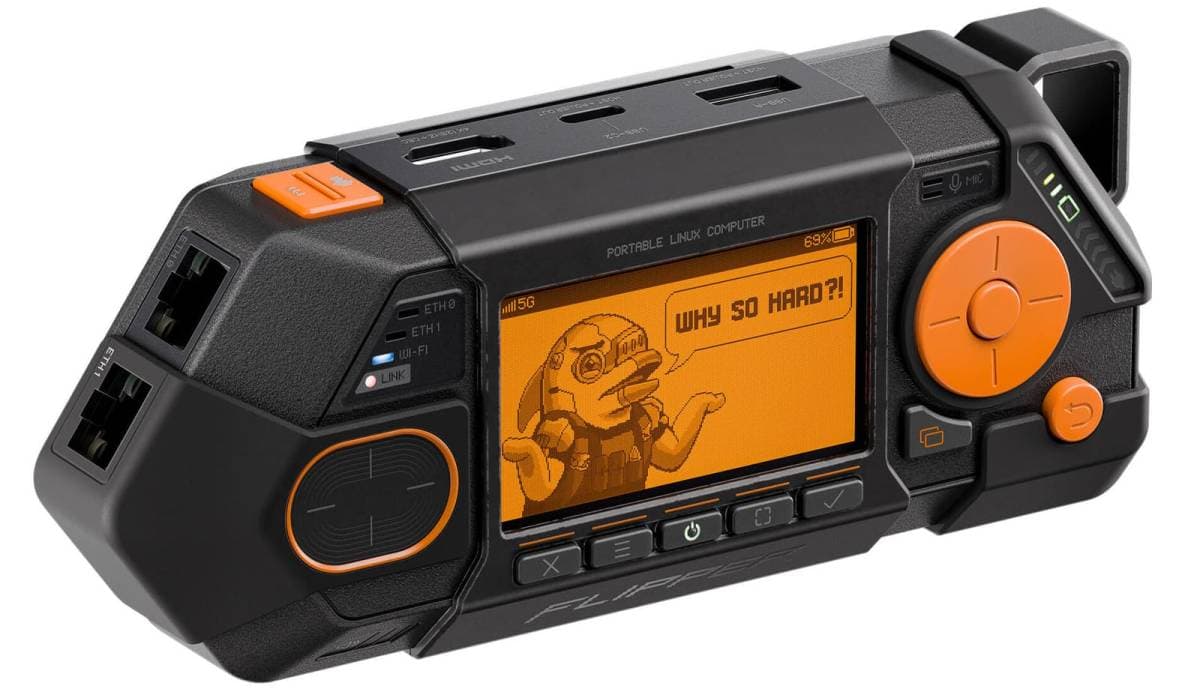
Flipper Devices, the company behind the popular Flipper Zero multi-tool, is working on a new gadget aimed at network enthusiasts. The device runs Linux and is designed for hackers and tinkerers who want to probe, analyze and interact with wired and wireless networks.
The company confirmed the development in a recent announcement but provided few technical details. The base model will carry a price tag under $350, making it accessible to a broad audience of hobbyists and security researchers.
A Tool Built for Exploration
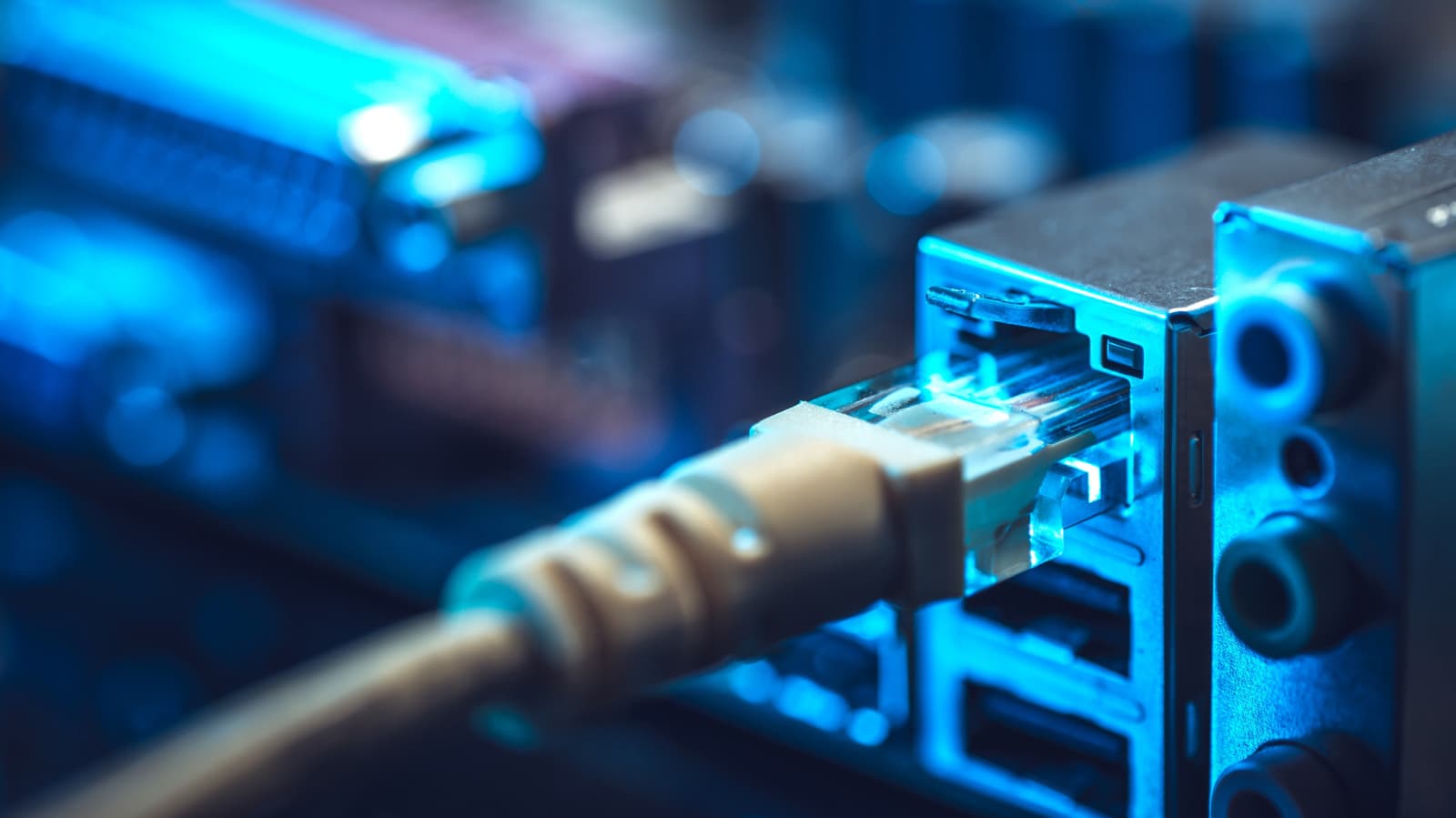
The new gadget focuses on networking capabilities. Unlike the Flipper Zero, which targets RFID, NFC and infrared signals, this device centers on Ethernet, Wi-Fi and possibly Bluetooth or Zigbee. Users will be able to capture traffic, inject packets and test network defenses.
Linux serves as the operating system, giving users full control over the software stack. This choice allows for custom scripts, third-party tools and deep integration with existing penetration testing frameworks. Flipper Devices has not yet named the product or shared a release date.
Why This Matters
Affordable, open networking tools have been scarce. Most professional equipment costs thousands of dollars. A sub-$350 Linux device from a trusted brand lowers the barrier for security education, hobbyist projects and small-scale penetration testing.
For IT students, sysadmins and ethical hackers, this gadget could become an essential learning tool. It also signals a growing market for specialized, hacker-friendly hardware that prioritizes flexibility over corporate lock-in.
What We Know So Far
Flipper Devices has a track record of delivering hardware that balances power with ease of use. The Flipper Zero sold out repeatedly and gained a cult following. The new networking gadget appears to follow the same playbook: open source, hackable and affordable.
The company plans to release more details in the coming months. Early adopters should expect a device that works out of the box but rewards those who dig deeper. Pricing below $350 puts it in competition with single-board computers and dedicated network testers.
Flipper Devices has not confirmed whether the gadget will support external antennas, PoE or advanced filtering. However, the Linux foundation suggests that community-driven enhancements will fill many gaps quickly.