Senior Editor: Alan Agbele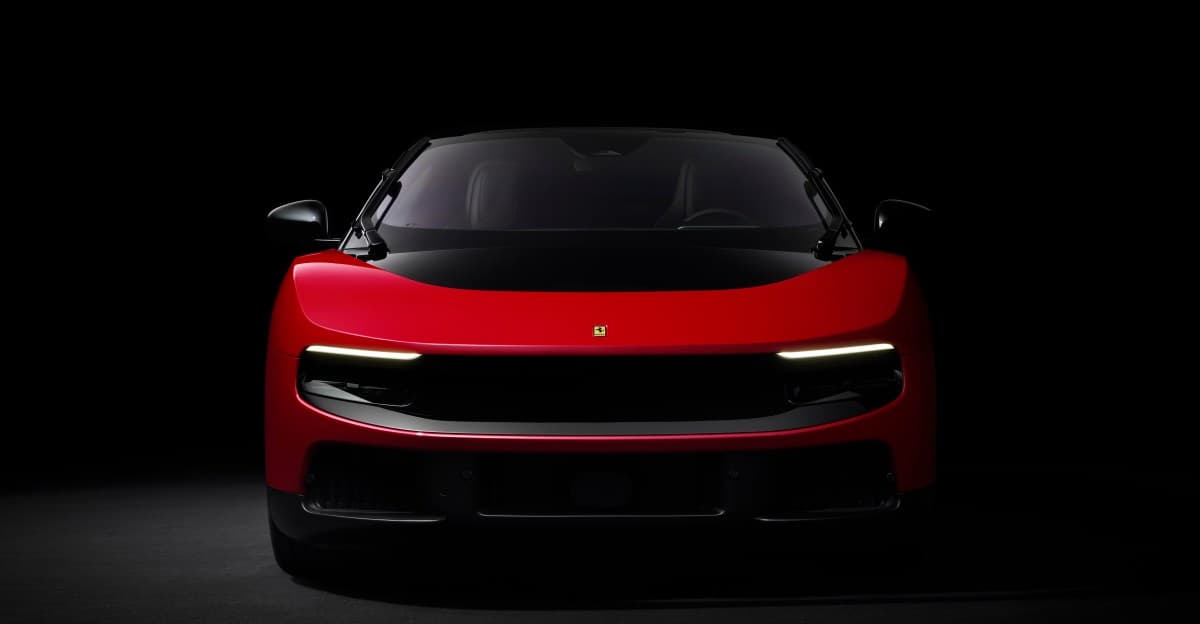
Ferrari's first all-electric vehicle is already turning heads. Not everyone likes what they see. The Luce, unveiled this month, has been compared to a mix of a Polestar and a Prius. Social media reactions range from mockery to outright disbelief. But the negative buzz may be masking a deeper truth. The Luce's design is deliberately provocative. And that could be Ferrari's smartest move in years.
The Design That Divides
The Luce breaks sharply from the smooth, aerodynamic shapes dominating electric vehicles. Instead, it features hard angles and sharp edges. This is not a mistake. Ferrari's most celebrated models, like the 1987 F40, are defined by aggressive lines. The Luce channels that heritage in an electric package. Critics call it ugly. Ferrari calls it a statement. The company is not sanding off its edges to please the mass market. That is a rare stance in an industry chasing universal appeal.
Why This Matters
Automakers are flooding the EV market with designs that prioritize efficiency over character. The result: a sea of similarly styled crossovers with minimal visual distinction. Ferrari is rejecting that trend. By embracing a polarizing look, it forces the conversation toward design identity. This matters for every car buyer. If Ferrari's approach succeeds, other manufacturers may follow. The EV market could see a shift away from uniform jellybean shapes toward more expressive, brand-specific aesthetics. That would give consumers more choice and more personality in their vehicles.
A Blueprint for the Competition
The Luce may look weird today, but it could become a blueprint tomorrow. Competitors often look to Ferrari for direction. If the Luce sells well despite the criticism, expect to see angular designs appearing on more than just supercars. The EV market is still young. Design rules are not yet set. Ferrari is betting that boldness beats caution. That bet could influence the next generation of electric vehicles. Sometimes the ugliest car in the room is actually the most important one.