Editor: Porcia Akua Holmes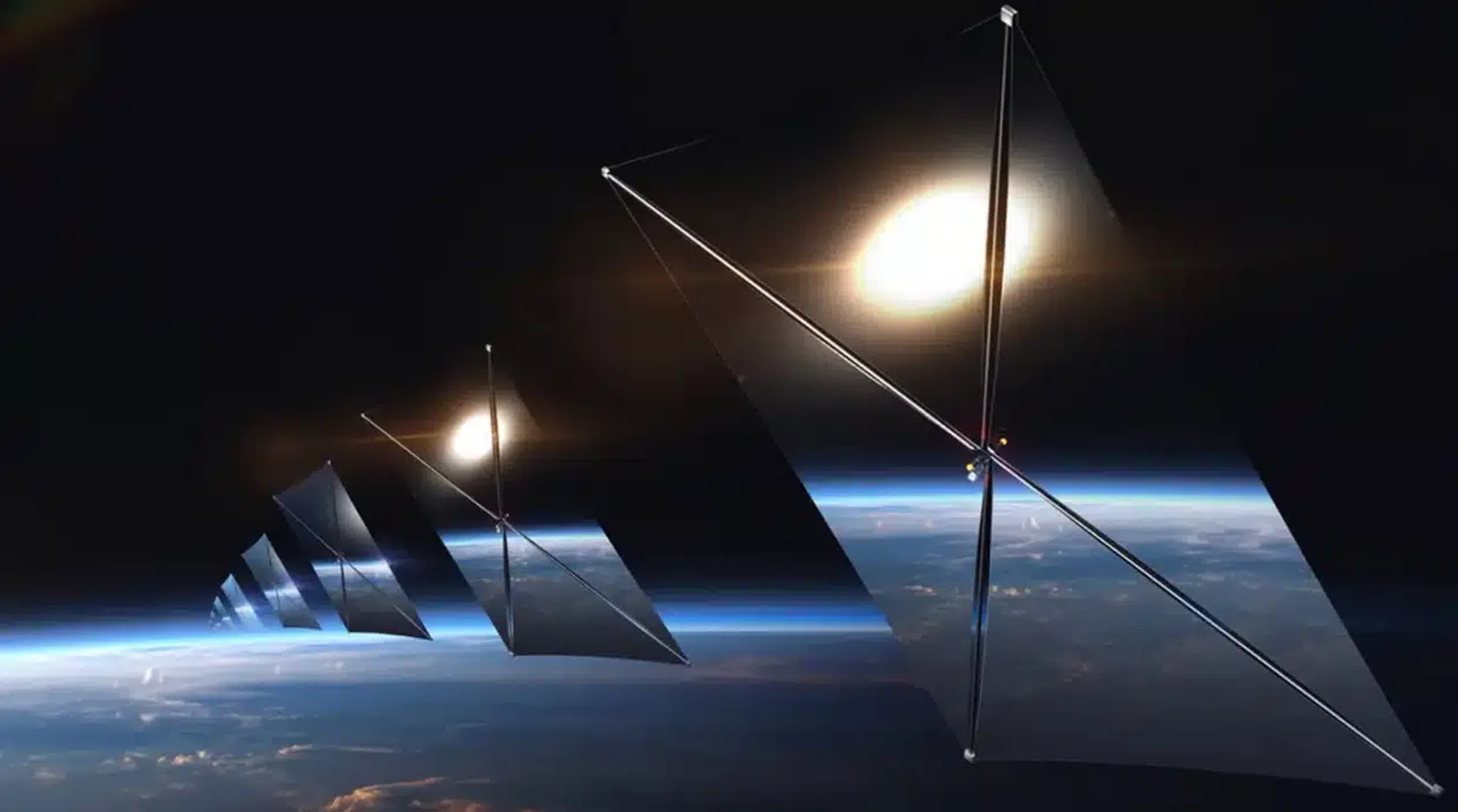
The Federal Communications Commission has granted radio operating permission to a satellite designed to reflect sunlight toward Earth after nightfall. The approval moves Reflect Orbital's Eärendil-1 demonstration mission closer to launch, with the goal of proving that orbital mirrors can deliver solar energy to ground-based receivers in darkness.
How the Orbital Mirror Works
Eärendil-1 carries a lightweight, deployable mirror that can tilt to angle sunlight onto a targeted area on Earth. The satellite operates in low Earth orbit and its mirror would illuminate a patch of ground roughly several kilometers wide. The company claims the reflected light could provide usable energy to solar farms after sunset, potentially extending solar generation into night hours.
Why This Matters
If successful, orbital mirrors could reshape how renewable energy is delivered. Solar farms currently produce no power at night, forcing grids to rely on batteries or fossil fuels. A fleet of mirrors might supply consistent sunlight to solar plants around the clock, reducing storage demands and lowering costs. But the technology introduces serious trade-offs. Astronomers warn that artificial illumination from orbit could worsen light pollution, disrupting observations and natural ecosystems. The FCC's decision sets a precedent for how such unconventional space systems are regulated, and future applications will face scrutiny from environmental and scientific groups.
Regulatory and Environmental Hurdles
Reflect Orbital still needs additional approvals for the mirror itself, including clearance from the Federal Aviation Administration for launch and from the Federal Communications Commission for any operational adjustments. The company also must address concerns about orbital debris and the potential for unintended brightening of the night sky. The test program is limited, but the outcome will influence whether regulators allow larger mirror systems in the future. For now, Eärendil-1 represents a small step toward a concept that could change how humanity uses sunlight on Earth.