Editor: Porcia Akua Holmes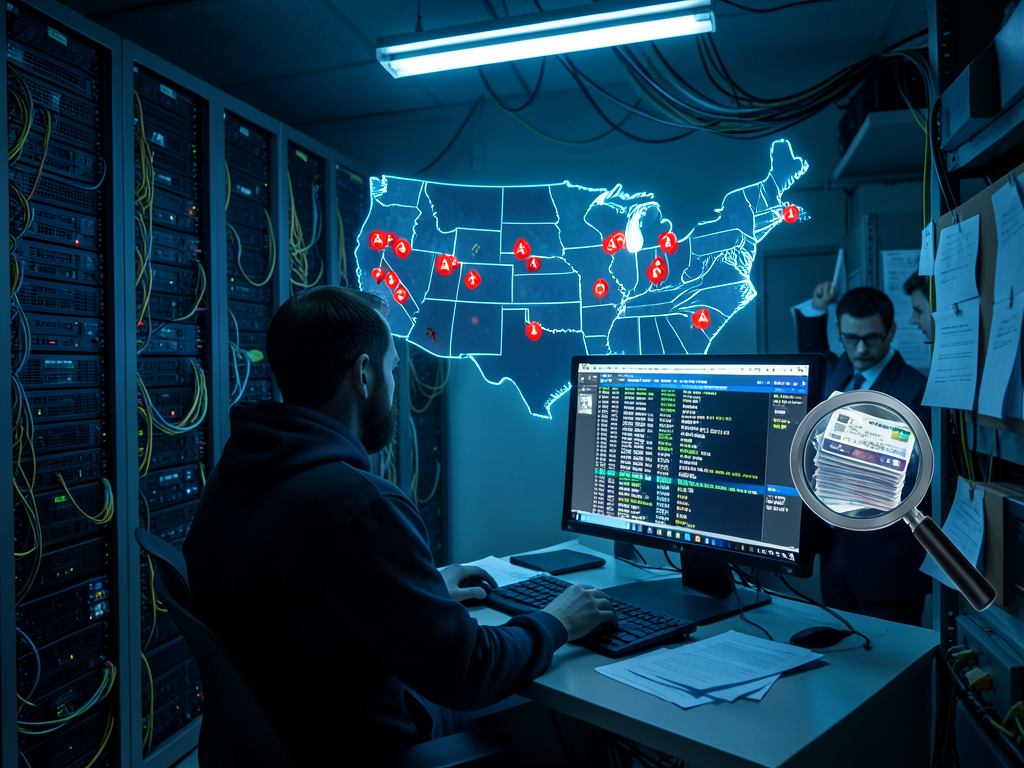
The Federal Bureau of Investigation is actively investigating a shadowy online service that claims to offer more than 153 million U.S. driver’s license records for purchase. The scale of the exposed data dwarfs previous breaches and signals an escalating threat to personal privacy.
Massive Data Exposure Confirmed
The service under scrutiny surfaced on underground forums, advertising access to driver license images, numbers, home addresses, dates of birth and physical characteristics. Preliminary analysis by third-party researchers suggests the cache includes records from multiple state departments of motor vehicles collected over several years.
Because driver’s licenses are widely accepted for identity verification, criminals can use these records to open bank accounts, file fraudulent tax returns or obtain loans. The risk of synthetic identity theft, where real Social Security numbers are combined with fake driver details, rises sharply with each exposed record.
Why This Matters
The scope of this breach dwarfs most publicly known database exposures. Unlike credit card data, driver’s license numbers cannot be easily replaced. A stolen card can be canceled; a stolen license number persists indefinitely. Consumers face years of heightened fraud risk. Meanwhile, state motor vehicle agencies, which hold the largest centralized identity repositories in the country, remain poorly equipped against targeted cyberattacks. The investigation could push regulators to mandate stronger authentication standards for access to government databases. Without immediate action, similar services will continue to profit from aggregated public and private data.
Who Is At Risk
Every person whose driver record was captured faces potential harm. Identity thieves can combine license data with other leaked credentials to bypass security checks at banks and cell phone carriers.
The FBI has asked anyone who discovers their information in the dataset to report the incident via ic3.gov. State-level data protection laws vary widely, leaving most victims without automatic notification.
Industry Reaction and Next Steps
Cybersecurity firms have begun analyzing samples of the dataset to identify patterns and trace the origin. Early indicators suggest the records were compiled over years through a combination of insider leaks and automated scraping of state applications. Some states already announced they are auditing their database access logs. Consumer advocacy groups are calling for federal legislation that would require notification within 72 hours of a breach involving government identification numbers. Until such measures become law, the burden remains on individuals to safeguard their digital identities.