Editor: Porcia Akua Holmes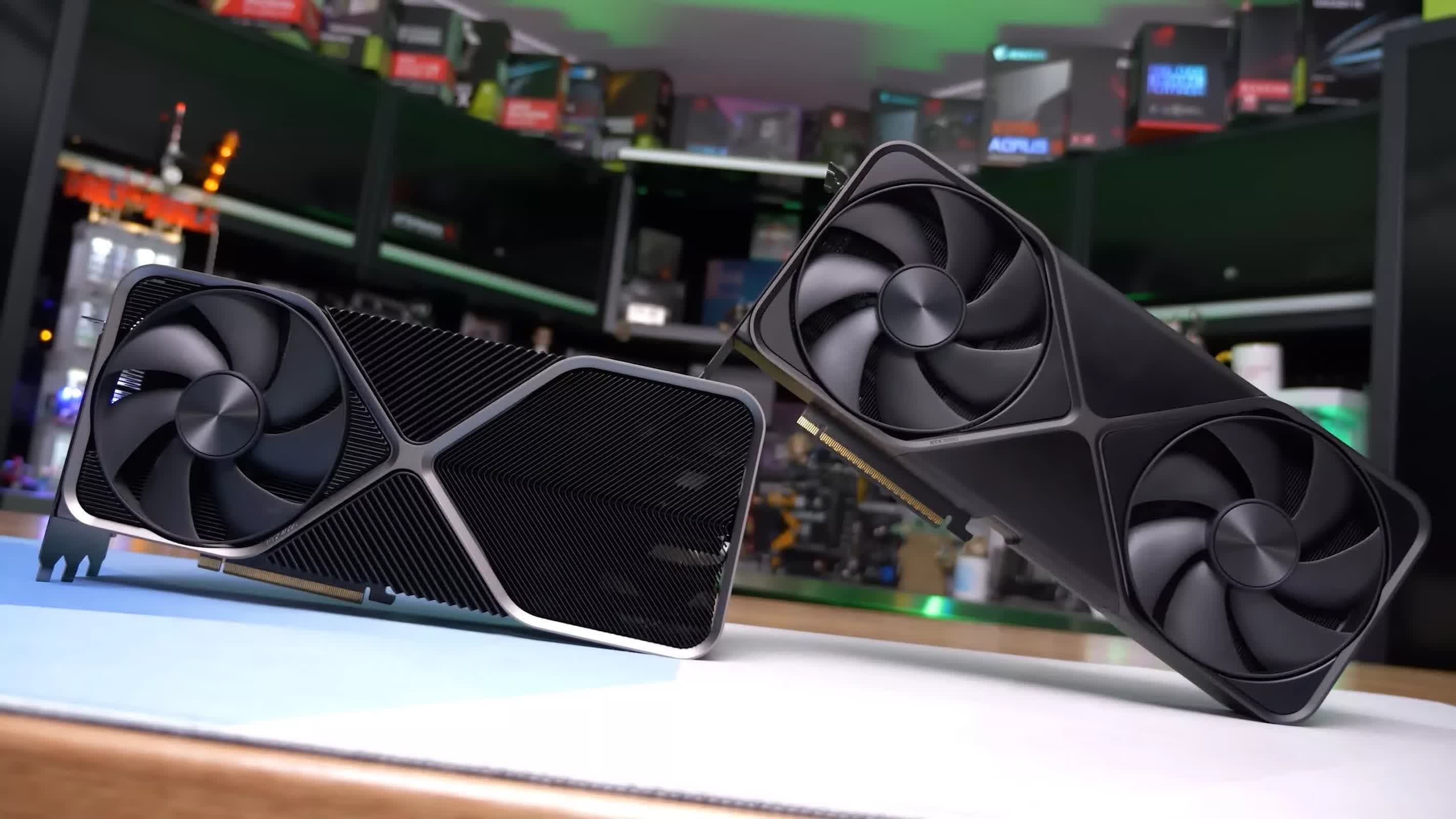
Nvidia is facing growing backlash from owners of its flagship RTX 5090 graphics card after the company denied a warranty replacement because the serial number printed on the metal bracket had become difficult to read. The affected user reported that the GPU began experiencing black-screen crashes and sent it to Nvidia for service, only to have the claim rejected due to the faded label. Other RTX 5090 owners have since come forward saying they have seen the same fading on their own cards, raising questions about the durability of the serialization and Nvidia's enforcement of its warranty terms.
How The Fading Issue Came To Light
A user on a hardware forum detailed how their RTX 5090 GPU began suffering black-screen crashes during normal operation. Before shipping the card to Nvidia for a replacement, they noticed that the serial number etched onto the metal bracket had faded to the point of being barely readable. Nvidia subsequently rejected the RMA because the serial number could not be verified against their records. Soon after, several other owners posted photographs of their own cards showing varying degrees of serial number fading on the same bracket area.
Why The Serial Number Matters For Warranty
Serial numbers are the primary identifier Nvidia uses to validate warranty coverage, track manufacturing batches and prevent fraud. If the number is not legible, the company typically treats the product as unverifiable and denies service. The RTX 5090's bracket sits near the rear exhaust vent, an area that experiences sustained heat during gaming or compute workloads. Over time, heat combined with the specific ink or laser marking used may degrade the serial imprint. Owners now face the prospect of a $2,000 card that works perfectly in terms of silicon but is effectively unserviceable due to a cosmetic defect.
Broader Patterns And User Reports
Beyond the initial denial, community threads have compiled numerous examples of faded serial numbers on RTX 5090 cards from different production batches. The problem appears concentrated on cards that have been used for extended high-performance sessions. The common complaints include:
A Design Oversight?
The decision to print serial numbers on a component that routinely operates at high temperatures may represent a structural oversight in the RTX 5090's design. Competing GPU manufacturers often place serial numbers on the circuit board or under a protective sticker that is less exposed to heat. Nvidia has not yet issued a public statement about the fading issue or offered any alternative verification method for affected cards. If the problem is widespread, the company may need to rework its production line to ensure serial numbers remain legible for the full warranty period.
Why This Matters
For RTX 5090 owners, the fading serial number could turn a high-end investment into an unserviceable product through no fault of their own. The practical consequence is that a card needing repair might be denied warranty service even if the cause of failure is unrelated to the faded bracket. For Nvidia, this risks eroding consumer trust in its support infrastructure and invites scrutiny over component durability. If left unaddressed, the issue could lead to regulatory complaints, class action exposure or a costly recall program. The coming weeks will show whether Nvidia treats this as a one-off support error or a systematic manufacturing defect that demands a formal remedy.