Senior Editor: Alan Agbele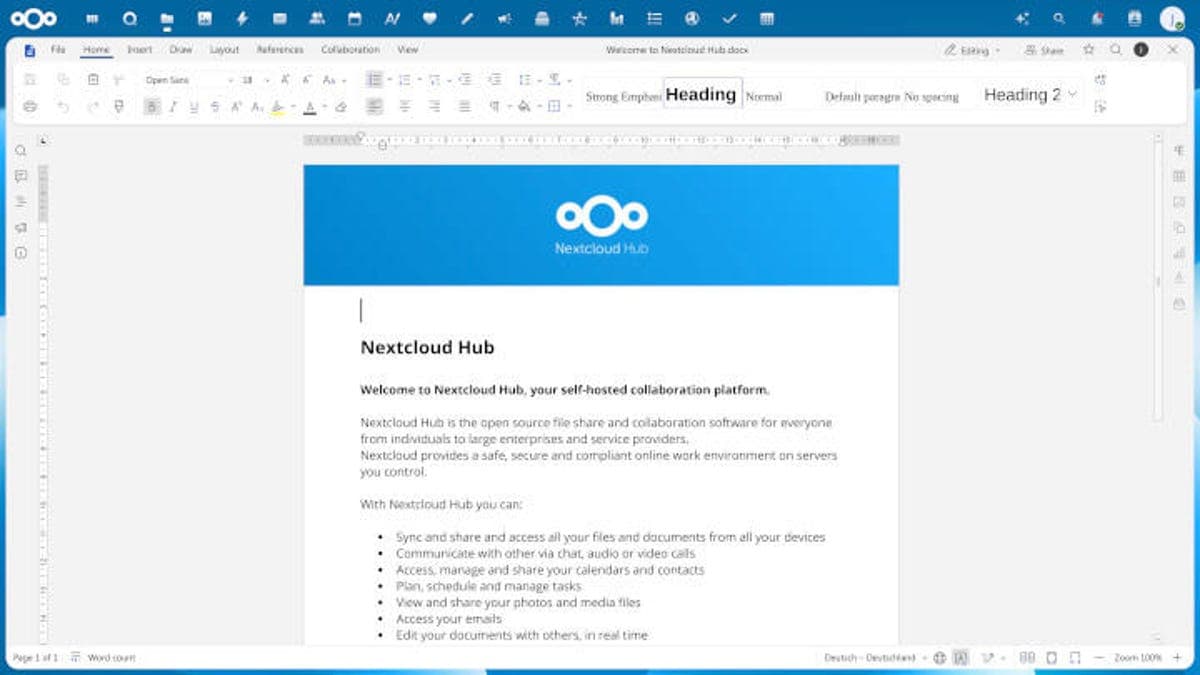
European tech companies are set to release the first stable version of Euro-Office on June 9. The open-source productivity suite aims to provide a sovereign alternative to Microsoft Office and Google Docs.
A direct competitor for the enterprise
Euro-Office is designed for governments and businesses that want to reduce reliance on US-based tech giants. The suite includes word processing, spreadsheets, presentations and email tools. It runs on Windows, macOS and Linux.
The project is backed by a consortium of European software firms. They argue that current office suites create data dependency on American cloud infrastructure. Euro-Office stores all data locally by default.
Why this matters
Governments across Europe are increasingly concerned about data sovereignty. Euro-Office gives public sector organizations a way to keep sensitive documents within their own infrastructure. Businesses that handle regulated data also stand to benefit.
The suite uses the OpenDocument Format (ODF) as its native file format. This ensures long-term access to documents without vendor lock-in. Users can still open Microsoft Office files with high compatibility.
Pricing and availability
Euro-Office will be available as a free download for personal use. Commercial licenses for organizations start at €49 per user per year. This undercuts Microsoft 365 Business Basic which costs €57 per user per year in Europe.
The software includes built-in collaboration features similar to Google Docs but without sending data through US servers. Real-time co-editing works over local networks or encrypted European cloud providers.
Market impact
The launch comes as several European cities have already migrated thousands of desktops from Microsoft Office to LibreOffice, another open-source alternative. Euro-Office differentiates itself with a unified interface designed for enterprise deployment.
The consortium plans regular security updates through its own update infrastructure based in Germany. This eliminates the need for third-party repositories or app stores controlled by non-European companies.