 Editor: Porcia Akua Holmes
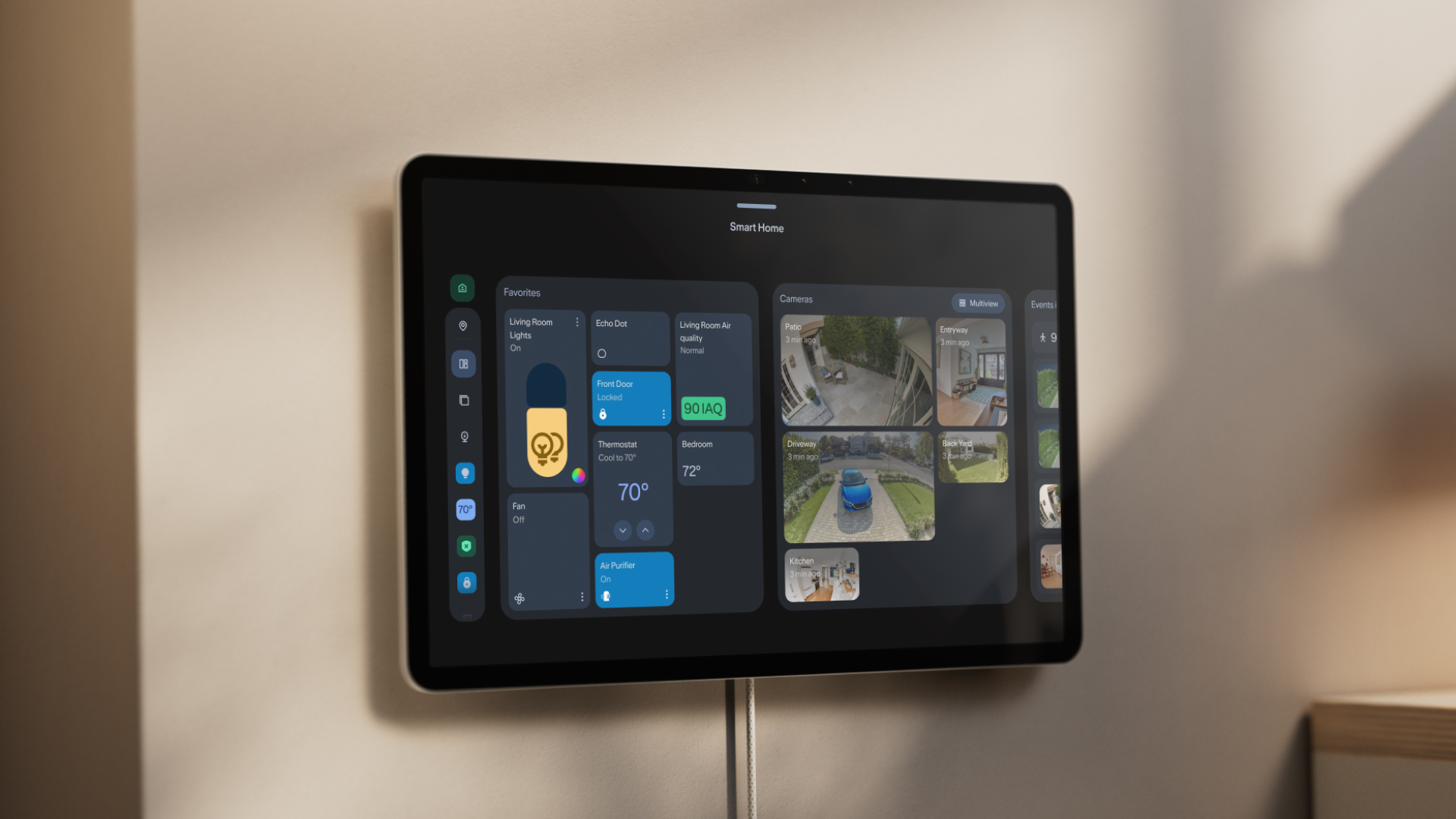
The Echo Show 16 is being framed less as a novelty screen and more as a shared household calendar, a positioning shift that says as much about Amazon's strategy as it does about the device itself. The pitch targets families and busy professionals who want a central place to track schedules, not another app on a phone.
The Shift From Personal Assistant to Household Utility
Amazon's Echo Show line began as a voice-first device with a screen bolted on. Each generation has pushed further into visual tasks: video calls, recipe browsing, security camera feeds and now calendar management.
The Echo Show 16 continues that trajectory. Its larger display makes shared schedules legible from across a kitchen, which is the room where most household coordination actually happens.
This is a meaningful change in how smart displays are sold. The value proposition is no longer about novelty or voice commands. It is about replacing the paper calendar on the fridge with something that syncs automatically.
Why Calendar Coordination Is a Hard Problem to Solve
Shared calendars are deceptively difficult. A household typically juggles multiple accounts across work, school and personal life, each with different permissions and privacy expectations.
Amazon's challenge is making the Echo Show 16 feel like a single source of truth without exposing one family member's private appointments to everyone in the room. That requires careful account handling and clear visual separation between profiles.
The device also has to handle the messy reality of family scheduling: last-minute changes, overlapping events and reminders that need to reach the right person. Voice input helps, but only if the underlying calendar logic is solid.
Why This Matters
The Echo Show 16's calendar pitch matters because it tests whether smart displays can become infrastructure rather than entertainment. If households adopt the device as their primary scheduling hub, Amazon gains a daily touchpoint that rivals phones for attention.
That shift would affect several groups directly. Families would need to trust Amazon with sensitive schedule data. Rival device makers, including Google and Apple, would face pressure to match shared-calendar features on their own screens.
Retailers and advertisers also stand to gain or lose. A device that anchors household logistics creates recurring engagement opportunities that a music player never could.
The risk is real, however. If the Echo Show 16 handles multiple calendars clumsily, buyers will retreat to phones and the device becomes another screen gathering dust. Amazon's success depends on execution, not marketing.
The Competitive Landscape for Shared Screens
Amazon is not alone in chasing the household coordination market. Google's Nest Hub line has long emphasized shared family features, and Apple's HomePod and iPad combinations offer similar capabilities for users inside its ecosystem.
The Echo Show 16 differentiates itself through size and Amazon's aggressive pricing strategy. A larger screen makes shared calendars more usable, but it also raises expectations about display quality and placement in the home.
Amazon's broader advantage is its integration with Alexa, which already handles shopping lists, timers and reminders in millions of homes. Extending that into full calendar management is a natural next step, provided the company can make the experience feel seamless.
What Buyers Should Watch Before Committing
Anyone considering the Echo Show 16 as a family calendar should test a few practical scenarios first. The device needs to handle real household complexity, not just a demo setup.
Privacy settings deserve close attention. Shared screens in common areas can expose personal appointments if profile switching is not enforced properly.
Long-term value also depends on software updates. Calendar features that feel limited at launch may improve, but buyers should not assume that. The Echo Show 16 is a promising step toward the smart calendar concept, though it remains a device that must earn its place on the kitchen counter.


