Senior Editor: Alan Agbele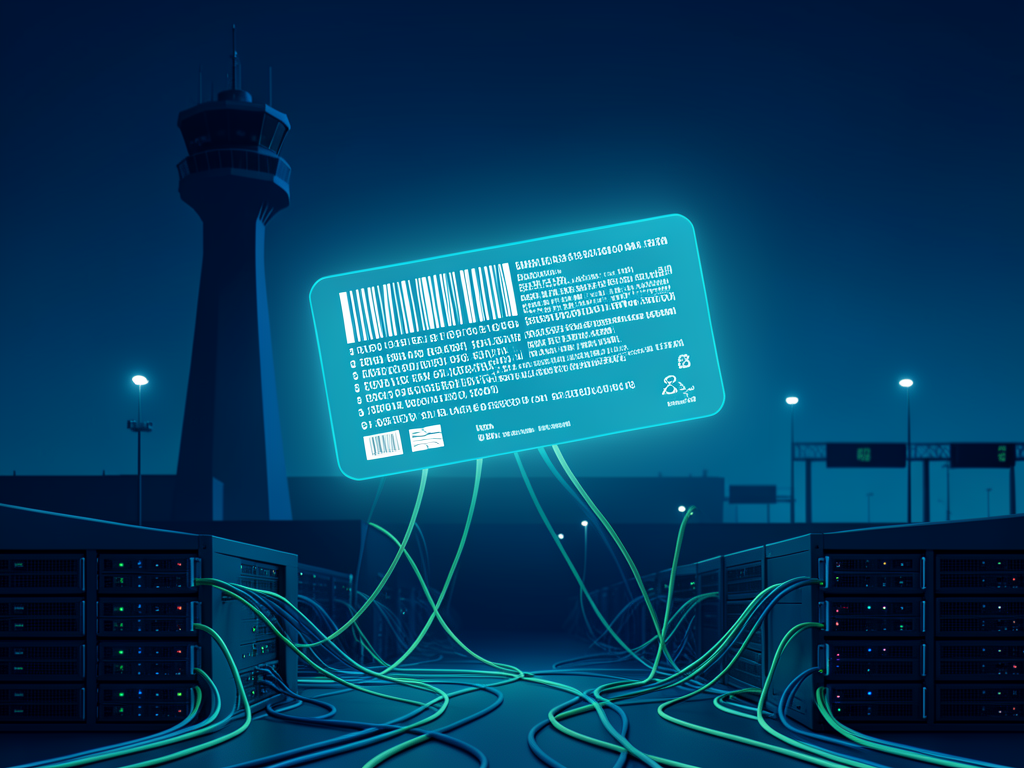
Governments worldwide are turning e-invoicing into a real-time clearance process. Your business can no longer treat tax as a back-office function. An invoice must now pass through a government exchange system and clear required checks before it is considered issued. Goods may sit in warehouses until the electronic document is authorized. This shift mirrors the evolution of air travel security over the past two decades.
The Boarding Pass for Transactions
Today, every stage of a flight depends on passing a series of checks before moving forward. Passports, visas, digital check-in and security checkpoints all must be cleared. For invoices, the same principle applies. The tax authority's clearance acts as the transaction's boarding pass. When the clearance check fails, nothing moves. This model is already in place in markets like Brazil, where the NF-e system requires approval before goods can ship, and in Italy, where the SDI model mandates passage through the tax exchange system.
Just as a boarding pass proves a passenger has cleared security, an invoice clearance confirms compliance. However, that confirmation says little about the broader system behind it. Businesses must ensure their data remains accurate, access controls are maintained and integrations function correctly. The compliance checkpoint has moved earlier in the process, and it now touches logistics as much as finance.
The Concentration Problem
When compliance depended on paper processes and manual checks, risk was spread across many touchpoints. Today, that risk is increasingly concentrated within a small number of digital systems. Every integration between billing tools, software providers and external systems creates potential entry points for cybercriminals. Businesses with well-governed, integrated systems can manage this risk better. But when invoicing is treated as a standalone system, the connections between it and the rest of the business become weak points for attackers to exploit.
Why This Matters
The shift to real-time clearance changes who is affected and how. For businesses, compliance is no longer a back-office function handled after a sale. It is now a prerequisite for moving goods and processing payments. A single clearance disruption can delay shipments, interrupt cash flow and stall day-to-day operations. For cybercriminals, the concentration of billing, vendor and payment data in a few digital systems creates high-value targets. The language around compliance needs to shift. E-invoicing is not just a platform for exchanging invoices. It is a critical business system that requires security and governance built in from day one. A cleared invoice inside a poorly protected environment does nothing more than move potential exposure to somewhere harder to see.
Beyond Clearance
A boarding pass gets a passenger through the gate, but behind it sits a network of systems handling identity checks, payments and security screening. Tax compliance is beginning to look the same. Passing a clearance check is not the same as proving the wider system remains trustworthy. This is the digital passport problem. Just as modern airports use intelligent systems to spot anomalies and identify risks, AI can help businesses monitor increasingly complex compliance environments. However, AI does not fix poor governance or clean up bad data. Applied to a well-managed environment, AI can identify anomalies early and improve decision-making. Applied to a poorly managed one, it simply accelerates existing issues and makes them harder to contain. Good people, good processes and good data must come first. AI can act as an accelerant, but it cannot replace the fundamentals.