Senior Editor: Alan Agbele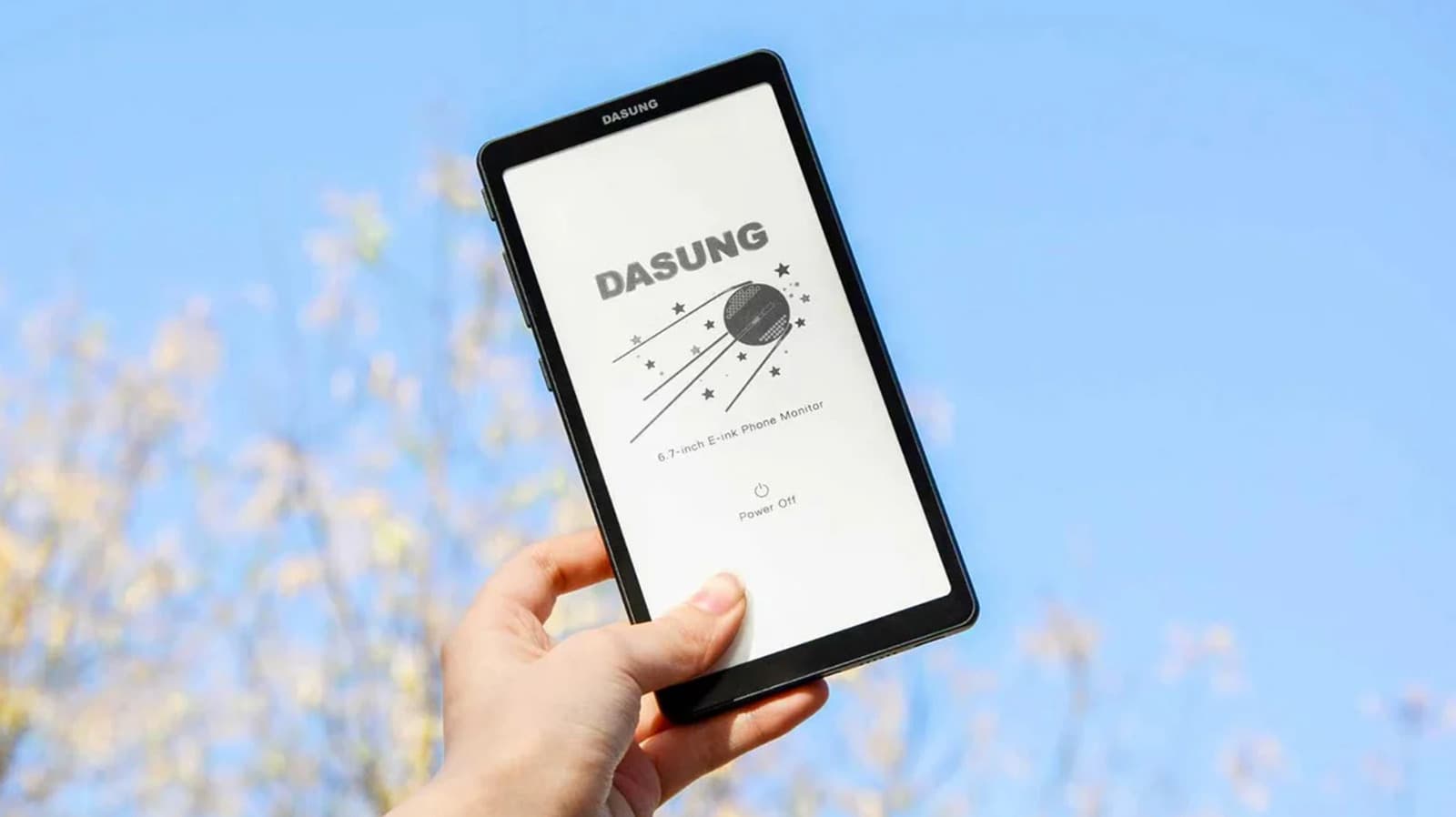
The Link 2 offers a solution for those caught between the comfort of an e-reader and the full functionality of a smartphone. This gadget replaces your phone screen with an E Ink display, aiming to reduce eye strain and extend battery life while keeping core apps accessible.
How the Link 2 Works
The Link 2 attaches magnetically to the front of a smartphone, replacing the standard display with a high-resolution E Ink panel. It maintains touch input and visibility of essential information like messages, maps and notifications. Users can toggle between the regular screen and the e-ink layer, preserving battery when performing low-intensity tasks such as reading or checking the time.
Why This Matters
The arrival of the Link 2 signals growing demand for digital wellness tools that do not require leaving the smartphone ecosystem. For frequent readers, the device could reduce the need to carry a separate e-reader, cutting device clutter. For the broader market, it validates the concept of modular, secondary displays that prioritize health and battery efficiency. If adopted widely, such accessories could push phone manufacturers to integrate e-ink screens as standard features, fundamentally changing how users interact with their devices daily.
The Broader Trend Behind E-Ink Smartphones
The Link 2 joins a small but expanding category of products that combine e-ink with smartphone functionality. Companies like YotaPhone and Hisense have released phones with dual displays, one of which is an E Ink panel. Those devices, however, remain niche and often require software compromises. The Link 2 sidesteps this by being an accessory, letting users keep their existing smartphone while adding an e-ink layer. This approach lowers the barrier to entry and could accelerate adoption among consumers curious about screen alternatives.
Analysts note that the e-ink accessory market has room to grow as awareness of digital eye strain increases. The Link 2's design as a magnetic overlay means it can work with multiple phone models, though compatibility lists remain limited. Future iterations could include wireless connectivity for notifications without waking the main screen, further saving power.
Competing Priorities and User Considerations
Adopting the Link 2 involves certain trade-offs. The e-ink screen lacks color and has a slower refresh rate, making video playback and gaming impractical. Users must also accept the added bulk of a magnetic cover. For those who prioritize reading and low-distraction interfaces, these limitations may be acceptable. The gadget's success will depend on how well it balances the convenience of an always-visible auxiliary screen against the expectations of a modern smartphone experience.