 Senior Editor: Alan Agbele
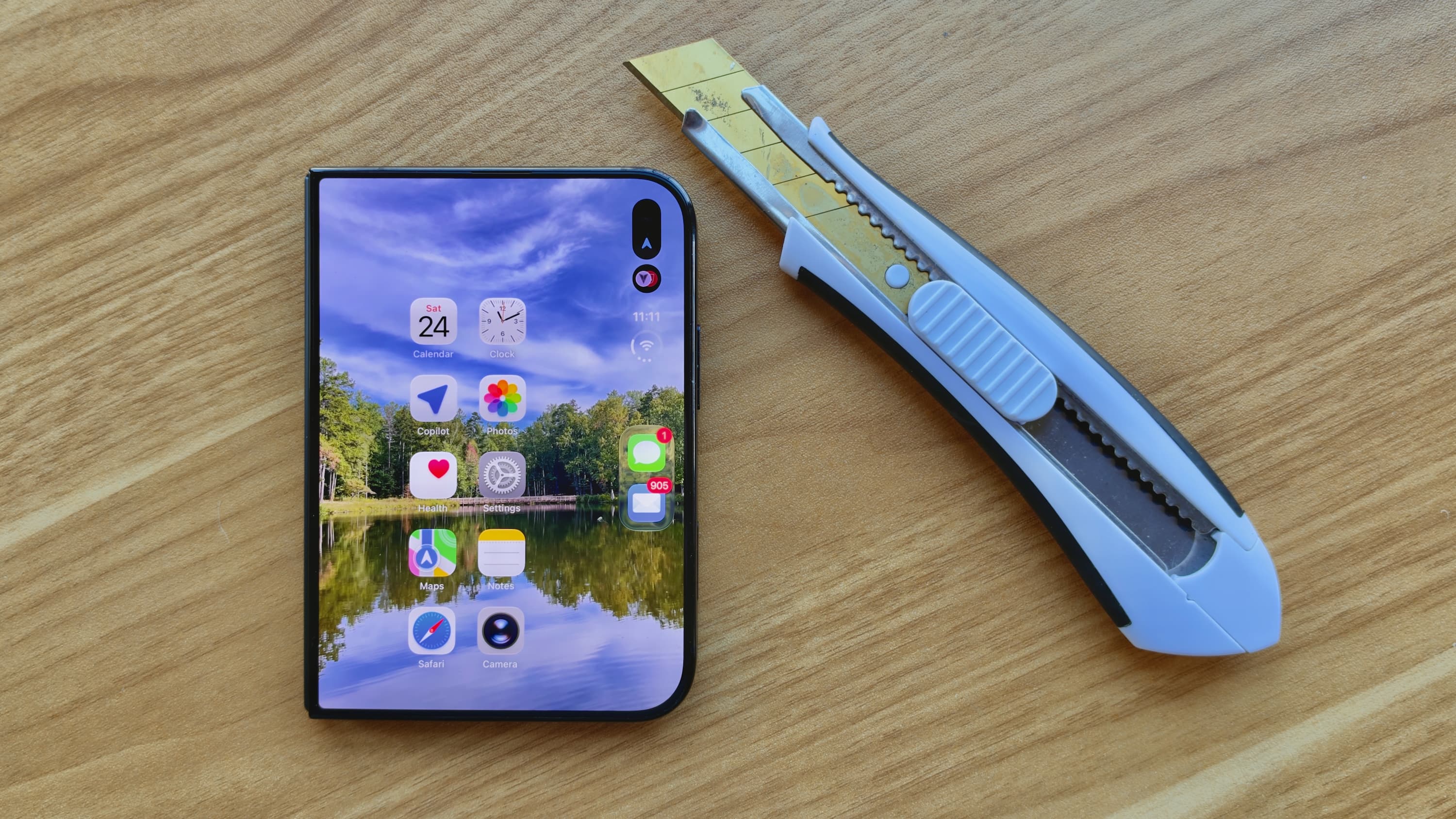
Two flagship iPhones worth roughly $2,000 combined met an unusually violent end this week. A creator subjected the devices to dirt, fire, knives and medieval chainmail in a single session, turning a routine durability check into a spectacle of deliberate destruction.
The Economics of Destroying a $2,000 Device
Destroying two premium smartphones is not a cheap stunt. At roughly $1,000 per unit, the creator absorbed a significant cost for a single video. That math only works because the content itself generates revenue through advertising, sponsorships and platform payouts.
The format has become a reliable genre. Creators buy the latest hardware, subject it to escalating abuse and publish the results within days of launch. The more expensive the device, the higher the perceived stakes and the stronger the click incentive.
None of these conditions appear in the IP68 standard, which covers only fresh water immersion and dust ingress under controlled laboratory settings. The chainmail segment in particular serves spectacle rather than science.
Why Manufacturers Rarely Respond
Apple and other major phone makers generally avoid commenting on destructive third-party tests. Their warranties explicitly exclude damage from fire, blades and deliberate abuse, so the results carry no legal or commercial weight for them.
This silence, however, does not mean the videos are irrelevant. Consumer perception of toughness is shaped heavily by what people see online, even when the test conditions fall far outside normal use. A phone that survives a knife scrape earns a reputation boost that no spec sheet can match.
Manufacturers, meanwhile, continue to invest in materials like ceramic shields and titanium frames. Those investments are marketed through drop tests and water demonstrations, not through chainmail gauntlets.
Why This Matters
The real consequence lands on buyers who treat viral durability clips as buying advice. A device that fails a fire test is not defective, yet the footage can still steer purchase decisions away from an otherwise capable product.
For the industry, the trend raises a quieter question about how toughness gets defined. Certification bodies test for realistic hazards, while creators test for maximum drama. Those two standards will keep diverging as long as destruction drives engagement.
Consumers who want meaningful durability data should look for repeatable drop tests and repair-cost comparisons. Entertainment value and engineering evidence are not the same thing, and the $2,000 iPhone demolition makes that distinction unusually clear.


