Editor: Porcia Akua Holmes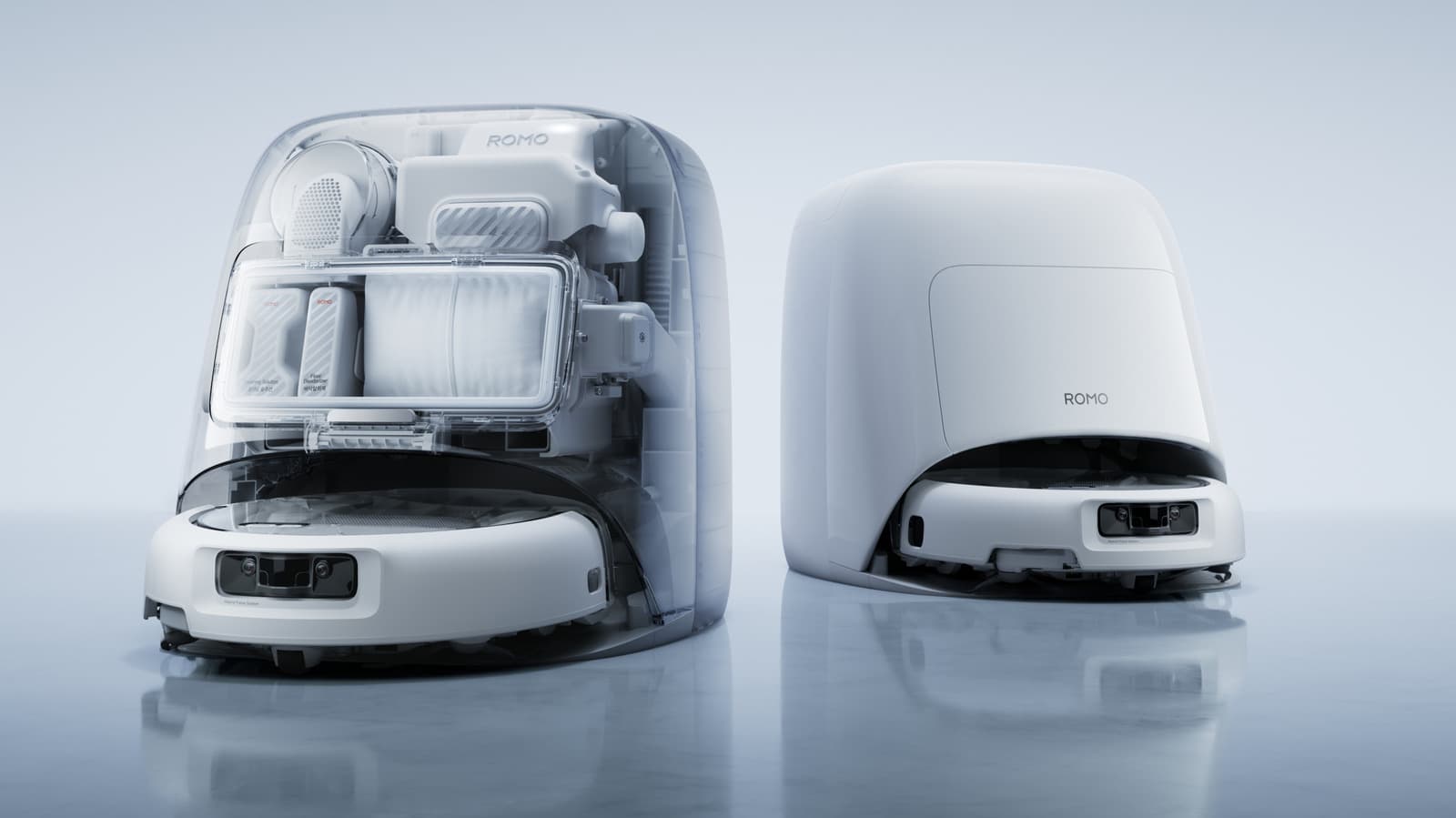
Drone maker DJI has long faced questions about data security, with its aerial platforms banned by some government agencies over privacy allegations. Now the company is trying a different approach: robot vacuums that put privacy front and center. DJI’s new ROMO 2 lineup launches with hardware upgrades and a strong promise that customer mapping data never leaves the device.
The ROMO 2 Lineup
The ROMO 2 series includes multiple models, each built around a LiDAR navigation system that scans rooms without using cameras. This approach avoids capturing images that could raise privacy worries. The vacuums also gain improved obstacle avoidance that can detect cables, pet waste and small objects on the floor. DJI added a mopping arm for wet cleaning tasks, making the ROMO 2 a dual-function machine that can vacuum and mop in a single pass.
Privacy as a Selling Point
DJI is marketing the ROMO 2 as a device that processes all mapping data locally. The robot creates a floor plan using LiDAR and immediately discards raw sensor data. No Wi-Fi connection is required for the vacuum to navigate or clean, and users can opt to keep the device offline entirely. This approach directly addresses the criticism that earlier DJI drone software transmitted user data to servers outside the owner’s control. By designing a product that functions without cloud dependency, DJI aims to differentiate itself from other robot vacuum makers, many of which rely on camera-based systems that send images for processing.
Why This Matters
DJI’s robot vacuum push is a high-stakes test of whether a privacy-oriented product design can overcome a company’s troubled reputation. The drone division remains under scrutiny from regulators in the United States and Europe, with some bans still in place. Success in the vacuum market will depend on how effectively DJI convinces consumers that the ROMO 2 operates under a different philosophy than its drones. If the vacuums win over privacy-conscious buyers, DJI may gain a foothold in the growing home robotics sector. Failure to prove its privacy claims could deepen the trust gap. Competitors including iRobot and Roborock already lead the category, so DJI needs a clear reason for customers to switch. The ROMO 2’s local-data model may provide that reason, but skepticism will persist until independent audits confirm the company’s promises.