Editor: Porcia Akua Holmes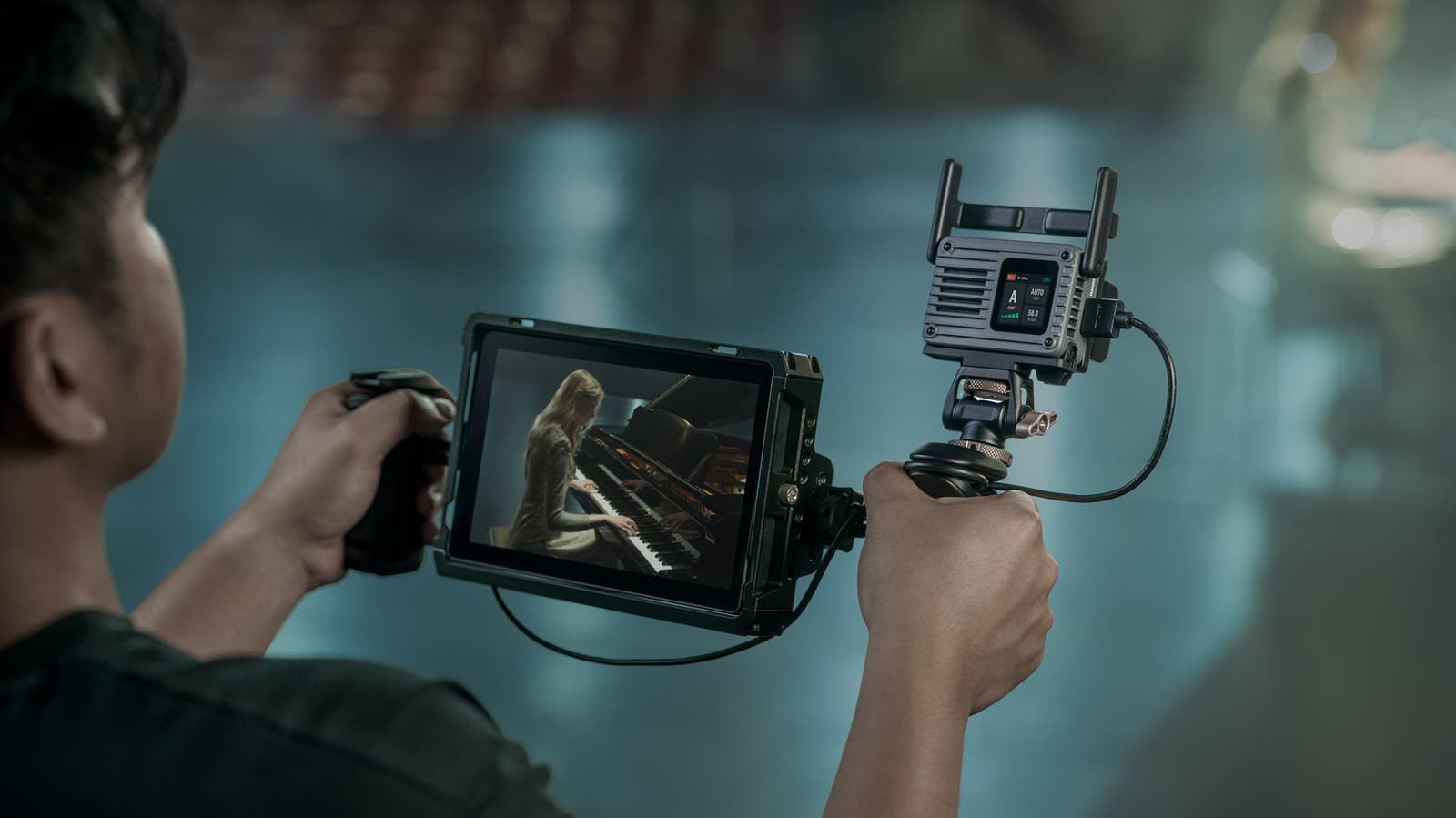
DJI has introduced the SDR Transmission II, a wireless video transmission system capable of sending 4K video at 60 frames per second with HDR support across distances up to 2.5 miles. The system targets professional filmmakers and drone operators who require reliable long-range video feeds without signal degradation.
Core Features and Improvements
DJI equipped the SDR Transmission II with dual-band frequency support (2.4 GHz and 900 MHz) to maintain stable connections in crowded RF environments. The system uses SDR (Software Defined Radio) technology for adaptive frequency hopping and reduced interference. Key specifications include:
The transmitter and receiver are designed for modular integration with DJI's ecosystem, including Ronin gimbals and Inspire drones. The system also supports dual-operator control, where one person flies the drone while another handles the camera feed.
Why This Matters
For drone operators and film crews, wireless video transmission is often the weakest link in production. The SDR Transmission II reduces reliance on bulky external transmitters and external battery packs, simplifying on-site setup. DJI's deep integration with its own hardware gives it a latency advantage over third-party solutions, and the SDR platform allows firmware updates to improve performance over time. This system could expand creative possibilities for location shoots in remote areas where cellular or Wi-Fi links are unreliable.
Beyond aerial cinematography, the SDR Transmission II is likely to find use in ground-level applications such as live event streaming, virtual production stages and multi-camera sports coverage. DJI's expansion into broader professional video tools signals that reliable wireless video is no longer a niche requirement but a core production need.
Market Impact
DJI already dominates the consumer and prosumer drone market, and the SDR Transmission II strengthens its hold on the professional video transmission segment. The system competes directly with established brands like Teradek and Hollyland, but DJI's ecosystem integration and software ecosystem give it a distinct edge. The timing aligns with growing demand for wireless video in live event production and virtual production studios, where cable-free workflows are increasingly standard.
Filmmakers and drone operators who already own DJI cameras and gimbals will find the SDR Transmission II a natural upgrade. For those outside DJI's ecosystem, the system still offers a standalone transmission solution with competitive specs. The market for high-end wireless video transmission is growing as productions demand higher resolution and lower latency without sacrificing reliability.