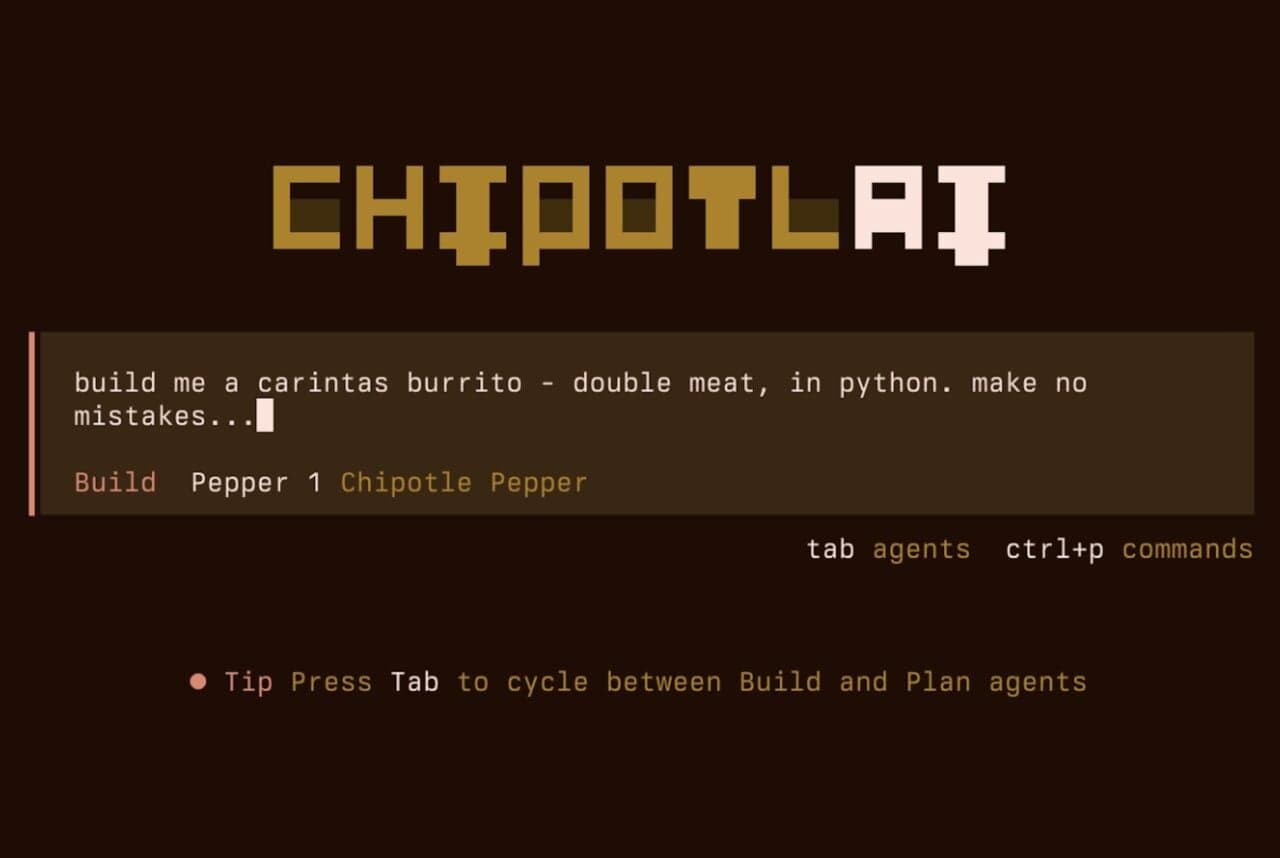
A developer recently gained attention for repurposing Chipotle's customer service chatbot into a personal coding assistant. The move revealed a broader vulnerability in how companies deploy AI chatbots. It also sparked a debate about the ethics and security of using public-facing AI for unintended purposes.
The developer shared a method online that allowed the Chipotle bot to ignore its original instructions. Instead of answering questions about burrito orders, the chatbot processed programming queries. The process involved crafting specific prompts that overrode the bot's built-in restrictions. This technique is known as jailbreaking.
How the Hijacking Worked
Corporate chatbots often run on large language models. These systems are designed to follow a set of rules and respond within a narrow domain. But determined users can sometimes bypass those rules. The Chipotle bot was no exception.
The developer fed the bot a series of commands that redefined its purpose. The bot then stopped acting as a customer support agent and began writing code. The entire process was documented and shared publicly. This gave others a step-by-step guide to replicate the exploit on similar systems.
The case is not unique. Researchers have shown that many corporate chatbots lack proper safeguards. Simple prompt injections can turn a flight booking bot into a tool for generating marketing copy or even harvesting data.
Why This Matters
This exploit has real consequences for businesses and consumers. Companies that deploy chatbots risk having their AI tools abused for free computation. That costs money. Each query consumes computing resources, and heavy usage can drive up cloud bills.
There is also a privacy risk. When a chatbot is hijacked, it may reveal internal training data or expose customer information. The Chipotle incident did not report a data breach, but the potential is real. Enterprises must now treat AI chatbots as attack surfaces requiring constant monitoring and updates.
For users, the incident raises questions about trust. If a company's bot can be turned into a different tool, how reliable are its responses? And who is liable if the hijacked bot produces harmful or incorrect advice?
Securing the AI Front Door
Security experts recommend several defenses. Companies should implement rigorous input validation and rate limiting. They should also test their bots against known jailbreak techniques before launch.
Ongoing monitoring is key. A bot that suddenly answers programming questions instead of order queries is a red flag. Automated systems can detect such shifts and shut down the interaction.
The Chipotle case is a warning. AI chatbots are powerful but fragile. Without strong guardrails, they can be turned into tools for anything a clever user desires.