Senior Editor: Alan Agbele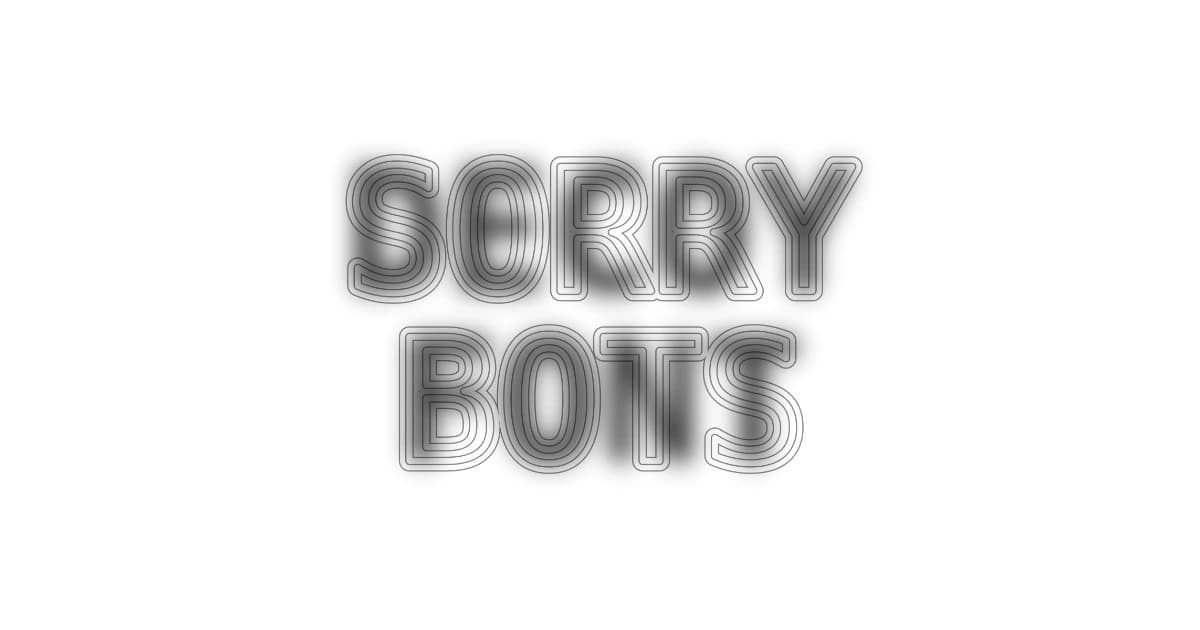
Typographic designer J.F. Rizzo has released Decoy Font, a typeface engineered to be readable by humans but deliberately illegible to artificial intelligence systems that scrape text from images. The font uses subtle distortions, inconsistent letterforms and broken strokes that confuse optical character recognition software while preserving enough visual cues for a person to read the words. The project has sparked debate on platforms like Hacker News, where the Decoy Font Comments thread highlights both excitement about privacy protection and skepticism about its long-term effectiveness against advancing AI.
The Design Behind the Decoy
Decoy Font achieves its anti-AI properties by modifying letter shapes at the outline level. Letters that normally share symmetrical features are given asymmetric curves, gaps are inserted into closed loops such as the counters of 'e' and 'a', and the stroke widths vary unpredictably within a single character. These alterations do not hinder a human reader who recognizes words from context and shape, but they create a nightmare for a machine that expects consistent geometric rules.
Broader Trend in Anti-AI Typography
Decoy Font joins a small but active field of projects aimed at preserving human-exclusive access to text. Similar efforts include adversarial watermarking of images and the use of font-based CAPTCHAs that ask users to read distorted characters. What sets Decoy Font apart is its emphasis on practicality: the font can be installed and used in any application that supports custom typefaces, without requiring server-side processing or JavaScript. The Decoy Font Comments section on Hacker News includes numerous reports from designers who have tested the font against popular OCR libraries and found that it blocks about 80 percent of automated reads.
Why This Matters
The rise of AI-driven data scraping has pushed content creators, publishers and artists to look for new ways to protect their work. Decoy Font offers a lightweight, client-side option that could be embedded in web pages, PDFs and digital art to discourage unauthorized text extraction. If widely adopted, the technique could force AI companies to invest in more sophisticated reading systems, escalating a technological arms race. For now, the font provides a tangible tool for anyone who wants to keep their text visible to humans but invisible to machines, a small but meaningful act of resistance in an era of pervasive automated surveillance.