Editor: Porcia Akua Holmes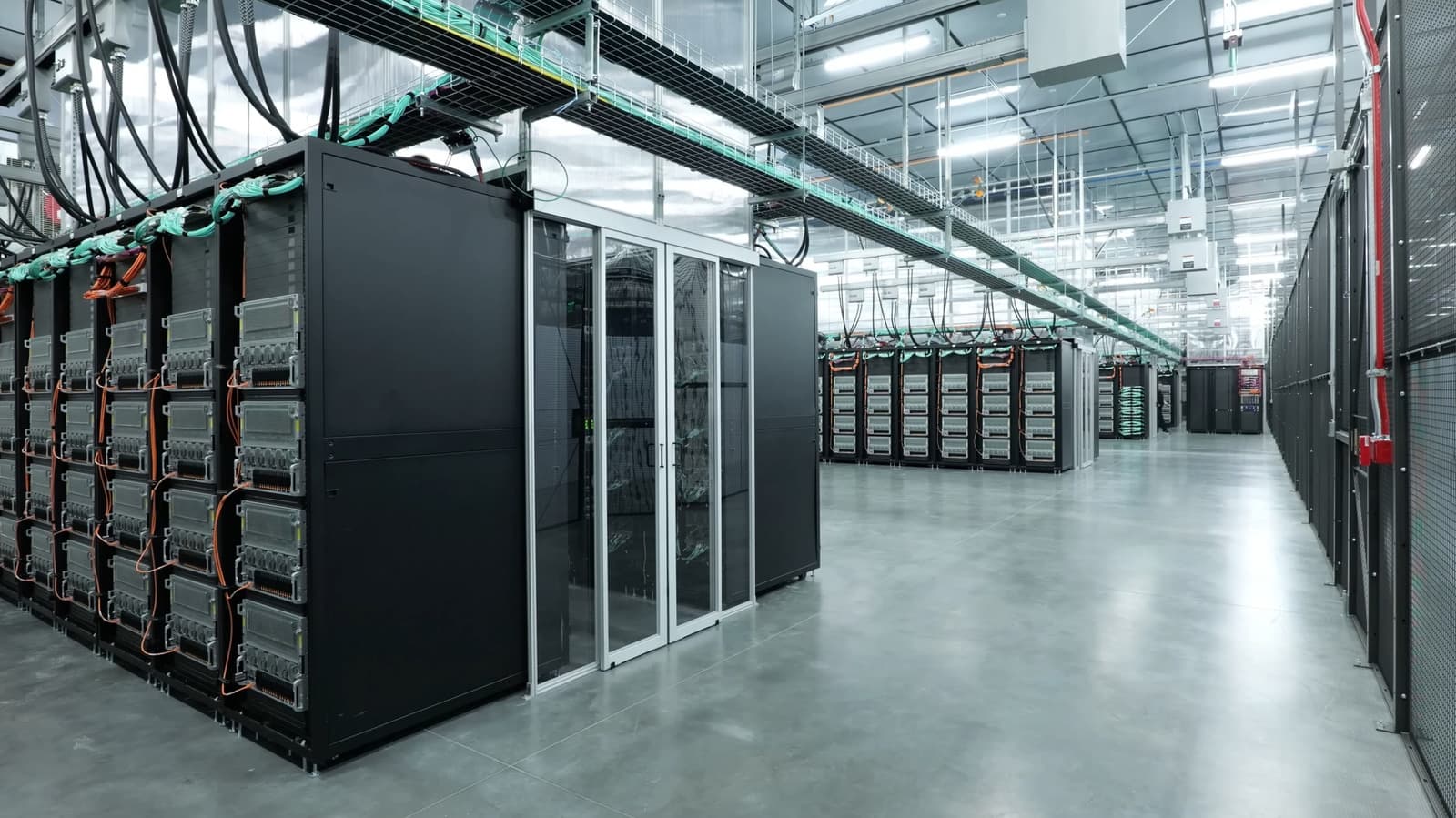
Every search query, video stream and cloud application runs on a data center, yet most people never see one. These facilities are the silent engines of the digital economy, and their importance is only accelerating as artificial intelligence drives demand for more processing power.
Beyond Electricity and Water: The Core Function
At its simplest, a data center is a large collection of servers, storage devices and networking equipment housed in a secure, climate-controlled facility. These machines process, store and transmit the data that enables everything from email and social media to machine learning workloads and financial transactions. The original article titled “What A Data Center Actually Does, Besides Use Electricity And Water” correctly highlights that these facilities are far more than energy hogs. They perform three essential tasks:
Without data centers, the instant access to information that users take for granted would collapse. They are the physical manifestation of the cloud.
The AI Boom and Data Center Demand
The rise of generative AI has fundamentally changed the data center landscape. Training large language models requires massive clusters of specialized processors running for weeks or months. Tech giants like Google, Microsoft and Amazon are racing to build new facilities to meet this demand. This expansion brings environmental trade-offs. A single large data center can consume as much electricity as a medium-sized town, and many rely on water for evaporative cooling. Companies, however, are investing in renewable energy and advanced cooling techniques to reduce their footprint.
Why This Matters
The data center industry now faces a critical choice between growth and sustainability. As AI workloads increase, the energy and water demands of these facilities will draw more regulatory attention, especially in drought-prone regions. For consumers, this means that the convenience of AI-powered services carries an environmental cost that providers must address. The decisions made today by major operators will set the standard for responsible infrastructure for decades. The question is not whether data centers will continue to expand, but whether they can do so without straining local resources and contributing to climate change.