Senior Editor: Alan Agbele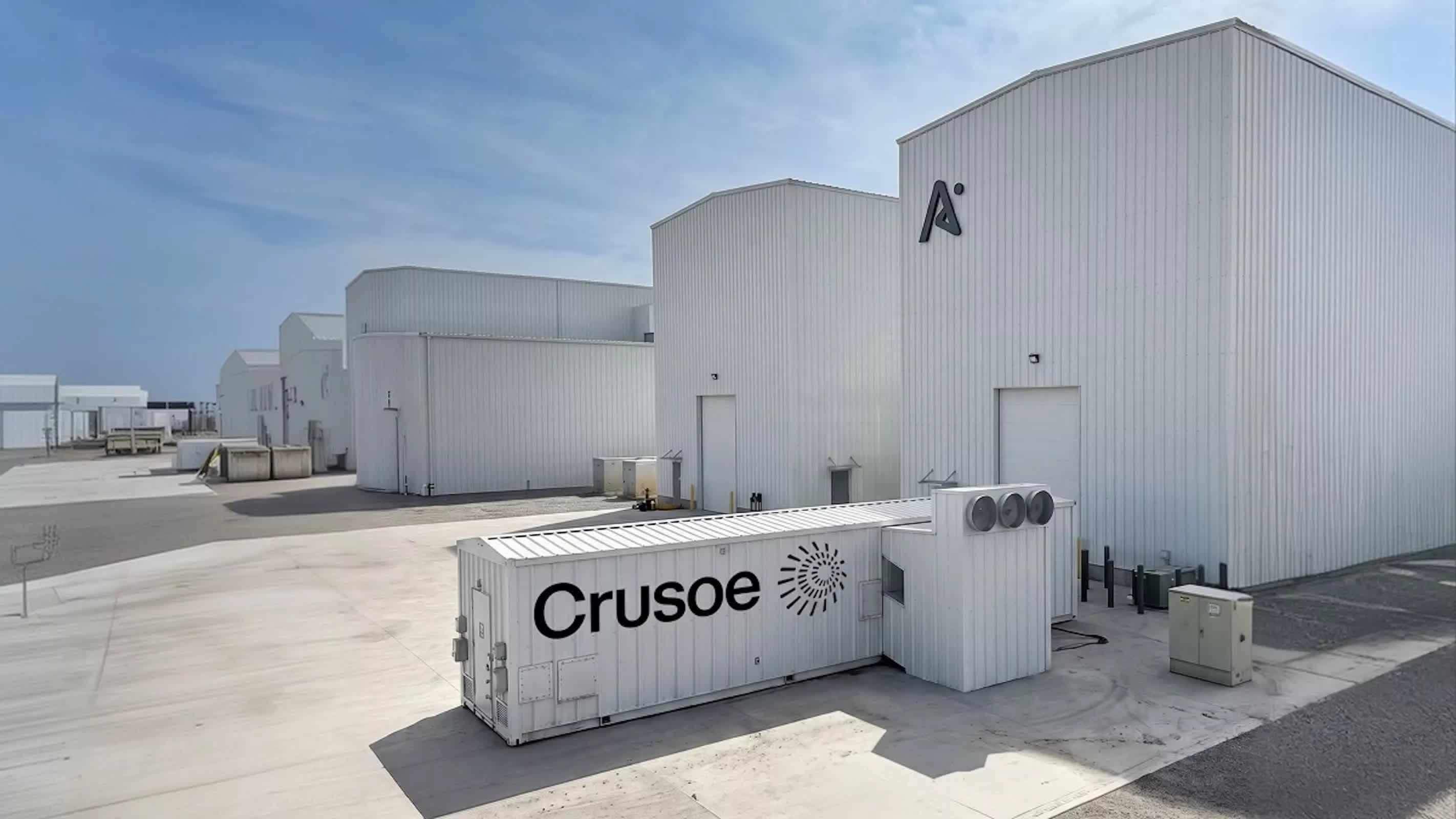
Crusoe, a startup pioneering modular data centers, has secured $30.9 billion in a funding round co-led by Atreides Management, Valor Equity Partners and Mubadala Investment. The investment signals growing appetite for flexible infrastructure to support the surging demands of AI computing. CEO Chase Lochmiller said the company's smaller, pre-fabricated facilities can be deployed faster and more efficiently than traditional mega data centers.
Modular Design Gains Traction
Crusoe's modular data centers are built as standardized, containerized units that can be assembled into clusters. This approach allows customers to add capacity incrementally rather than constructing massive facilities all at once. Lochmiller emphasized that the company's facilities are designed to run on low-carbon energy sources, addressing both cost and environmental concerns. The startup already operates several modular sites and plans to use the new capital to expand across the United States and into international markets.
Investors and Strategic Backing
The funding round drew a diverse group of investors, including sovereign wealth funds and prominent venture firms. Alongside co-leads Atreides Management, Valor Equity Partners and Mubadala Investment, the round included Founders Fund, TPG and the Qatar Investment Authority. The breadth of backing underscores a belief that modular data centers can solve the physical infrastructure bottleneck that limits AI progress.
Why This Matters
The AI industry has reached a point where software innovation outpaces hardware availability. Hyperscalers and startups alike compete for limited GPU clusters, driving up costs and slowing model training. Crusoe's modular approach offers a path to expand compute capacity without the multiyear lead times required for conventional data centers. If successful, it could reshape how the industry thinks about infrastructure: smaller, more agile and less dependent on massive capital projects. The involvement of sovereign wealth funds and top-tier venture capital suggests modular data centers are no longer an experiment but a strategic bet on how AI will be powered over the next decade.
What Comes Next for Crusoe
With $30.9 billion in fresh capital, Crusoe plans to scale production of its modular units and secure more sites for deployment. The company is also investing in software to optimize workload distribution across its network of facilities. Lochmiller stated that the goal is to make compute capacity as easy to provision as cloud services, but with the efficiency of specialized hardware. For AI developers and enterprise customers, that could mean faster access to the processing power needed to train and deploy advanced models.