Senior Editor: Alan Agbele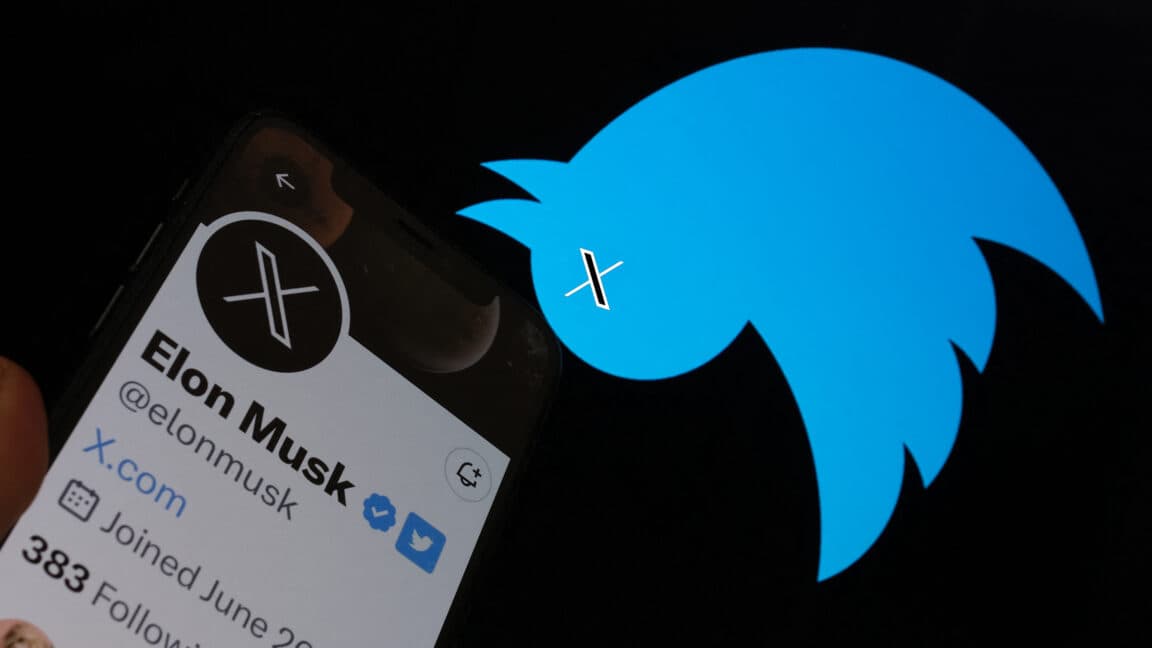
Elon Musk’s X has secured a preliminary court order blocking a startup named Operation Bluebird from launching a new app under the Twitter brand, signaling that the platform’s former name still carries enforceable trademark protection despite being retired in 2023.
The Legal Argument
Chief Judge Connolly ruled that Operation Bluebird was unlikely to prove X had entirely abandoned the Twitter trademark. The judge pointed to the App Store listing as a key piece of evidence: the first sentence of X’s description reads “Welcome to X (formerly known as Twitter).” That single clause, written in the same font size as the rest of the text, helped convince the court that X still relies on the legacy brand for commercial identification.
X argued that continued use of the Twitter name in that context satisfied the legal standard for trademark protection. Operation Bluebird had planned to launch a competing app under the Twitter name, arguing that Musk’s rebranding effectively surrendered the mark. The court disagreed.
What the Order Blocks and What It Allows
The distinction matters because trademark law protects brand names more strictly than general industry terms or visual icons associated with a platform. The court treated “tweet” as a common descriptor rather than a proprietary identifier.
Why This Matters
The ruling sets a precedent for how courts treat legacy brand names after high-profile corporate rebranding. X’s victory suggests that companies cannot simply abandon a trademark by changing their public name if they continue to reference the old brand in official materials like app store listings. For Operation Bluebird, the decision forces a pivot away from the Twitter name, which may reduce consumer confusion but also limits the startup’s ability to capitalize on nostalgia. Broader implications extend to any business that rebrands but still derives value from its former identity: trademark rights may remain enforceable as long as even a single commercial reference survives.
Industry observers will watch whether X seeks broader relief against the use of “tweet” and the bird logo in future litigation. For now, Musk’s company has secured a narrow but critical win that protects its claim to the word “Twitter” in the marketplace.