Senior Editor: Alan Agbele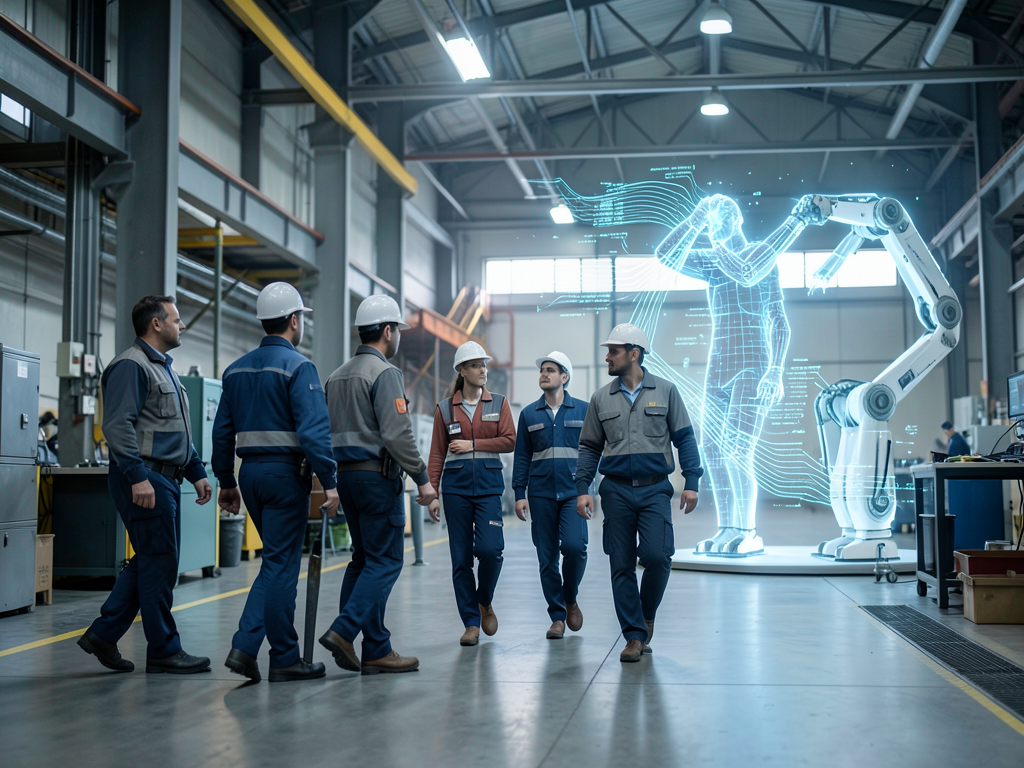
A growing number of employers are reversing earlier automation decisions by rehiring workers they had replaced with artificial intelligence. The shift suggests that current AI systems often lack the nuanced, undocumented knowledge that only experienced employees can provide.
The Knowledge Gap Problem
The core issue lies in what AI systems cannot learn from standard datasets. Experienced workers often carry decades of undocumented insights about troubleshooting, edge cases and subtle process adjustments. When companies rely solely on recorded data to train AI, they lose this critical layer of know-how.
At Ford, that gap became evident in quality control and issue prevention. The company's AI systems could not replicate the intuitive judgment of veteran engineers who had learned through years of hands-on problem solving. As a result, Ford moved to bring those engineers back, promoting them to roles where their expertise directly guides automated systems.
Other employers are following a similar path. The pattern suggests that many organizations underestimated the value of tacit knowledge when they rushed to replace human workers with AI.
Why This Matters
The rehiring trend carries significant implications for both the labor market and the AI industry. Workers in specialized roles may gain renewed leverage as companies realize automation cannot easily replace human judgment. For businesses, the cost of rapid AI deployment is becoming clearer: lost institutional memory and the expense of rehiring after failed experiments.
Investors and executives must now weigh the long-term risks of aggressive automation. The Ford case shows that AI tools work best when paired with human expertise, not as a wholesale replacement. This reality could slow the pace of AI adoption in industries that depend on deep, experience-based knowledge.
Industry Trends in Automation
The rehiring phenomenon reflects broader patterns in how companies deploy artificial intelligence. Several factors contribute to automation shortfalls:
These factors together explain why the promise of full automation remains elusive for many organizations. The rehiring of workers at Ford and other companies is not an isolated incident but a symptom of a wider reassessment.
As more employers confront these realities, the conversation around AI is shifting from replacement to augmentation. The goal is no longer to eliminate human workers but to use AI as a tool that amplifies their expertise.