Senior Editor: Alan Agbele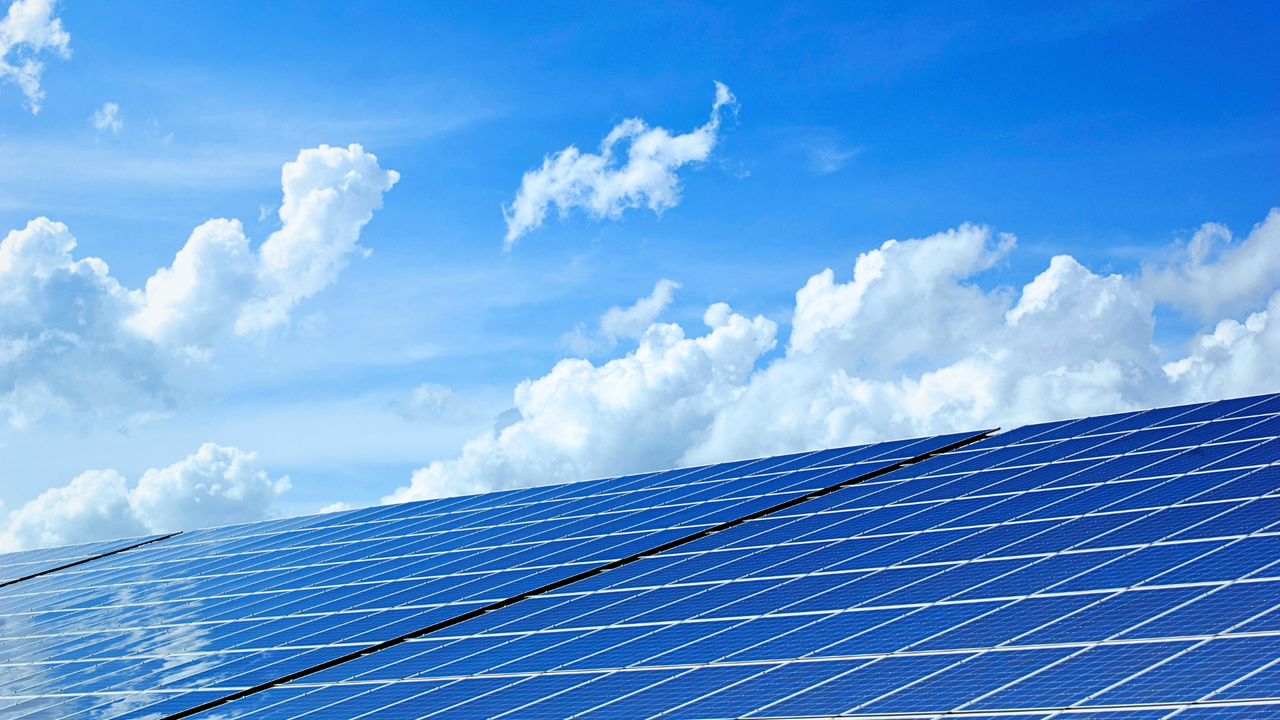
A startup backed by Y Combinator is developing autonomous drones that fly into clouds over solar farms to dissipate them, potentially increasing power output by up to 30% without building new infrastructure. Meteoric, founded by two University of Cambridge engineers, aims to reduce cloud reflectivity by mechanically altering water droplets, allowing more sunlight to reach solar panels. The company also has a long-term ambition to weaken severe storms and hurricanes.
How the Drone Technology Works
Meteoric's drones operate at altitudes of 1 to 5 kilometers inside low- and mid-level clouds. The autonomous aircraft physically alter water droplets to reduce the clouds' reflectivity, allowing more sunlight to pass through. The startup has tested a prototype in a cloud chamber, achieving a 13% dissipation rate. Techniques for artificial cloud clearing already exist, such as seeding with carbon dioxide or mechanical mixing via helicopters, but these methods are expensive and often rely on chemicals. Meteoric's approach, however, is chemical-free and significantly cheaper.
Cost and Scalability Advantages
Operating costs are a key differentiator. Meteoric claims its electric drones can fly for $30 to $60 per hour, compared to conventional aircraft that cost over $2,000 per hour. This cost efficiency makes the technology scalable for large solar deployments. According to the startup's CEO, Mete Karslioglu, a fleet of 10 to 100 drones could recover 10% to 30% of lost annual generation, worth $5,000 to $28,000 per megawatt across major U.S. grid regions.
Why This Matters
Solar energy's biggest drawback is intermittency caused by cloud cover and the day-night cycle. If Meteoric's drones prove effective, they could reshape the economics of solar power by increasing generation from existing assets without new land or panels. This would make solar farms more reliable and attractive for grid operators. The broader implication, however, touches on weather modification. The startup's ultimate goal to reduce storm intensity raises regulatory and scientific questions. Success would open a new frontier in climate intervention, but failure could set back public trust in solar augmentation technologies. The outcome will influence investment decisions in both renewable energy and geoengineering research.
Questions About Hurricane Mitigation
Meteoric's long-term vision of weakening hurricanes has drawn skepticism. "Our ultimate goal is to reduce the intensity of severe storms and hurricanes," Karslioglu wrote in the Y Combinator launch post. The World Meteorological Organization, however, states that the energy involved in weather systems is so vast that altering severe phenomena is currently impossible. "Weather modification technologies that claim to achieve such large-scale or dramatic effects do not have a sound scientific basis and should be treated with suspicion," the group said. This startup's dream of storm control, while aspirational, faces major scientific hurdles. For now, Meteoric's practical value lies in helping solar operators maximize output.
This is a unique approach to one of solar power's largest challenges. Meteoric’s drones offer a tangible short-term benefit with a distant, ambitious goal. For solar farm owners, the potential 30% output boost at low cost is worth watching, even if the hurricane dream remains far off.