Editor: Porcia Akua Holmes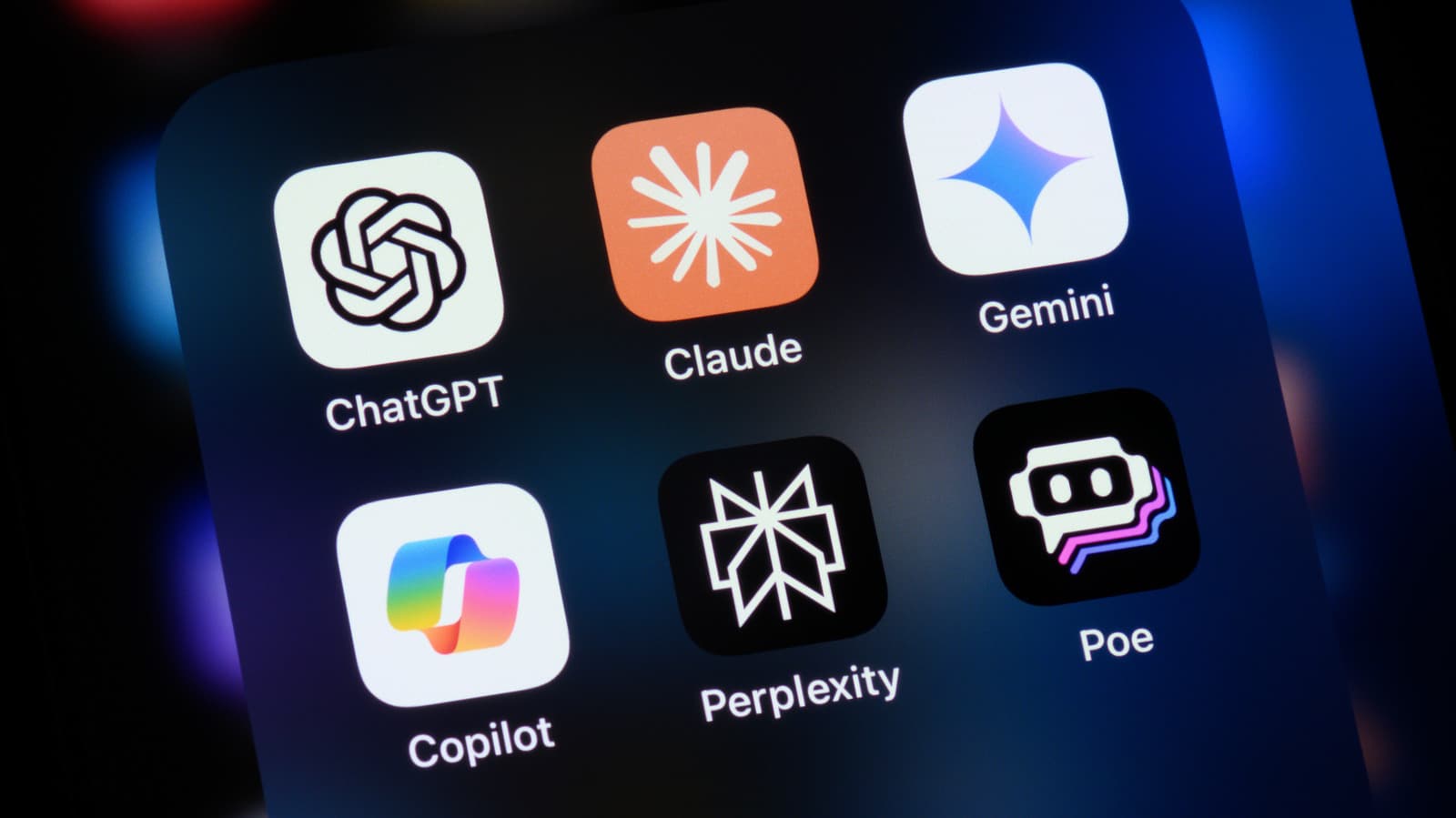
Anthropic's Claude AI assistant now integrates directly with Gmail, allowing users to delegate email composition and sending tasks to the assistant. The feature, however, comes with a safety mechanism designed to prevent unintended actions.
How the Approval System Works
Users of Claude can now grant the assistant access to their Gmail account through an integration. Once enabled, they can instruct Claude to draft emails, add recipients and send messages. The critical difference from fully autonomous systems is a built-in approval step: before any email is sent, Claude pauses and asks the user for confirmation.
Broader Implications for AI Assistants
The approval model represents a middle ground between full autonomy and manual control, a balance many AI developers are exploring. AI email assistants face inherent risks: a misunderstood instruction could lead to sending an inappropriate reply or sharing sensitive information. By forcing a human check, Claude reduces that risk while still offloading the composition work.
Other assistants, such as Google's Gemini and OpenAI's ChatGPT, have already entered the email productivity space. Claude's entry with a safety-first design may appeal to users who want to automate email tasks without giving up final control. The feature also signals Anthropic's focus on alignment and safety, a core theme in the company's product development.
Why This Matters
For professionals and heavy email users, the integration offers a real productivity gain. Drafting responses, summarizing threads and scheduling sends can consume hours each week. Claude can handle the heavy lifting of writing and formatting, but the approval step keeps the human in the loop for judgment calls. This hybrid approach may set a template for how AI assistants operate in sensitive domains like communication. If adoption grows, it could pressure competitors to match the safety feature, potentially raising the bar across the industry.