Editor: Porcia Akua Holmes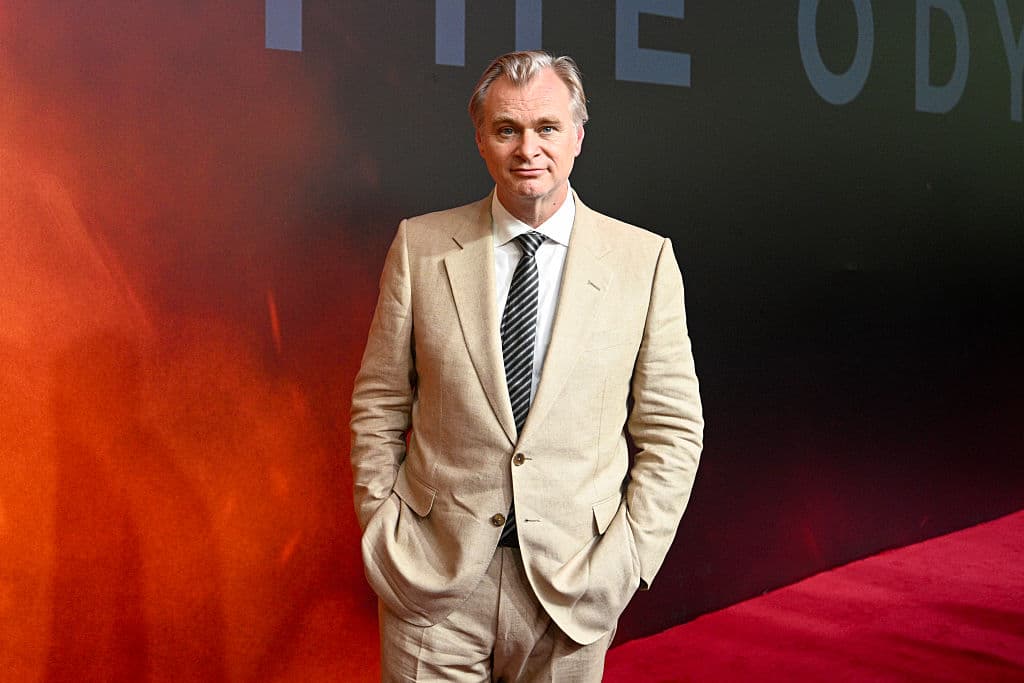
Director Christopher Nolan, whose upcoming film “Odyssey” continues his exploration of grand themes, has called artificial intelligence a “Trojan horse” for the film industry. In a recent interview, Nolan warned that the technology's surface benefits conceal deeper risks to creative control and intellectual property.
The Hidden Danger of AI
Nolan described AI as an “obvious Trojan horse” that offers convenience while masking fundamental threats to storytelling and craftsmanship. He argued that the film industry risks trading its soul for tools that produce passable imitations of human work. The director did not name specific AI tools but referenced the rapid adoption of generative systems across Hollywood.
The metaphor carries historical weight. In Homer’s epic, the Trojan horse appeared as a gift but concealed enemy soldiers. Nolan’s use of the image suggests that AI, welcomed as a productivity booster, may undermine the very practices that define filmmaking.
Why This Matters
For writers, actors and crew members, Nolan’s warning signals that AI adoption is not a distant threat but an immediate pressure point. Studios exploring automated script analysis, digital actors and visual effects generation could reduce demand for human talent. The outcome may reshape compensation models and creative ownership.
Regulators in the United States and Europe are drafting rules that could limit how AI is used in media production. Nolan’s stance may influence public perception and push policymakers to treat AI as a labor and copyright issue rather than a pure innovation question. The future of creative livelihoods hangs on how these rules are written.
Industry Context and Reactions
Nolan is not alone in his skepticism. Other directors have voiced concerns about AI’s role in replacing human intuition. The Writers Guild of America and SAG-AFTRA have already made AI protections a centerpiece of recent contract negotiations. The technology has become a flashpoint in labor disputes, with unions calling for strict boundaries on its use.
Proponents of AI argue that it can lower production costs and democratize filmmaking. Independent creators, they say, could benefit from tools that were once exclusive to big studios. Nolan, however, views this tradeoff as a dangerous bargain.
The Road Ahead for Hollywood
Nolan’s “Odyssey” is expected to further his reputation for thought-provoking cinema. His public stance on AI may energize a conversation that has moved from technical circles to mainstream culture. The film industry now faces a choice: embrace AI as a partner or treat it as a gatecrasher that requires strict rules of engagement.