Editor: Porcia Akua Holmes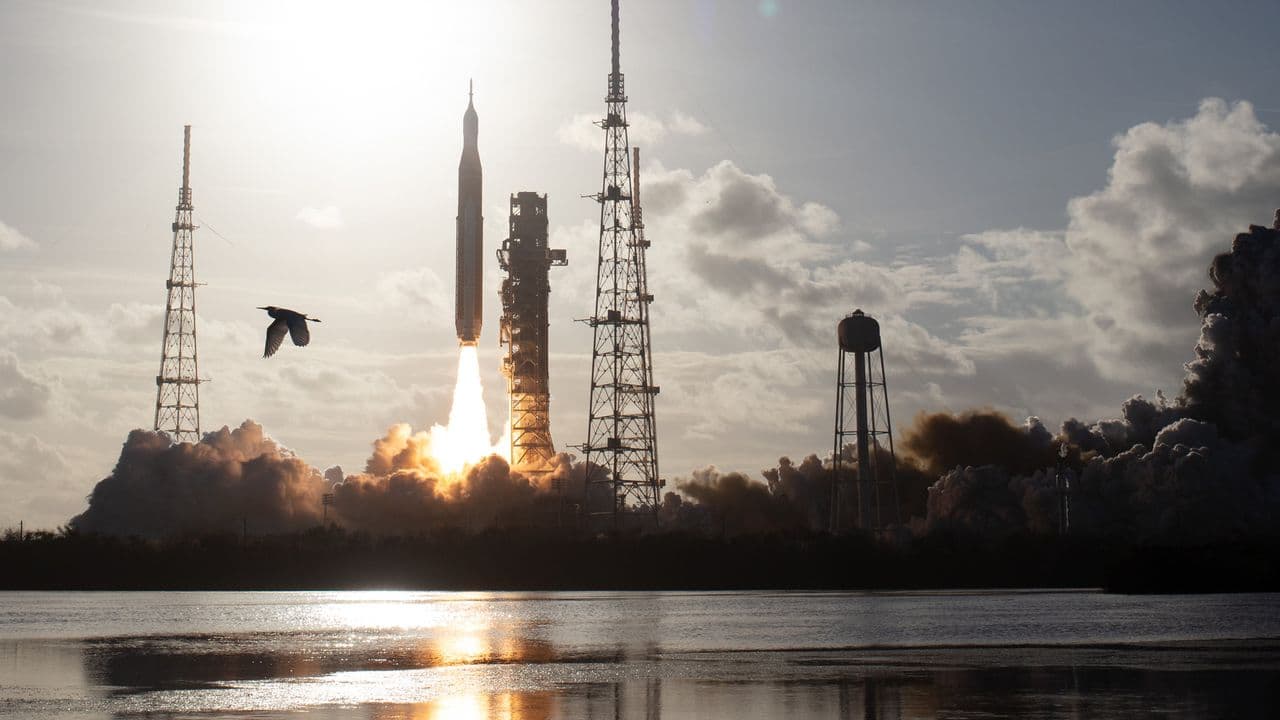
A Chinese aerospace startup is testing a rocket launch system that uses carbon dioxide, the same gas that carbonates soft drinks, as a propellant to make spaceflight cheaper and safer. Z-Trak Space is developing a cold launch method that ejects rockets using rapidly expanding supercritical CO2 before igniting engines at a safe altitude.
How Supercritical CO2 Changes Rocket Launches
Supercritical CO2 exists in a state where the gas remains above specific temperature and pressure thresholds simultaneously, giving it properties of both a liquid and a gas. This allows it to expand rapidly and eject a rocket from its launch tube before any engine ignition occurs. The rocket's engines only fire after the vehicle has cleared the launch platform, a sequence known as a cold launch.
Traditional hot launches ignite engines directly on the pad, subjecting the launch tower and surrounding infrastructure to exhaust temperatures exceeding 3,000°C. Those conditions require extensive protection systems and frequent repairs, which drive up costs and slow launch turnaround times. Z-Trak Space believes eliminating that heat exposure could fundamentally change how small liquid-fuel rockets are launched.
Industry Collaboration and Commercial Ambitions
The project brings together Hunan based Zhiyu Aerospace Technology and Chiyang Space Power Technology Company through a recent collaboration agreement. Z-Trak Space founder Zhang Zihan, who studied aerospace engineering at Hong Kong Polytechnic University, described the concept as potentially transformative for small liquid-fuel launch vehicles.
China's commercial space sector recorded 50 launches during the previous year, representing more than half of national missions completed overall. The country's rapidly expanding commercial space industry is actively exploring novel propulsion methods to increase launch frequency and reduce costs.
Why This Matters
If supercritical CO2 cold launch technology proves commercially viable, it could reshape the economics of small satellite launches. The approach directly addresses two of the biggest barriers to frequent space access: the high cost of launch infrastructure and the slow turnaround times between missions. For China's commercial space sector, which already accounts for more than half of the nation's orbital launches, a cheaper and faster launch method could accelerate deployment of satellite constellations and expand access to space for smaller companies. The environmental benefits of a non-toxic, clean propellant also align with growing regulatory pressure to reduce the carbon footprint of space activities.
What You Need to Know
The technology is still in development and commercial viability remains unproven. However, the proposal reflects the experimental culture driving China's rapidly expanding commercial space industry. If successful, supercritical CO2 cold launch could offer a cheaper, safer and cleaner alternative to traditional rocket launches, particularly for small satellite missions requiring rapid deployment.