Senior Editor: Alan Agbele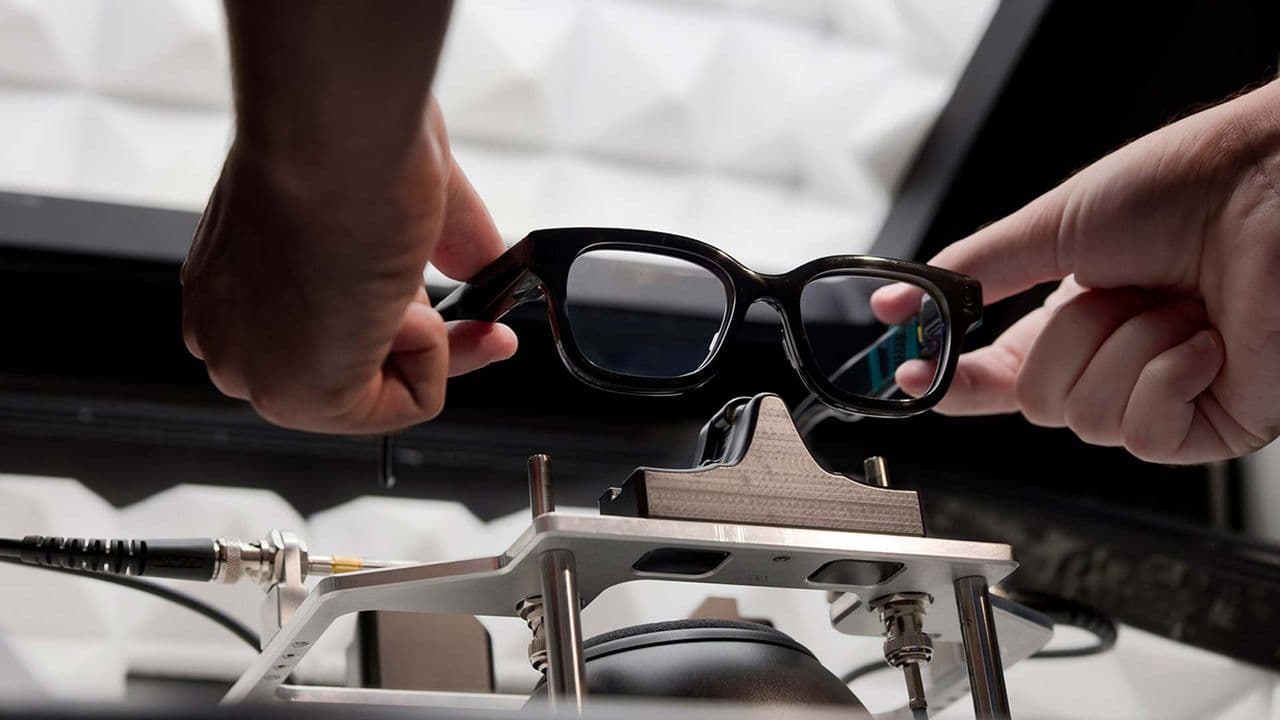
Budget Meta Ray-Ban alternatives are selling out at discount retailers, but the surge in cheap camera glasses brings serious privacy and security concerns for buyers. Australian chain Kmart recently sold all of its AU$89 Anko smart glasses after the product went viral, and similar affordable camera specs are widely available on platforms like Amazon in the US and UK. The demand reflects a growing appetite for wearable cameras, yet many of these budget options lack the safeguards found on premium models from established brands.
The Rush for Budget Smart Glasses
Kmart's Anko glasses sold out within days after social media posts highlighted their low price and resemblance to Meta Ray-Ban designs. The product is part of a broader wave of affordable camera glasses hitting stores and online marketplaces. These devices typically cut costs by using lower-resolution cameras, plastic frames and minimal software features. They do not carry the brand partnerships or design polish of the premium models that inspired them.
Online forums have reacted skeptically to the trend. Discussions on Reddit and other platforms focus less on the glasses themselves and more on the potential for misuse. Many commenters express unease about a future where cheap camera glasses become commonplace, making covert recording far easier than it already is.
Privacy Risks Multiply
The most immediate concern is that budget camera glasses enable more people to record others without consent. Premium smart glasses from Meta include a visible LED light that activates when recording, a feature designed to protect bystanders. Cheap alternatives, however, may not include such safeguards or may use lights that are easy to disable with tape or simple modifications. Some users have already found ways to bypass recording indicators on Meta specs, though the company has issued patches to close those loopholes.
Data Security and Unknown Brands
Beyond public privacy, buyers of cheap smart glasses face their own data risks. Even Meta faced scrutiny after reports that contractors could view videos captured by Ray-Ban Meta glasses when the footage involved AI processing. If a well-resourced company like Meta had lapses, smaller brands with far less accountability pose even greater unknowns. These companies can dissolve and reappear under new names, making it difficult to hold them responsible for data breaches or unauthorized sharing of recordings.
The apps that pair with cheap camera glasses are another weak point. They may collect location data, contact lists or camera feeds without transparent disclosure. Security researchers have found vulnerabilities in budget smart glasses that could allow third parties to access live video streams or stored files.
Why This Matters
The rapid sell-out of budget smart glasses signals a shift in consumer appetite for wearable cameras, but the market is outpacing regulatory and safety frameworks. Without strong privacy protections, a surge in cheap recording devices could normalize covert surveillance in daily life. For individuals, the choice to buy these glasses means accepting potential data exposure and contributing to an environment where consent around recording becomes harder to enforce. For the industry, the challenge is to build trust before the technology spreads further.