Senior Editor: Alan Agbele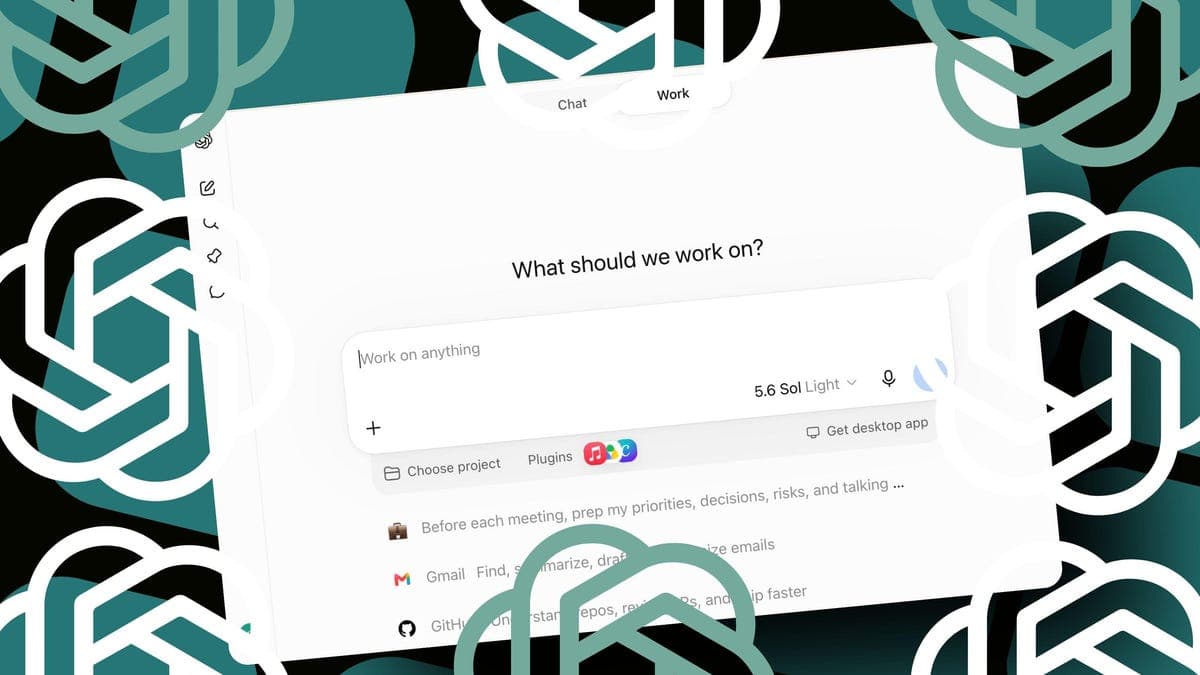
Small business owners are adopting agentic AI tools like ChatGPT Work to automate administrative tasks, with early users reporting measurable gains in productivity and cost reduction. The tool's ability to scan email inboxes, flag unfavorable loan terms and manage scheduling has turned it into a practical daily assistant for solo operators and small teams.
Real World Applications
Early adopters have integrated ChatGPT Work into several core business workflows. Instead of manually scanning inboxes for client requests or unpaid invoices, users instruct the AI to flag specific senders and summarize action items. The tool also reviews contracts for problematic language, such as hidden fees or auto renewal clauses, before owners sign.
Why This Matters
For small businesses operating with lean teams or solo founders, time spent on administrative overhead directly eats into revenue. ChatGPT Work shifts the cost structure by handling many repetitive tasks that previously required manual attention or hiring part time help. This trend points to broader market shifts where AI tools move from novelty status to core operational infrastructure for small and medium enterprises.
Industry analysts note that agentic AI capable of executing multi step workflows represents a leap beyond simple chatbot Q&A. As more small businesses adopt tools like ChatGPT Work, they reduce dependency on traditional office software suites and outsourced administrative services. The implication is a restructuring of how sole proprietors and micro businesses allocate their daily labor, shifting from reactive clerical work to strategic decision making.
Adoption Barriers and Considerations
Despite the promise, reliance on ChatGPT Work raises privacy concerns. Users grant the AI access to email accounts and documents, which may contain sensitive client data. OpenAI has stated that enterprise accounts include data privacy protections, but small business owners must weigh convenience against potential exposure. Technical literacy also remains a hurdle, as setting up effective workflows requires clear instruction writing and periodic review of the AI's outputs to avoid errors.